Vintage View: Restoring antique furniture
MY grandmother was a wonderful woman for all but one thing — her menace with a rag and a bottle of French polish.

Vintage View: Restoring antique furniture

Every shivering old timber object she laid hands on was entombed in a diamond-hard, bright-orange, Gallic glare.

Worryingly, she had a good eye for a good thing. Flame mahogany having survived proudly from the time of William IV, ignited into terrifying new life. Eighteenth century rustic oak flashed into mirror sharp sterility, robbed of its shy country charm. Nana just wouldn’t be told, that swooping away with a rag and the blasted russet bottle of goop was not a higher calling.

Restoring any truly old piece of wood furniture brings up a lot of questions — or at least it should. First of all, why are you doing it at all? Is it its imperfection that rankle? The slings and arrows of time written in the original patina and finish are what make most collectors of early furniture purr and flip on their backs. If it’s waxed, that’s perhaps two centuries of work by generations of urgent parlour maids.

It’s almost impossible, (there are trade geniuses I’ll allow), to recreate the three dimensional, butter-soft beauty of an old piece of domestic wood. Dust, oils from the drift of hands, two dozen jars of beeswax — I’m getting faint. Add the odd ink blob and few rat nibbles, and you have a full blown period romance. Often, elderly furniture is just in want of a gentle clean.

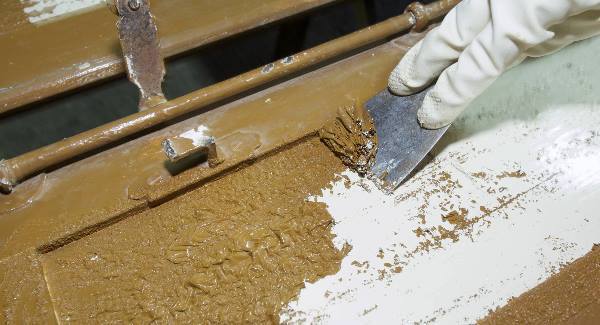
Still, what if it’s a beautiful piece of Georgian trapped under a layer of modern urethane polish? Shellac — it sounds like an aristocratic dinner guest, but it’s a ragged squatter awkward to get out the door. Even Victorian soft finishes are a hair-stirring nightmare to peel off the plank or veneer. Daubed with stripper, shellac quickly dissolves into a sticky ocean that clogs grain, teeth — gums your eyes shut — it’s a lot of work.

Most of us don’t take the trouble to investigate what we are attacking before applying that half litre of Nitromors or a touch of the belt sander — we just go in, all chemicals blazing.

Here are a few tips not gleaned from the shed dwelling tribe of screw chewing ‘experts’ barking advice on the DIY Internet forums giving antique furniture a modern thrashing.

* If it’s your first time out of the trap, only attempt to restore something you know you can afford to lose. Choose something with areas to clean and/or lightly restore, such as drawer fronts. Work outdoors if possible.

* Try cleaning your antique wood furniture with a gentle application of beeswax (solvent free) paste polish to lift grime and restore a natural glow. Use two lint free soft cloths to put on and polish off. Apply sparingly.

* A very mild non-detergent oily soap like Murphy’s Oil Soap, in solution can remove real filth off sealed wood. Use a well wrung out cloth and don’t overwet the piece. Waxed and shellac treated furniture can be re-waxed after cleaning.

* If you’re determined to strip off an old wax finish, investigate mild soft finish strippers such as Colron Wax Remover (€15 for 500ml). Stick to the manufacturer’s advice meticulously.

* Only lightly dust gilded areas of any furniture. Remove knobs and cover knob holes and keyholes to prevent ingress of any chemicals you might be using on the wood faces.

* Veneer can be stripped with care, but is highly vulnerable to wetting.

* Never let a stripping fluid dry out. Cover it in plastic to keep moist if necessary until you’re satisfied it’s time. Remove the finish when it lifts down to bare wood with the push of gloved finger.

* Be wary of steel wool, even the finest can become embedded in lifted grain and lodge in fine detail. Always use it with the direction of the grain. Don’t circle. An expired credit card makes a soft, safe scraper for taking off stripper.

* The finer the wire wool and/or sandpaper, the longer it will take you to make a horrible mistake — but with a rough hand, it won’t take long.

* Generally, pre-1920s furniture (that hasn’t been interfered with) carries a wax, or shellac finish. Craftsmen choose shellac over varnish as it’s non-yellowing and dings and scratches can be repaired by melting areas of new shellac into old.

* Place a valuable or beloved antique or vintage thing in the hands of an experienced, reputable, professional restorer with a deep understanding of antiques. Explain your expectations of the finishto avoid disappointment or an overbright ‘Nana’ result.

More in this section

Revoiced

Newsletter

Sign up to the best reads of the week from irishexaminer.com selected just for you.

Cookie Policy Privacy Policy Brand Safety FAQ Help Contact Us Terms and Conditions

© Examiner Echo Group Limited