Make the most of basil as season is very short
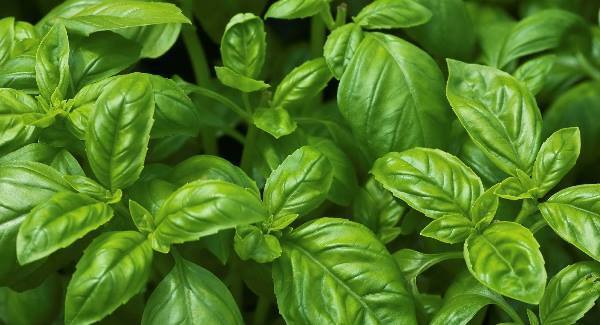
Irish grown basil is only in season for a short time, so one really has to make the most of it. Best grown in a polytunnel, glasshouse or a sunny window, basil can be harvested regularly, from mid-June to October. The classic cultivar ‘Sweet Genovese’ basil (Ocimum basilicum) is consistently reliable in its bountiful yields, but beware, basil does not like to grow outdoors and it detests sitting in wet soil. Do not kill your basil with kindness by overwatering which incidentally appears to be the biggest mistake people make when trying to grow this aromatic tasty herb.
Basil can be harvested once the plants have approximately three to five sets of leaves. To harvest, pinch the top off just above the second set of leaves from the ground. The single stalk will now end here, and two new branches will now bud and grow from the set of leaves you left behind. Every couple of weeks repeat the process, cutting just above the first or second set of leaves on your newest branches. When you’re harvesting, it’s important to make your pinch directly above a set of leaves to ensure signals are sent to the tiny leaves that it is time for them to start sprouting. The more you harvest basil the more your plants will produce. Once harvested, use fresh or put the bunch of cut leaves in a vase or jar of water, pinching off leaves to use as needed.
Basil is an excellent source of vitamin K and a very good source of iron, calcium and vitamin A. It is a good source of dietary fibre, manganese, magnesium, vitamin C, potassium and contains a high percentage of beneficial volatile oils. In herbal medicine, basil is prized for its anti-inflammatory properties, making it an ideal treatment for people with arthritis. Since the oils in basil are highly volatile, it is best to add the herb near the end when cooking, so it will retain its maximum essence, flavour and health benefits. It is also good when served as a warm cup of invigorating basil tea, which is easily brewed by infusing chopped basil leaves in boiling water for 5 – 10 minutes.
In my opinion, dried basil should be banned as it lacks flavour and texture and provides absolutely no substitute for any recipe or mode in which I like to use this herb. Basil is best used fresh, and if your bounty is too big there are loads of great ways to preserve the harvest and its delicious taste of summer.
Basil Cubes: Chop up the leaves into small pieces and place in a plastic ice cube tray. Cover leaves with water and freeze. When frozen, store the basil ice cubes in a heavy plastic freezer bag. Drop a frozen cube, directly into any simmering sauce or soup. Do not try to use frozen basil for garnish as it becomes soggy and slimy as it thaws.
Jamie Oliver’s Basil Oil Recipe: All you need is a large bunch of fresh basil with leaves picked, stalks finely chopped, sea salt and 200ml extra virgin olive oil. To make the basil oil, place the leaves and chopped stalks in a mortar. Add a pinch of salt and use a pestle to bash the basil leaves until they have broken down into a dark green paste. Transfer the paste to a jug and add your extra virgin olive oil.
Mix together well. This oil is delicious over salads, tomatoes, added to pasta or served with absolutely everything.
Basil Vinegar: Splurge on a good white wine vinegar. Fill a jar with basil leaves. Cover the basil with warmed vinegar. Gently shake or press the air bubbles out of the basil and vinegar. Cover and let the vinegar steep for a week. Taste the vinegar, if you would like a more pronounced basil flavour, let it steep for another week. Using a kitchen strainer colander, strain the basil vinegar.
Remove and discard the basil leaves. Strain vinegar again through a paper coffee filter or muslin. Label the bottle. It’s ok to add a little water if the vinegar is too strong for your taste.
Basil Butter: Combine about 1 cup finely chopped fresh basil with 1/2 cup softened butter or cream cheese in blender or food processor. Whirl until blended, cover and refrigerate up to 2 weeks or freeze up to 1 month.
Basil Pesto: Ingredients:2 cups packed fresh basil leaves, (2-3 bunches) 1/4 cup chopped walnuts, toasted (see below) 1/4 cup grated Parmigiano-Reggiano cheese Extra-virgin olive oil (lots works well for me but adapt to desired consistency) 1 large clove garlic, quartered Salt to taste Freshly ground pepper to taste
Method: Place basil, walnuts, Parmigiano-Reggiano, oil, water, garlic, salt and pepper in a food processor; pulse a few times, then process until fairly smooth, or to the desired consistency, scraping down the sides occasionally.
To toast walnuts: Spread on a baking sheet and bake at about 190 degrees Celsius, stirring occasionally, until fragrant and lightly browned, 7 to 9 minutes.


CONNECT WITH US TODAY



Be the first to know the latest news and updates