Print in home interiors: Irish designer leads the way
Well, textile designer Jennifer Slattery was reproducing photographic images of cutlery and china on tablecloths, runners and napkins, with a blend of modern technology, nostalgia, and flair for the novelty factor, long before others embraced the concept of images on textiles.
Now, this is becoming mainstream, especially graphic and naive-style prints, text, hand drawings, as well as reproductions of photographic images. These are being applied to wallpaper, textiles, especially cushions and bed linen, and as a form of pattern on solid products like kitchen and table wares.

It’s eye-catching, which is part of its attraction, and adds to our current love of pattern that has focused this past two years on florals, stripes, dots, leafy prints and geometrics. Pattern of any sort will bring new life to a neutral or simple décor.
Keep it simple and start with accessories. Let’s face it, they’re easy to introduce and, if you decide you don’t like the look, or tire of it quickly, then you haven’t spent a fortune or need to re-do an entire room at even more expense.
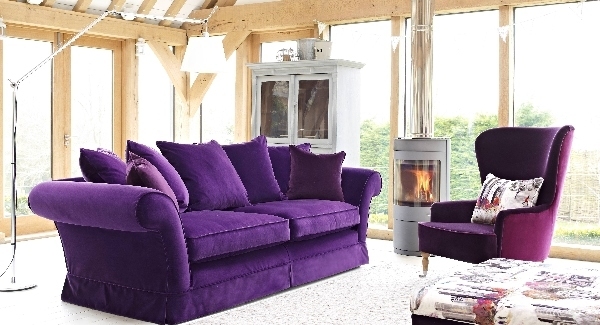
Use your pattern against plain upholstery and, to be up to date, set it against those on-trend dramatic colours like indigo, purple or rich, deep red.
For a bigger commitment start with the one patterned thing you feel you must have, be it wallpaper, a rug or a piece of furniture, but resist getting carried away with more of the same pattern in cushions and drapery. It will dazzle you over time and not in a good way.
Ideally, you need a plain floor to off-set a large concentration of pattern and, admittedly, the greater the contrast, the more dramatic the impact.
However, do consider the two golden rules of applying pattern: If you are using several examples of the same type, use varying sizes of it so you’re not overwhelmed, and if you’re mixing different patterns, confine them to small surfaces using the same colour or family of colours.
After that, make sure the highlight tone in your pattern (that’s the main one that jumps out at you) ties in with the colour of other surfaces in the room, mainly the walls.
Also consider how far you want to take your pattern. Putting wallpaper with a dramatically busy print will dictate that the rest of your scheme should be left plain and simple, but you could throw in one or two patterned accessories — but no more — to keep everything tied together.
A trick to maintaining continuity and to keep everything easy on the eye is to make sure the pattern on the accessories echoes the shapes of the pattern in the wallpaper, and again, keep the colourways simple.
* Next week we’re doing up student digs.