Vintage View: Peace and quiet and a view
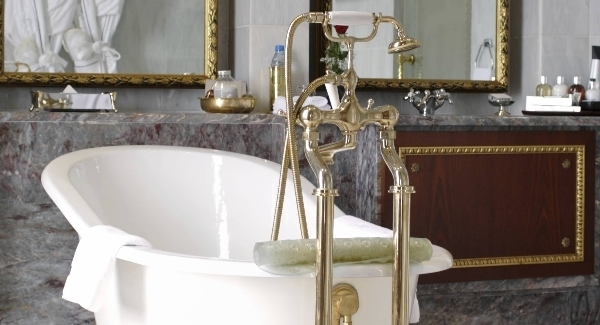
Their sculptural beauty and quality allow them to sit in state in the centre of a room or linger politely to the side. Yes, poking about beneath the old divil at mop-time is a dose, but the classic-legged bath is still reproduced by every major white ware design house as a perennial favourite for a deep, embracing plunge.
The Victorians made bathing popular following centuries where an annual June bath only preceded an important occasion. For a wedding in the 1700s, one might be expected to have no more than the slap of an old oilskin around the nethers. It was only by the end of the First Word War, that permanent baths with fixed plumbing began to appear in standard homes. Even then, the man of the house would bathe first, followed by a parade of family members down to the smallest baby dipped in the oily familial soup.
The rolled-top edge was a comfort feature, making it easier to get in and out, and to rest the head once immersed. A full cast-iron bath is enormously heavy, so if you’re considering an authentic iron model, have a structural engineer check that second-storey joists are up to a full bath, plus water and you. Sizes, widths, and depths vary, so if in doubt compare the measurements with a standard tub or just get in.
Bigger is not necessarily better, as it will be more expensive to fill a monstrous bath with metered water. Bracing limbs in a Mission Impossible grip while reaching for the soap is not a relaxing moment for anyone. The load of every bath is calculated in the setting of its feet and they should be original. If you are not prepared to panel and support a bath in some other way, trot smartly away from any lame bath. Feet can be re-nickled or blasted and painted.
Look for signs that the bath is water tight and as free of rust as possible. Few escape years of use and possibly abandonment to the great outdoors unscathed. Does the bath have its original trap? Getting taps and sizing plugs is not as problematic as matching up old drain holes. If a bath has enjoyed a few decades as a cow trough, it may well have been plugged with cement, and freeing it up again might be tricky.
There may be no tap holes at all in an old bath and double-ended. French ‘bateau’ baths are great for a dunk with a friend. All you need are standpipes to take the taps on one side of the bath or just mount them on the wall. You will need some sort of overflow facility in the floor if there is none in the bath to comply with modern standards. Integral taps can be replaced, though from a dealer’s point of view, original is best.
Think about including a shower in the tap arrangement for your old bath. The classic cradle style can be found old and new, but you might soon tire of that viperous hose snaking around the taps if you are used to a conventional shower with all its thermostatic bells and whistles. Vast copper shower canopies complete with their own cubicles were a Victorian celebration of plumbing. Some elaborate systems can still spray water onto every inch of your body from above and the sides and an impressive architectural beast can command thousands.
An overhead rain style head is a good compromise matched to a circular shower curtain. It is possible with shot blasting and re-enamelling to recondition an old bath. Enamel can be baked on or a urethane finish can be applied by spraying or rolling. A once-off visit from a restorer may be all that’s needed but if you want utter silken, white perfection, be prepared to shell out a few hundred euros and the cost of transporting the bath. For a mild aesthetic update, think about painting the underside in a deep, subtle colour. Aim a slipper bath, higher at the head than the feet, to a view you can see in repose — sheer heaven, physically and spiritually.
CONNECT WITH US TODAY



Be the first to know the latest news and updates