The arcane art of chitting spuds
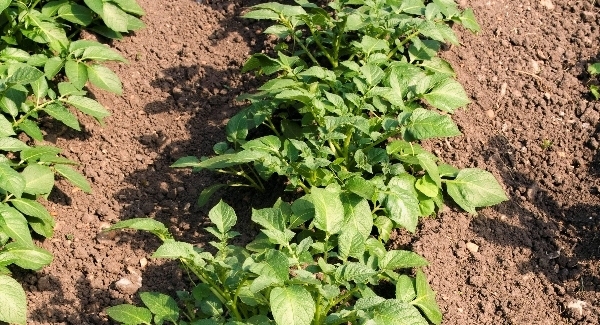
Planting, earthing-up and harvesting is also simple spud speak. But how about chitting?
Well, one of the first jobs of the vegetable growing season is to chit early potatoes. Chitting simply means encouraging or forcing seed potatoes (tubers) to sprout before planting.
It involves putting your seed potatoes somewhere light, cool, but frost-free for several weeks while they form short, sturdy shoots. Be warned that those long, spindly white shoots that spuds put out when abandoned in the back of a dark cupboard, does not constitute chitting.
Firstly, you may ask, why on earth would one bother doing this?
Well chitting basically gets potato plants growing earlier, which in turn encourages them to produce earlier, for home growers to harvest earlier and potato lovers to gorge earlier.
After a long winter on stored main crop potatoes, the first early spuds of the season are eagerly anticipated with their thin skins and deliciously waxy texture. Earlier cropping has the added bonus of getting your first earlies in and out of the ground before the dreaded potato blight becomes a potential problem.
Combined with early planting and protected cropping, such as in a polytunnel, glasshouse or cloche, chitting seed potatoes may result in potato harvests nearly six weeks earlier than usual. There generally is no great advantage to chitting main crop potatoes.
Most good garden centres sell certified seed potatoes. Start chitting from late January or early February. St Patrick's Day is the traditional day for planting first early potatoes in Ireland and it is generally advised to start about six weeks before you intend to plant. Since early spuds come in to shops well in advance, chitting can just be a useful way of keeping them in good condition until the soil warms up.
You will notice that each seed tuber has a more rounded, blunt end known as the ‘rose’ end, containing a number of ‘eyes’. It is from these ‘eyes’ that shoots develop.
Stand the tubers upright with the ‘rose’ end facing up. If you have a greenhouse or a sunny porch or window, this is an ideal location.
Light is very important so don’t shove your chitting spuds off to the back of a dark cold shed. If you only have a few tubers, line them up in old egg cartons but if you are sprouting lots, place them in shallow, open, slatted-bottomed boxes and use folded newspaper or cardboard to create sections and slots to keep the tubers upright.
Be sure to cover with a fleece if heavy frost is forecast.
Desired shoots will be strong, short and greenish-purple in colour. They should be about ¾ inch to 1inch long; to increase the size of your potatoes, rub off all but three or four shoots at the top of the tuber before planting out to encourage large spuds to be harvested early.
If you leave all the shoots intact, there is too much competition and you will end up with lots of small potatoes. Plant seed potatoes in the ground with the sprouts facing up and be careful not to break the sprouts off while handling.
Your spuds will grow, chitted or not.
Why not sprout some of your first early spuds, leave the others to fend for themselves and compare the difference in yields?


CONNECT WITH US TODAY



Be the first to know the latest news and updates