Shop, save, cook, eat, smile
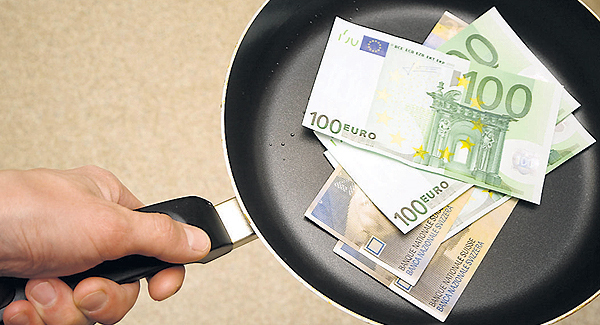
ONCE-a-month batch cooking, determined list-making and perking up the left-overs — our parents could teach us a thing or two about feasting in a recession. Try these easy ideas for delicious, healthy and convenient money-saving.
Dumping a pre-prepared ready meal out of a box may count as feeding yourself, but it’s not cooking. Preparing from scratch, with dry and fresh primary ingredients, not only saves money by buying a quality food, but also allows you to control how your family eats. A well-stocked store cupboard is your first point of business, and can be found in the opening pages of any good, general cook book. You couldn’t do better than Darina Allen’s Ballymaloe Cookery Course, featuring over 1,175 recipes, and including old time skills such as preserving. Kyle Cathie. €40.49. www.booksunlimited.ie.
Always bring a list with you when you shop. Check what you need before leaving home, consider your recipe ingredients and stick to it. The guiles of current marketing will be calling softly in your ear as you drift through the aisles. If you can’t resist impulse buying or taking a chance on near-date produce on the edge of moulder, what about shopping online with a cool head and a full stomach? Two for one deals are worth consideration, but only if you intended to buy the item already and any foodstuffs are not likely to spoil before consumption or freezing.
When you reach for, say a can of tomatoes, look down. There will be a cheap brand with little or no illustration on the can for up to 1/3 of the price.
The product will always be harder to reach than the more profitable can deliberately staged in the centre part of the shelving. If you find the quality unacceptable, then don’t purchase the cheaper one again, but it’s worth a try for everyday goods from washing up liquid to canned soup.
Freezing is something of a lost art. The Once a Month Cooking movement (OAMC) made popular in the US, is now spreading worldwide. OAMC demands that you set aside up to eight hours to cook food in batches and then freeze it ready to defrost and use as needed. Not only does this approach save you on expensive, convenience impulse buys, and ‘crisis cooking’, it tightens up your dietary habits too. To truly reap the benefits, plan your recipes for your batch cooking around what is in season. If your oven is full of dishes on the go, you’re saving money long term. Go to www.onceamonthcooking.com for inspiration.
We all know that slow cookers deliver the goods with the power of a light bulb but there’s more. Steamers, halogen and microwave ovens run on a fraction of the power of a conventional over. Slow cookers allow you to transform cheaper cuts of meat to mouth watering meals. A classic 3.5l Crock Pot is priced at €45 in Argos.
There are so many soups, salads and casseroles to be conjured with left-overs that it really is a crime to pitch day old cooked food if you can upcycle it. Meat loaf, stew and even pizza develop a character overnight in the fridge making them worthy of a dedicated leftovers night for the family at least once a week.
Invest in a good Tupperware or equivalent sealed boxes, many of which can be used in a microwave to take last night’s dinner to lunch to work the next day. Try www.allrecipes.co.uk for 134 leftover recipes.
Water charges are on the way. Stop running the tap to rinse vegetables and fruit. Clean them in a bowl instead. Use your dishwasher rather than hand washing dishes. Don’t open the oven door during cooking. Keep the glass clean and glance in instead. The fridge has to kick start its cooling technology every time you open the door, so get in and get out as quickly as possible and turn it off when you’re doing a clear out. Match your pan size to the ring size on your stove top. Put the lid on your pots to boil, and cut vegetables that will be mashed into smaller pieces to speed cooking. Turn off the oven 20 minutes before the end of a long roast. The cavity will retain enough heat to finish the job.
We tend to treat a fridge like an alchemist’s treasure store for perpetually fresh food, but it’s not simply a horrifying smell that should alert you to food being unsafe in there.
¦ Bacteria can tolerate extreme cold, and e.coli, listeria and salmonella can and do live and grow in many unkempt fridges. The potential for cross-contamination of food in a crammed cold food store is extremely high.
¦ Your fridge should be chilling to 4-5C to be completely safe and as an economical appliance you’re not saving noticeably by setting it any higher.
¦ Cooked or frozen food can trip over its useby date, but you can’t always trust your nose. Don’t take a chance with meat or poultry.
¦ Best-before indicates quality not safety, so you can use food past its best-before without worry.
¦ Soft cheeses should be kept in a dedicated cheese box.
¦ When storing leftovers, cool for no more than 90 minutes (hot food in the fridge wastes energy), cover them and store. After three days most leftover foods are ready for the bin. Eat leftovers within 24 hours and don’t freeze or re-freeze them unless you have cooked a raw food with the intention of re-freezing.
¦ Raw meat should always be stored on the bottom shelf, and it’s vital to ensure no dripping juices reach salad bins if they are designed to sit at the fridge base.
¦ Keep raw and cooked foods well apart and be wary of raw chicken even in packaging.
CONNECT WITH US TODAY



Be the first to know the latest news and updates