Historic houses that make Co Cork such a popular place to visit
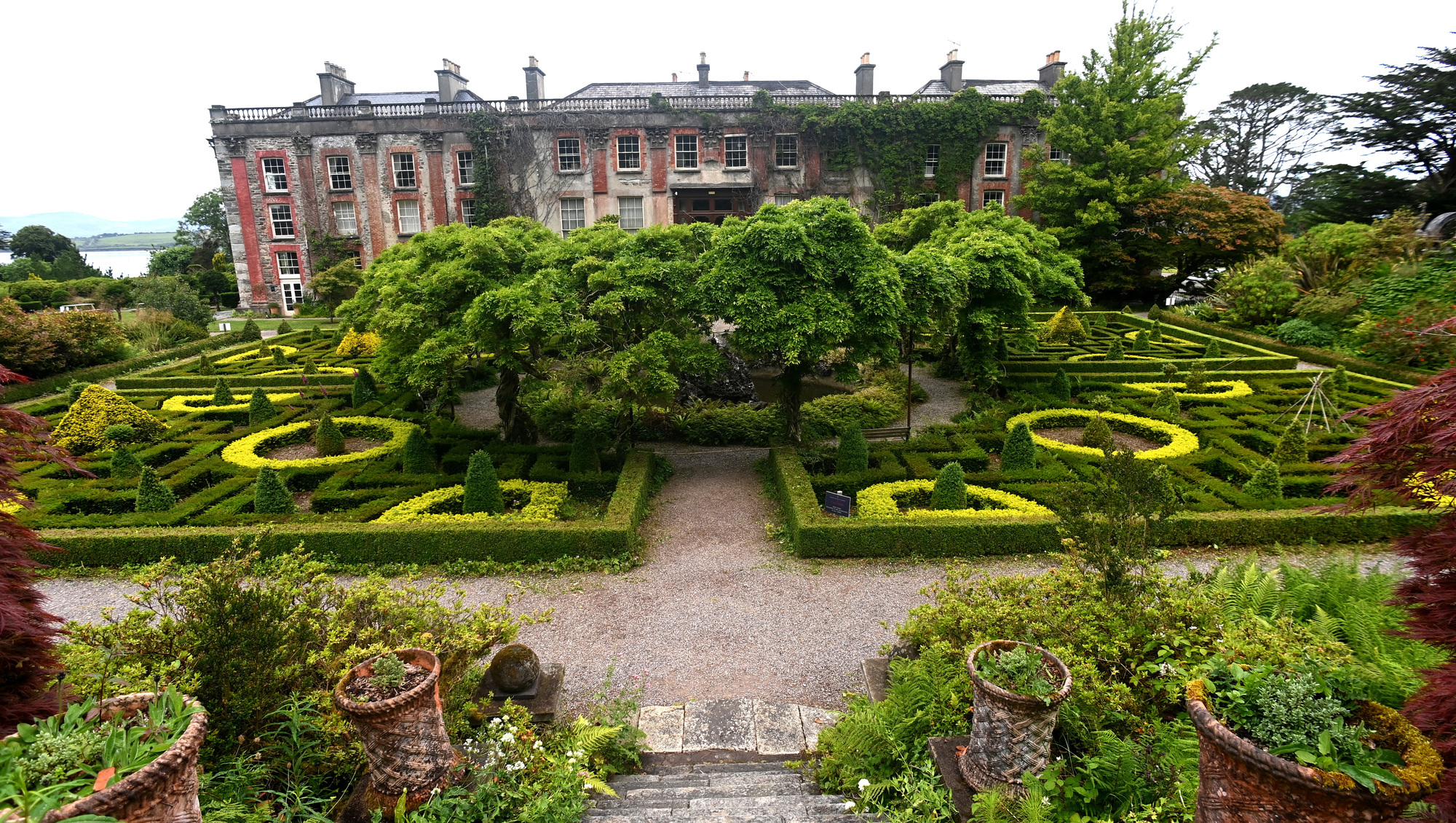
The stunningly beautiful Bantry House and Gardens, one of many heritage houses which receives support from Cork County Council. Picture: Eddie O'Hare
Cork County is Ireland’s largest county, and by a large margin too. It’s nearly 25% larger than the next biggest county Galway, and spans 7,500 sq kilometres, so it’s hardly a surprize that it also has a large, and a very diverse, range of heritage structures, properties of various sort representing the riches of the land, commerce and industry, and houses to match its scale and spread.
There are about 3,000 Protected Structures across the city and county alone, and in lots of ways that’s only the tip of the iceberg when it comes to buildings of note, little and large, ancient, cherished, neglected, and at risk.
And, when it comes to heritage buildings, County Cork doesn’t just have quantity: it also has quality.
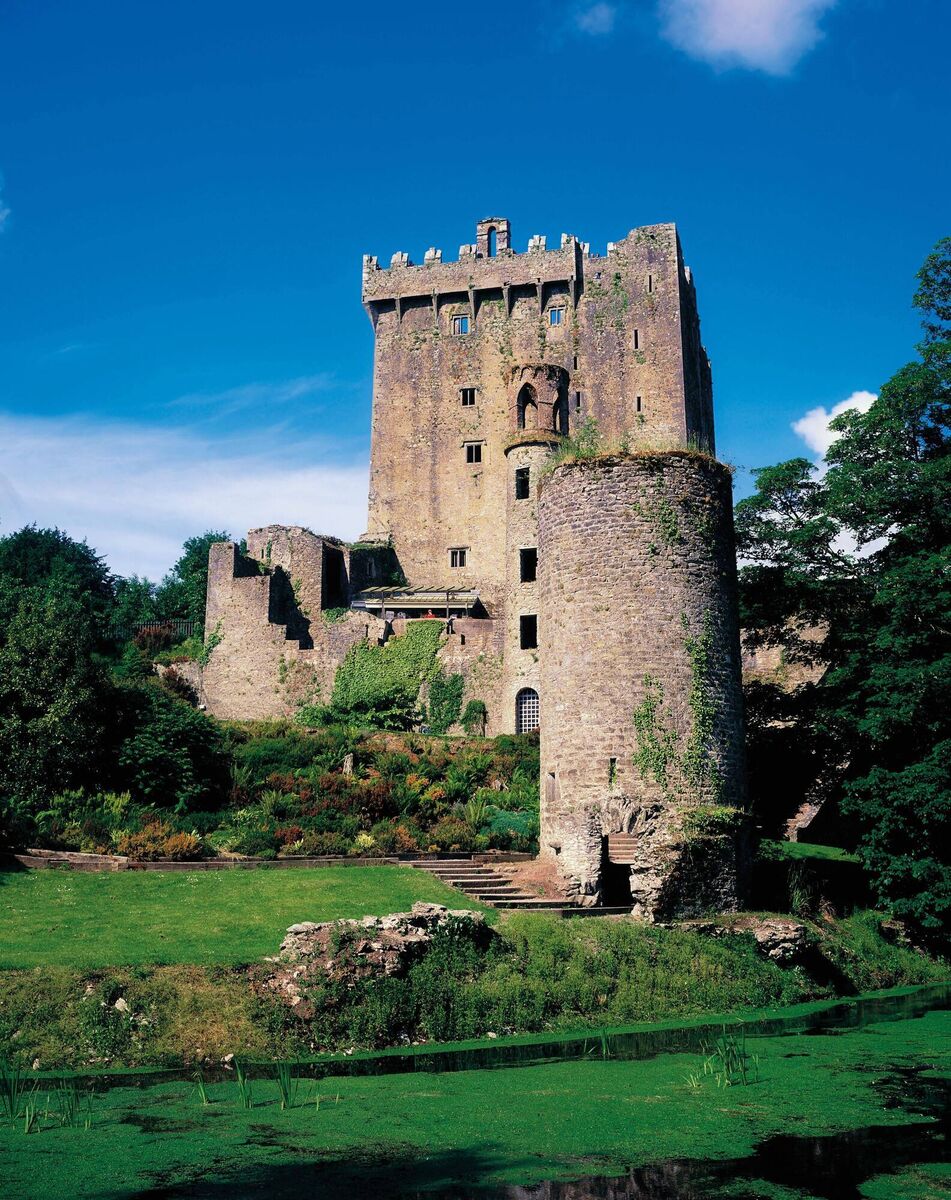
In terms of ‘received’ grandeur, think of Blarney castle and Blarney House and its gardens, a key international draw on the edge of the city.
Think the likes of Bantry House down west, or Fota House in the east — both hugely visited and appreciated assets — as well as the many once-grand estates and demesnes like Kilshanig, near the River Bride at Rathcormac, or Drishane House by the sea at Castletownshend, which open periodically to the public, and still are cared for private homes (see a list of some via Bord Fáilte’s website, listing those where owners get tax breaks for providing access at specified times).
Then, there are ruins of castles and monasteries to visits, as well as smaller, more modest buildings and houses, streetscapes and crescents, some recreated such as the early medieval circular dwellings at Lios na gCon in West Cork.
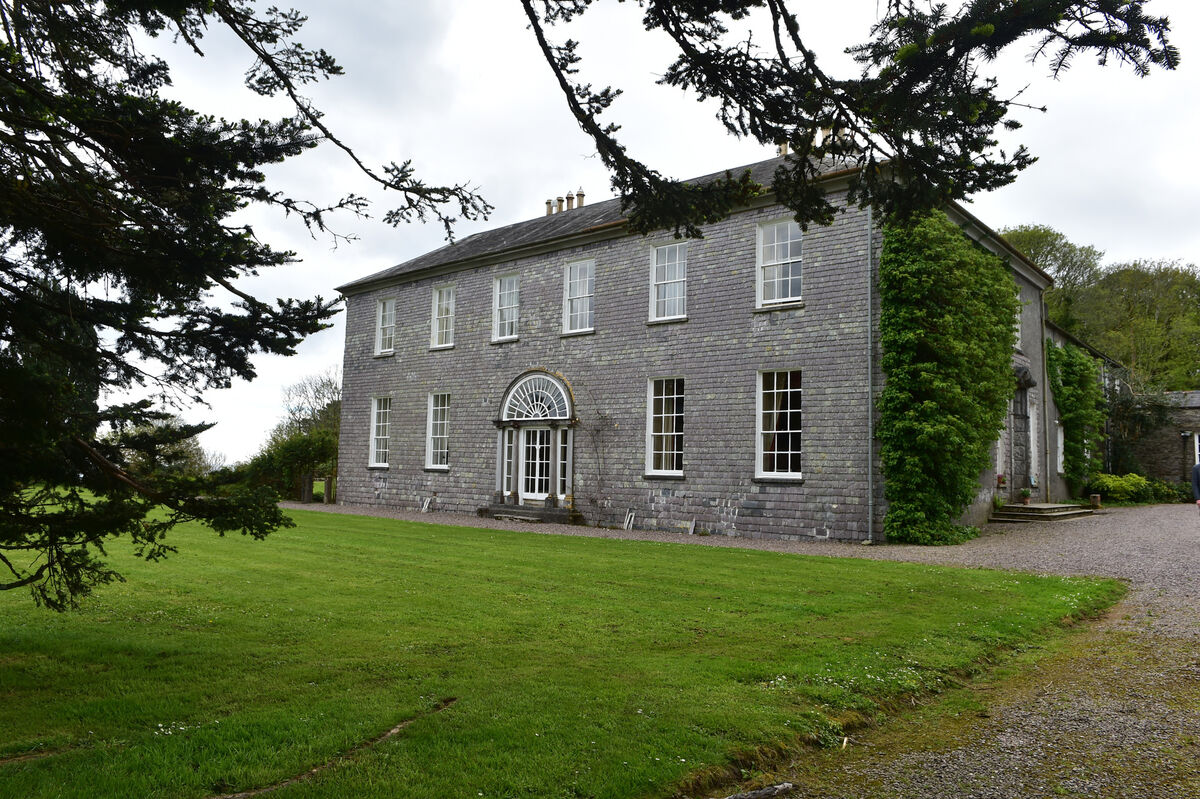
Or, in a charming case of ‘little and large,’ the tiny, one-room ‘Sprigging School’ rebuilt by voluntary effort near Rathbarry village, historically and directly linked to the adjacent Castlefreke Estate and Rathbarry church remains, where a multi-million euro privately funded restoration of the great Carbery house is ongoing now by a Freke family descendant for two decades, still a work in progress.
Given the county’s topography, from the coast in the east along the Celtic Sea down west to the Atlantic and the craggy, gnarly indented fingers of rugged peninsulas, then turning inland into river valleys, plains, hills, uplands and mountains, there are areas of utter diversity in Co Cork, from extraordinary caves deep under out feet, to mountain bothies you have to climb to.
Indeed, it’s often said that the county is in itself a microcosm of the island of Ireland, with underlying rock strata from sandstone to shale and limestones, to rarer marbles, with what’s under the ground excavated to have made what’s built over it: most often, and for obvious reasons, the heritage buildings we look at and admire have been made with the stone dug up from their curtilages. Wooden houses of yore would have been built with locally harvested trees, and roofs topped with thatch from local crops, or straw cut maybe in an adjacent field.
Still standing, in quite some abundance about County Cork rare megalithic monuments and tombs, going back as much as 5,000 years, as well as the like of circles and ring forts — with maybe 2,000 ring forts in the county alone, along with the cashels of West Cork, and promontory forts. As a general rule, the bigger the structure of yore, the more likely it is to have remnants at least of it still visible today, even with histories going back centuries, if not millennia.
Thus, in a random canter about the county and moving from the medieval period we have Norman era towers and castles (think at Mallow and Kanturk alone for some imposing examples), defensive forts such as the magnificent example at Kinsale’s Charles and James’ Forts, defensive fort too in Cork harbour such as at Spike Island and Crosshaven, as well as signal towers and Martello towers, and even a couple of ‘proper’ round towers, east and west of the city and Cloyne and Kinneigh and then, even in more abundance, monasteries, churches and other ecclesiastical remains, down to mass rocks.
Local libraries, Council offices and literature, blogs (such as the extraordinary roaringwaterjournal.com; lucky any other district which has such passionate detailing, erudition and images), and historical societies are valuable resources for information on buildings of note (and/or their inhabitants and their lifestyles,) and the better tourism offers, either visitor office and attractions, hotels and guest houses will often have literature freely to hand identifying areas, building and structures of note in any locale to enjoy a deep (or shallow) delve into the past.
Online searches are a trove too: hours can be lost following links and making associations, of use perhaps before or after a visit to an area that whets the appetite, or enriches what we already know about our own hinterland: you don’t have to be a tourist to be curious, and of course it’s always amusing to compare how we act when visiting a new city or country and explore ‘points of interest’ versus how we act while ‘at home’, often ignoring what’s literally of fascination and enriching right on our doorsteps.
On the domestic front, we depend on archaeology to tell us of the houses of the earliest and neolithic periods, say going right 6000 years back: excavation tells of most of what we know, especially in times before written records, while our knowledge bank is better stocked for the later periods, medieval onwards, as are physically surviving, upstanding examples.
Ah! written records!
There’s so much specialist information to refer to, even of interest to the most casual of curiosities: one of the very references best to this writer’s mind is the superb Yale University Press title in its Buildings of Ireland series, out since 2020, called Cork City and County by Frank Keohane, a compact 600-page book small enough to fit in a car’s glove compartment or door side pocket. Every car, home and school should have a copy.
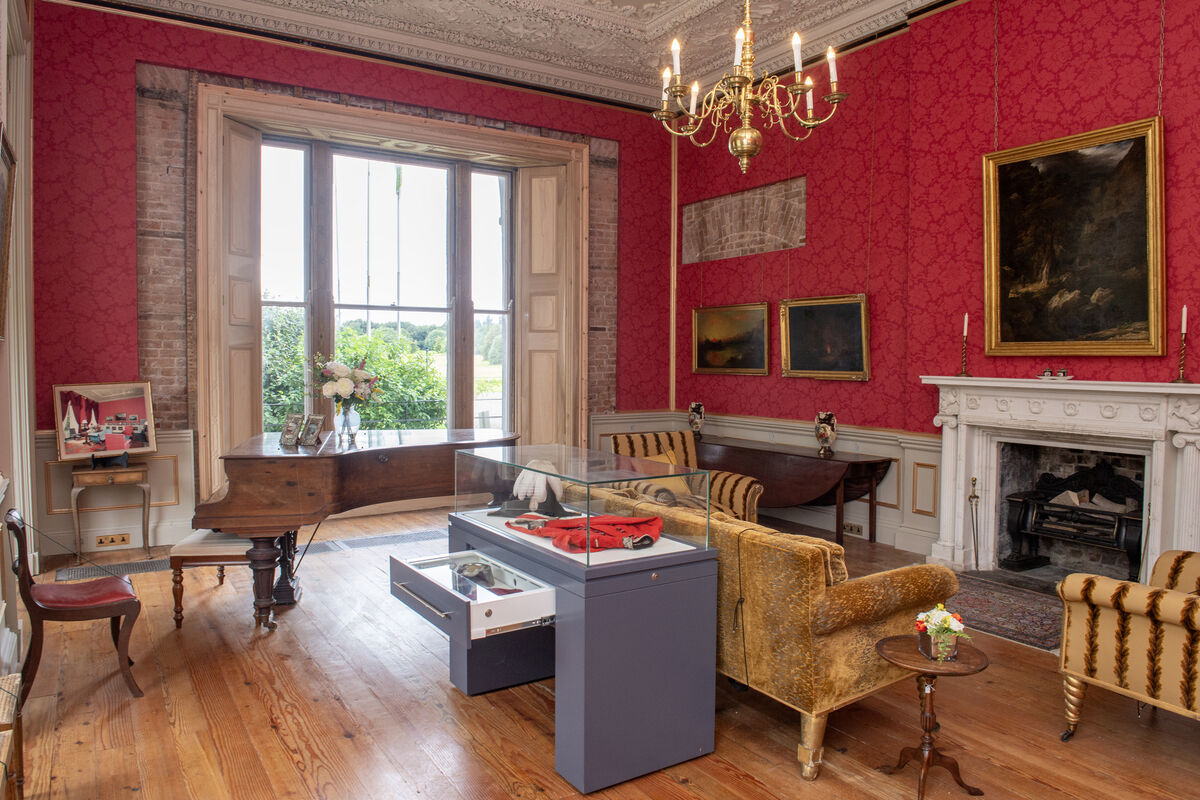
“Regarding architectural heritage in County Cork there is such a variety (of publications) to choose from, from the remaining vernacular buildings that once dotted our streetscapes, to the most splendid of country houses,” says Conor Nelligan, Heritage officer with Cork Country Council.
He suggests as a great, initial sampler is the Council’s own publications, Heritage Houses of County Cork, published in 2014 (www.corkcoco.ie): it joins the Council’s other specialist publications including Heritage Bridges (2013) Shopfronts (A Design Guide for the Historic Setting); Streetscapes (A Design Guide for the Historic Setting), and Guidelines of the Management and Development of Architectural Conservation Areas. More should follow!
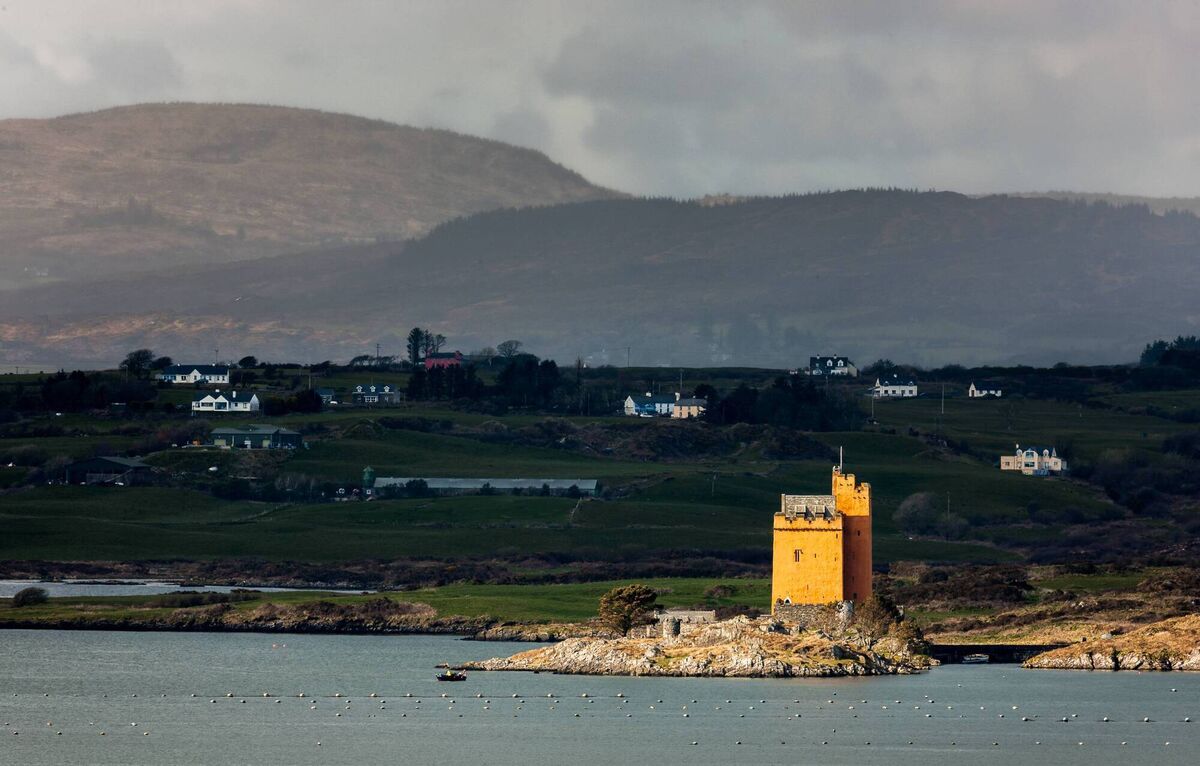
That 2014 Heritage House book or catalogue (c 220 pages, and again a nice size to handle) does a quick flick through the history of human habitation in Ireland/Cork over, or, a mere 10,000 years or so, has specialist chapters on architectural styles and features, acknowledges our curiosity about ‘the house of the elite,’ and then, hugely engaging, outlines 30 exemplars or Cork’s heritage houses.
The 30 exemplars span from ‘humble’ thatches and corrugated-iron topped vernacular cottages to castles, and back to gate lodges, small terraced homes….and ring forts.
“One of the key messages we aim to deliver is that architectural heritage is not just the ‘Big Houses,’ as it were, but also the houses of everyday folk, from thatched houses and labourer’s cottages to humble town dwellings and farmhouses,” say Heritage Officer Mr Nelligan.
Appreciation of our built heritage appears to be on the up and up, despite the occasional lapse of care, or acts of vandalism, on a spectrum of benign neglect right up to arson.
On the positive side, and just to pick some of the more heroic examples of restoration and conservation, Cork County has for whatever reason quite a tally of castles, some over 1,000 years old, given new life by private owners, local communities and State and local bodies.
They include actor Jeremy Irons’s Kilcoe Castle, Baltimore Castle, Cor Castle at Innishannon, Barryscourt, and Belvelly Castle on Great Island, as seen on TV some years back, while others are projects in the wings: internationally noted furniture maker Joseph Walsh has his own: his imagination knows few bounds, so what of his considered plans for Kinsale’s Ringcurran Castle, currently reduced to just the slimmest sliver of precariously-standing stones.
Given the spread to choose from and delve into, knowledgeable observer Conor Nelligan however admits “it’s hard to pick any one building over another in regard to the County of Cork, particularly given that there are about 3,000 Protected Structures in the County alone.
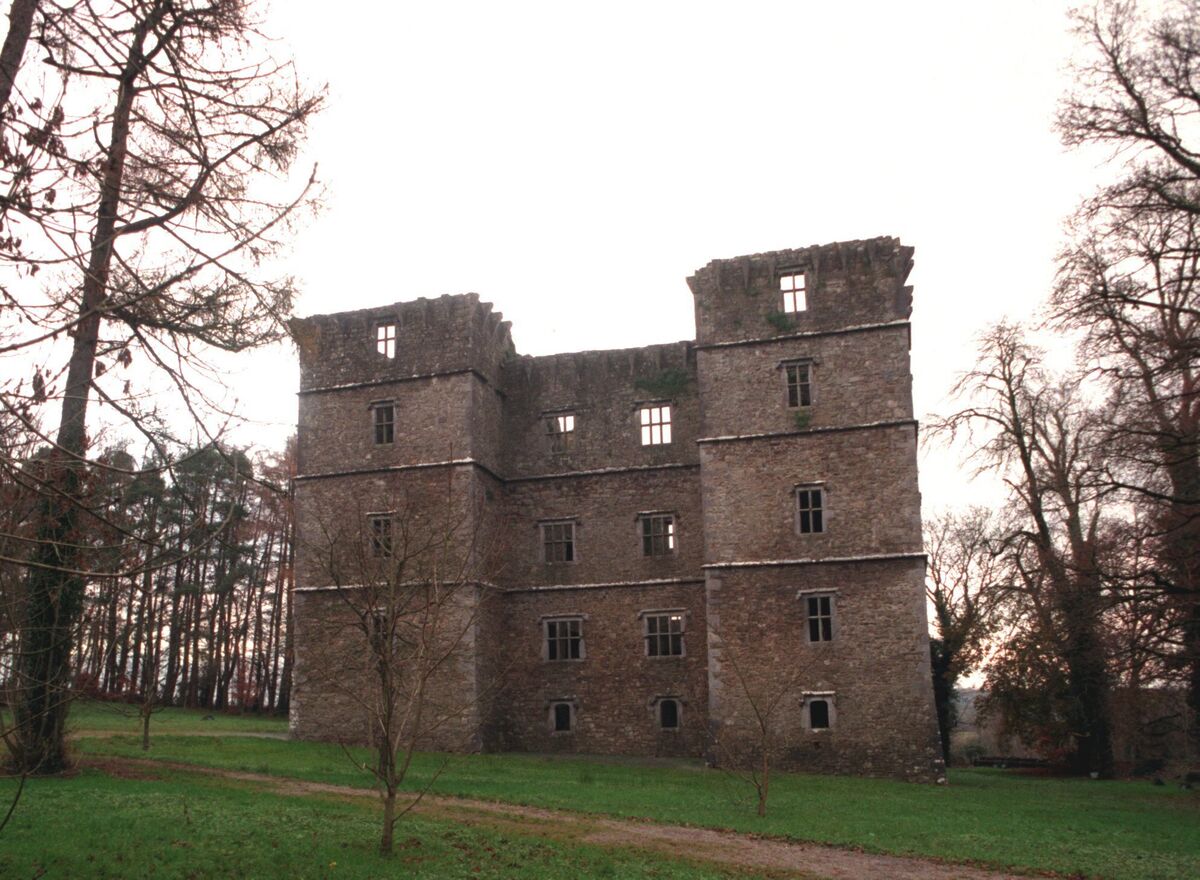
“There are some incredible sites to choose from, from fortified houses of the 16th and 17th century such as Mallow Castle and Kanturk Castle, to houses of the 18th century such as the Red House in Youghal. Many further buildings are most popular with people and some are open year-round (such as Fota House and Bantry House), while others may open for specific events, i.e. Heritage Week (such as Crosshaven House).
The Council has been prepared to put its money where it mouth is too, as conservation of heritage houses (from the largest to the littlest) has been assisted by the local authority on two main platforms, says Cork Co Co’s Mr Nelligan.
First is advice available via national bodies and in a County Cork context as well (eg the specialist publications referred to above), and secondly via annual funding from central funds, via the Council at local level, “typically of at least €200,000 and often more, for conservation works at a range of structures under the Built Heritage Investment Scheme and the Historic Structures Fund.”

CONNECT WITH US TODAY



Be the first to know the latest news and updates