I am 19 years old and have spent 15 months in a psychiatric unit in Dublin. I was admitted as an involuntary patient.
There, I received a diagnosis of schizophrenia. I was on my own when I received this news as I was unable to see family due to Covid. To this day, I find it hard to believe. I was told I was extremely unwell.
My path was long and gruesome until medication could be found that was suitable and worked to get me stable.
I was told my next step would be intense rehabilitation after been in hospital so long and due to the illness I lost all my skills.
My memory was affected and a referral to one of the only two inpatient rehabilitation centres in Ireland was made by my team.
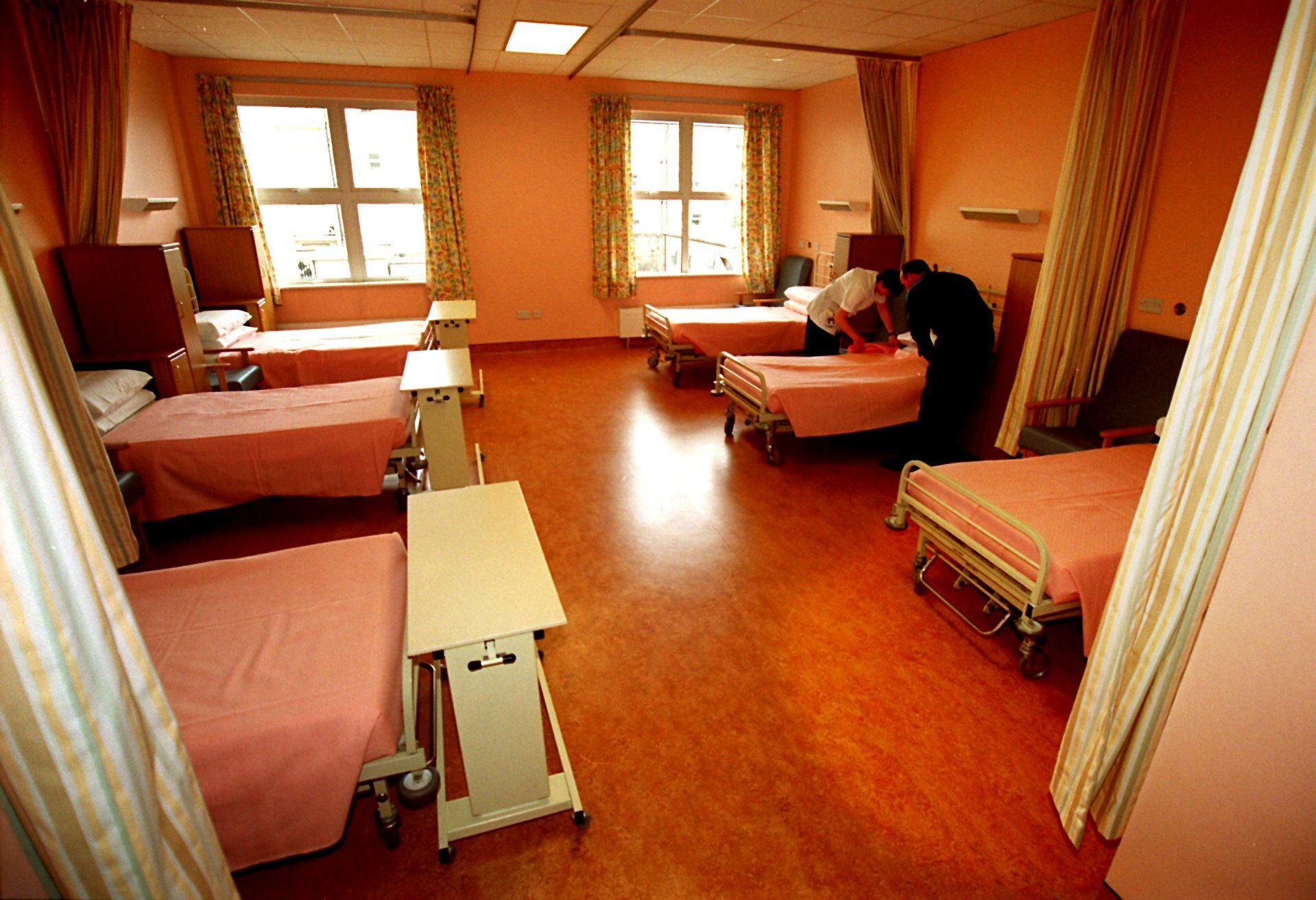
I was then made a voluntary patient and I awaited my rehabilitation acceptance but bad news came. They refused me as I was not chronic enough in my mental illness for the programme.
My illness is lifelong, and my hopes were dashed. I was discharged back to my community with no intense rehabilitation programme. My days are spent lying around my house.
I feel that for young people like me we could be given a chance of a better outcome for our future if we had rehabilitation beds.
I am at lost how to handle this diagnosis I have been given and would like to be in a rehabilitation unit where I could gain independence, living skills, and the tools to help me live the best life possible with my illness.
Robert Brady
Walkinstown
Dublin 12
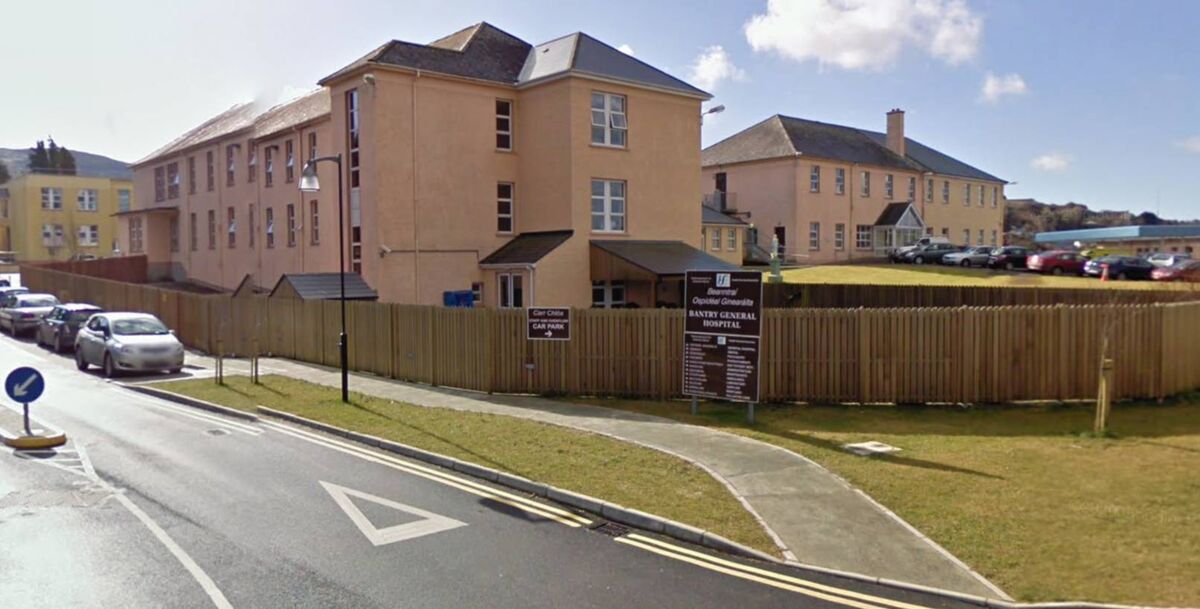
Bantry hospital should not close
It will be a terrible blow to West Cork if Bantry Hospital faces closure at this time, with all the EU money that’s available to the Government to upgrade and employ more staff.
You cannot expect a consultant to be run off their feet 24 hours a day, seven days a week, so the hospital has taken the decision to suspend admissions.
This is not acceptable to the people of West Cork, who will have a long trek to CUH, especially if you are sick and in need of urgent medical care.
The hospital has said it has struggled to attract suitable qualified staff and will not be able to return to normal until at least September if they can get staff to run the hospital despite advertising for vacant positions
In the meantime, Southwest Hospital Groups will continue to support the Bantry Hospital in the management of patient services at this point in time.
Noel Harrington
Kinsale
Co Cork
Safe access zones are necessary
Refusing to legislate has been a feature of successive Irish governments’ handing of the issue of abortion ever since the X case in 1992. The legacy of this head-in-the-sand attitude is Savita Halappanavar, Ms A, Ms B, Ms C, Ms D, Ms P, Ms Y, and hundreds of thousands of smaller tragedies that don’t even warrant a letter next to their name but whose abandonment during crisis pregnancy will always be a mark of shame against a state that has always mistreated women, minorities, and other vulnerable people.
And now we see the current Government, three decades on from the X case, refusing to legislate for safe
access zones (Donnelly to Hourigan, parliamentary questions, July 13), despite promises to do so in the
programme for government, despite members of the current Cabinet lapping up praise from Repeal the
8th campaigners in Dublin Castle on May 26, 2018.
The lack of this protection for abortion providers is the main reason why so few GPs have signed up to provide
access to abortion. In the wake of this refusal to legislate, anti-abortion protesters will be emboldened to step up their campaign of harassment and intimidation. Is this Government, like its predecessors, going to wait until there is an unforeseen tragedy before it finally acts? Where, too, is the legislation to tackle rogue pregnancy agencies that prey on vulnerable people in crisis pregnancies?
The landslide vote in the 2018 referendum was not for an abortion service that is difficult, humiliating, and unsafe to access and to provide. Two thirds of the electorate did not vote for people in crisis pregnancies to have to run the gauntlet of creeps and weirdos with their gory imagery and religious paraphernalia to receive reproductive healthcare. No, we voted for compassion, but this Government has, once again, given us shame.
Rebels For Choice
Co Cork
Respect rights of all lawful protesters
Reading Elaine Loughlin’s front-page article, ‘U-turn on safe abortion access zones’ (Irish Examiner August 7), her related article ‘Betrayal over safe abortion access nothing new to Irish women’ in the same edition, and the ensuing promise by Health Minister Stephen Donnelly to legislate for such zones, it would be easy to assume that women seeking abortion here are harassed and intimidated by anti-abortion protesters, and denied all legal protection from them.
This is in spite of statements by the Department of Health to the effect that current legislation is sufficient to deal with any issues arising from such protests, and the Garda Commissioner’s assurance that any further legislation on the matter would be ‘redundant’.
As an abortion opponent, I don’t have a problem in principle with dignified and peaceful protest, but recognise, even if I disagree with abortion, that where it is legal, intimidation and harassment of those accessing it has no place.
What I find unfortunate, is that no recognition is given by the media to the fact that arrests and prosecutions of those protesting outside of hospitals have been, and remain, non-existent.
This is simply because protesters have behaved responsibly, and within the framework of what is already a
restrictive law. They too deserve to be neither harassed or intimidated.
Rory O’Donovan
Killeens
Cork

Bishops and the sacraments
The decision of some bishops to allow parishes to make plans for the sacraments of Holy Communion and Confirmation is surely understandable if the Government was not going to engage with them.
In my parish, many families have been waiting to have their children baptised, which we are beginning to undertake again.
Children have been waiting two years to make their Communion and Confirmation, and it will take months to prepare each child and undertake all the ceremonies, as they will now happen in small numbers.
There really was no need for this unfortunate stand-off with the Government.
Frank Browne
Templeogue
Dublin 16

Waste collection is an essential service
As one who for almost a quarter of a century has advocated for the concept of taxation on waste creation at the point of production, I would like to welcome the proposals by the Government’s junior environment minister to introduce a levy on disposable cups.
This positive move will have the desired effect of reducing the volume of disposable cups created.
Unfortunately, Ossian Smith’s proposed levy fails to acknowledge the full proactive potential in promised legislation, when suggesting that the levy would not be a revenue-generating exercise.
This is where I beg to differ with the minister, as this represents a lost opportunity as the revenue created by the levy should be a direct source of funding to enable the adequate disposal of the waste in question.
If we as a society are serious about our environment and want to tackle what has become a national pastime — namely the flytipping that is a blight on our countryside — then the above legislation can provide the initial funding to enable local authorities restore what was for generations the statutory function of collecting waste directly from householders.
After all, if we are to be environmentally friendly then we must acknowledge that the disposal of waste has to be a essential service.
Tadhg O’Donovan
Fermoy
Cork
Circumstances of prison segregation
The article regarding a report by the Inspector of Prisons rightly highlights the plight of prisoners whose unique circumstances have resulted in a solitary existence (‘Transgender women in Limerick jail locked in cells for up to 23 hours’, Irish Examiner, 4 August).
However, it fails utterly to consider the rationale behind the circumstances of these criminals with fully intact male genitalia housed in the women’s wing.
Where is the concern for the female guard who is performing intimate searches on male-bodied prisoners far stronger than she is?
You report that the prisoners complain that a male officer is present when the female officer searches them.
It is outrageous that a woman is forced to perform such intimate searches at all. Were she to be alone with the prisoner at such a time, her safety would be unacceptably compromised.
Eleanor Doyle
Templeogue
Dublin