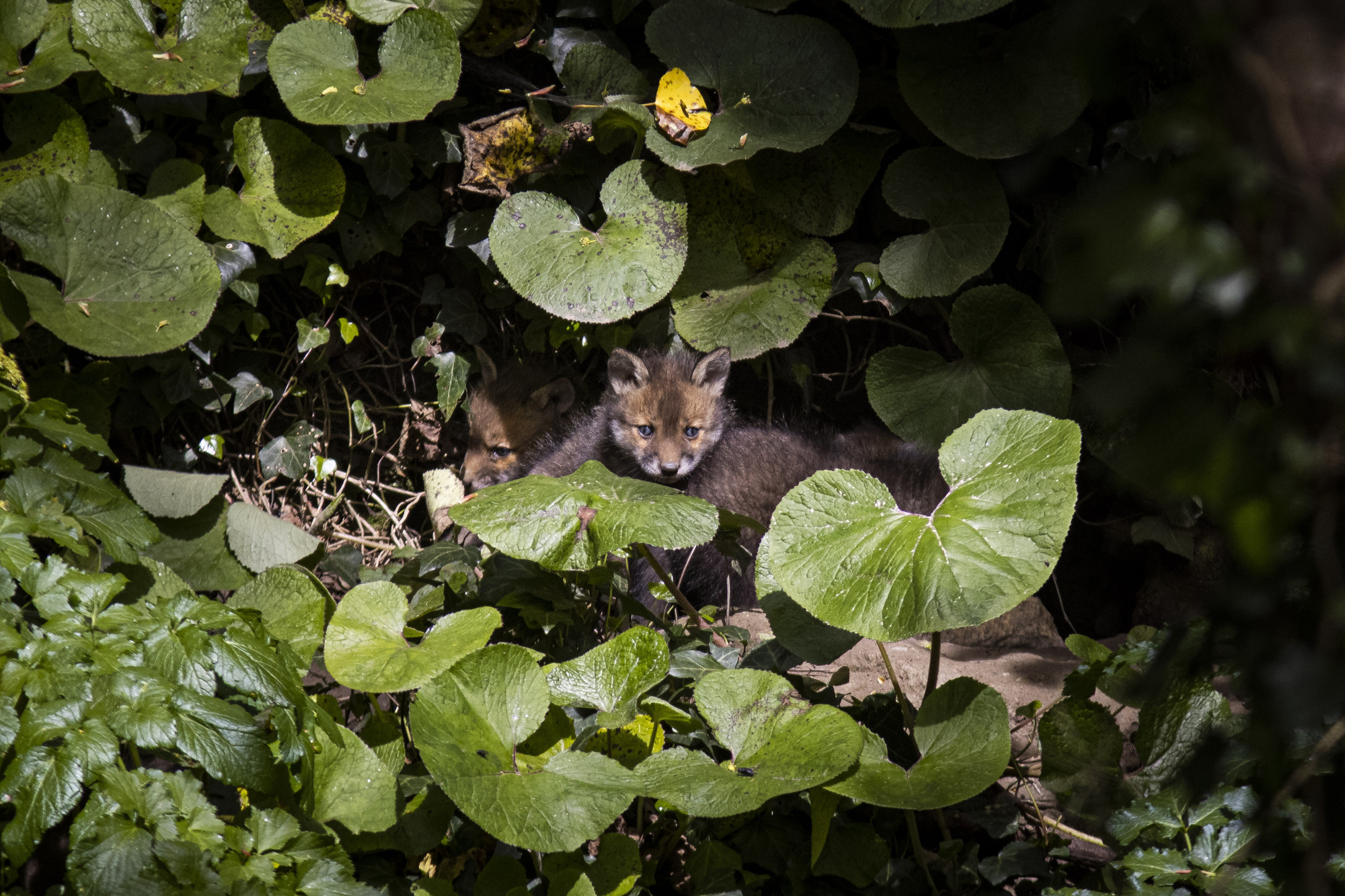
Your stunning front-page picture on Saturday was yet another reminder of the wonderful wildlife heritage we have — ‘Cub-urban living’ ( Irish Examiner, April 24). The photographer, Andres Poveda, captured eloquently a fox with its cubs in the greenery of a river bank.
Such pictures pull at the heartstrings, but sadly their power to impress may not be strong enough to provoke a change in how as a nation we behave towards our vulnerable wildlife species, both in terms of conservation and the welfare of the creatures that share this island with us.
Newspaper columnists have been writing evocatively in recent months of our new-found affinity with nature, of how we’ve attuned ourselves to a world we either took for granted pre-pandemic or didn’t notice at all.
The appearance of bluebells and the return flight of the Brent geese to the Arctic are sights to behold, as is the emergence from its furtive ways of the fox that increasingly turns up on the outskirts of towns and villages.
But will we retain this appreciation of nature once the war against the dreaded virus has been won?
When it suits us, we lap up the sights and sounds of the nature, but let’s not forget that a quarter of Irish bird species are now deemed to be endangered and on the red list including the puffin, kestrel and curlew.
John Fitzgerald
Callan
Co Kilkenny
Control predators to protect species
Your story Two thirds of bird species in Ireland in serious trouble (April 22) got my attention.
While I do not profess to be an expert such as the academic elite who are advising the powers that be on this issue, I do fundamentally disagree with their findings.
We have a thriving bird population in the countryside even though there are some individual species struggling such as the curlew, tern, and lapwing, each ground-nesting and vulnerable.
This can often be explained not because of farming or forestry practices but predation by birds of prey, mink, foxes and others. Our raptors have without exception surged back from the pesticide setbacks of the ’50s and ’60s.
While most of the headlines in relation to wildlife tend to be intentionally gloomy, I think we have much to celebrate and we do have new species which are now widespread and thriving, such as the buzzard and egret among others.
The answer to declining bird populations in the urban environment is simple predator control — it works in the countryside, where it is done to the benefit of all wildlife.
Brian McDonogh
Ovens
Co Cork
Fond Biden may not be favourable
A neighbour of mine when I was growing up in Bandon was a science teacher and a Fine Gael councillor. He was a lovely man and an out-and-out genius with a wicked sense of humour.
On one occasion I asked him: “How’s the canvassing going?” He replied: “I’ll put it like this. I met a woman I know well today who told me ‘I won’t vote for you but I’ll light a candle for you’ so I’m in serious trouble.”
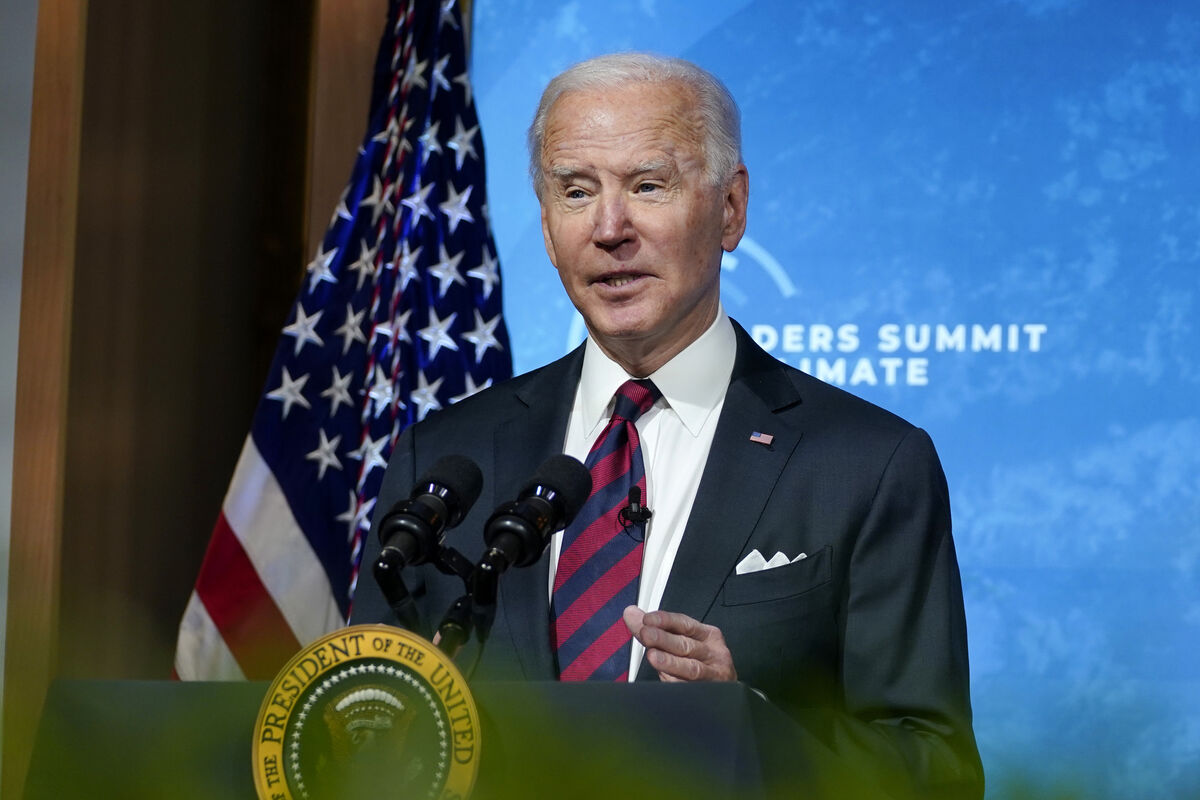
US President Joe Biden is a good man and he is fond of Ireland, but that does not mean that his presidency will be good for Ireland.

Every successful politician has “a concept” of himself or herself. Mr Biden’s “concept” of himself is pure rust belt. His administration will not support our corporation tax rate.
His party has a narrow (delightedly unexpected) majority in the US Senate. So he can get numerous items of legislation adversely affecting Ireland passed quite quickly and suddenly.
“Uncle Joe” is a decent man. But he is lighting candles for us — not “voting” for us. Anyone who thinks otherwise is fond of the “auld mullarkey”.
Michael Deasy
Carrigart
Co Donegal
Lofty ambition for Climate Action Bill
Environment Minister Eamon Ryan says he is “tired of Ireland being laggard” about climate change, and his Climate Action Bill intends to make this country a leader for other countries to follow.
Ireland’s annual greenhouse gas emissions are estimated as being 4% of that of China; we also are responsible for a fraction of that produced by industrial giants like the USA and India.
Mr Ryan’s aspiration to lead in this respect might be compared to a mouse leading a herd of elephants — into the unknown.
He might also consider that there could be a high possibility of this small island’s efforts being trampled in the process.
Tom Baldwin
Midleton
Co Cork
Personal actions can affect many
Thank you Louise O’Neill for your article and your timely reminder of the importance of unbiased journalism and social responsibility.
Here in Ireland we enjoy immense personal freedom, but maybe we have lapsed in recognising that, like a pebble in a pool, our actions ripple out and affect many, be that abortion or vaccines.
Lynn Kee
Clonsilla
Dublin 15
Booze subsidies in Dáil restaurant
Alcohol has negative effects as far as the spread of the virus is concerned.
Alcohol can also cause serious illness, so the Oireachtas is bringing in a bill to regulate the price of alcoholic drinks.
Well done. Presumably, they will also move to end the subsidising of the price of alcohol in the Dáil restaurant.
Brendan Casserly
Bishopstown
Cork
Hostile attitude to our civil liberties
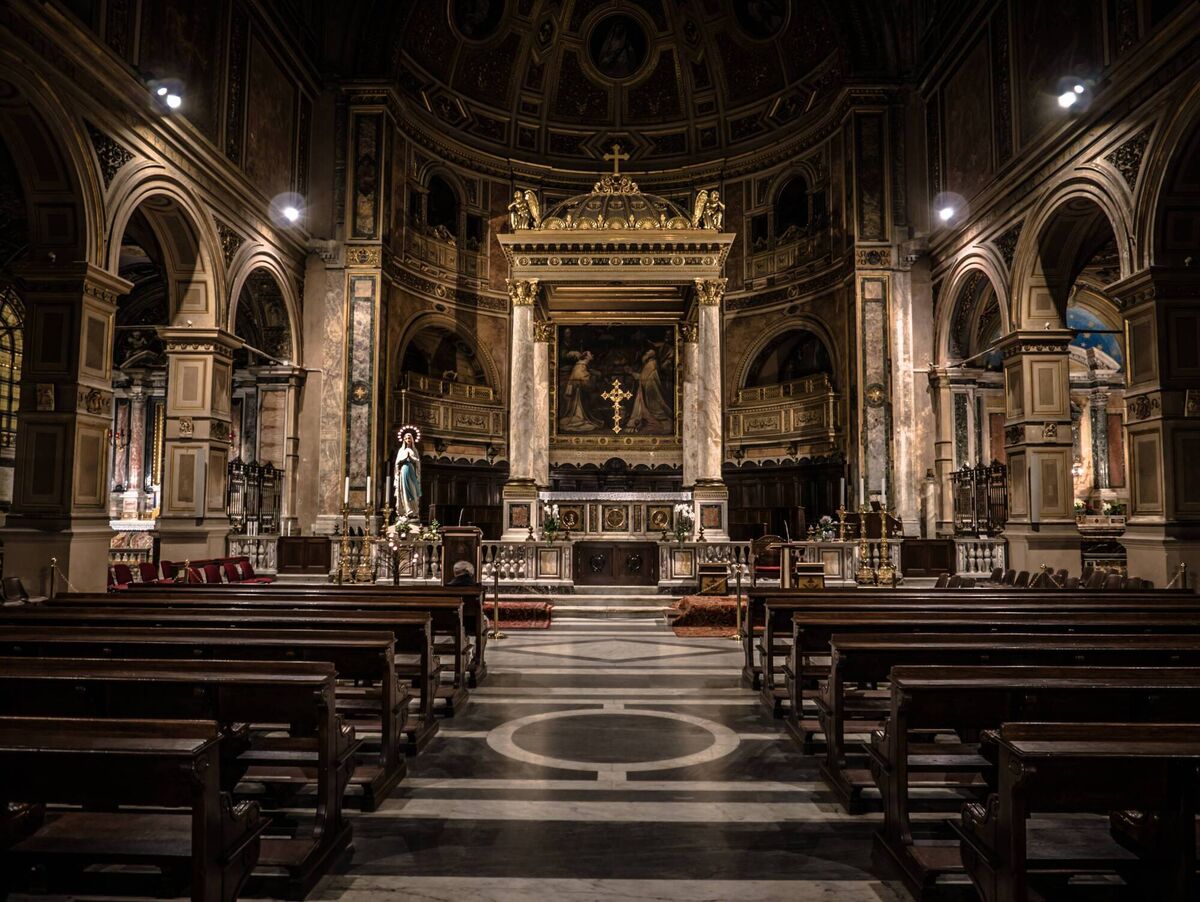
As an atheist, I have to ask in the interests of freedom and fairness, is it more humane to allow citizens visit zoos, but going to a church to attend Mass is still illegal?
And why do we see gardaí invading those places to put manners on socially distanced attendees?
This harsh Government is shameful in its hostile attitudes to our civil liberties. When did church-goers become the accepted ally of the virus? For shame, take the jackboot off of the necks of the people.
Robert Sullivan
Bantry
Co Cork
Religious isolation a negative thing
Nick Folley in his letter about the importance of going to Mass ( Irish Examiner, April 26) says that Mass is not about having a “chat about the match at the back of the church”.

But when lay-Catholics are not properly facilitated by the Catholic Church to express their individual views about the Gospel at Mass or at other times of the week, then lay Catholics’ religion must be a lonely religion.
I know penance is needed in everyone’s life, but too much isolation in religion must be a negative thing and must also be spiritually unhealthy.
It must probably be by some miracle that priests are able to work for them to be able to claim that lay Catholics can truly form a fully functioning religious community together when many of them don’t even talk to each other about any religious matters.
Sean O’Brien
Kilrush
Co Clare
CLIMATE & SUSTAINABILITY HUB