Irish Examiner view: We must take action to combat climate change
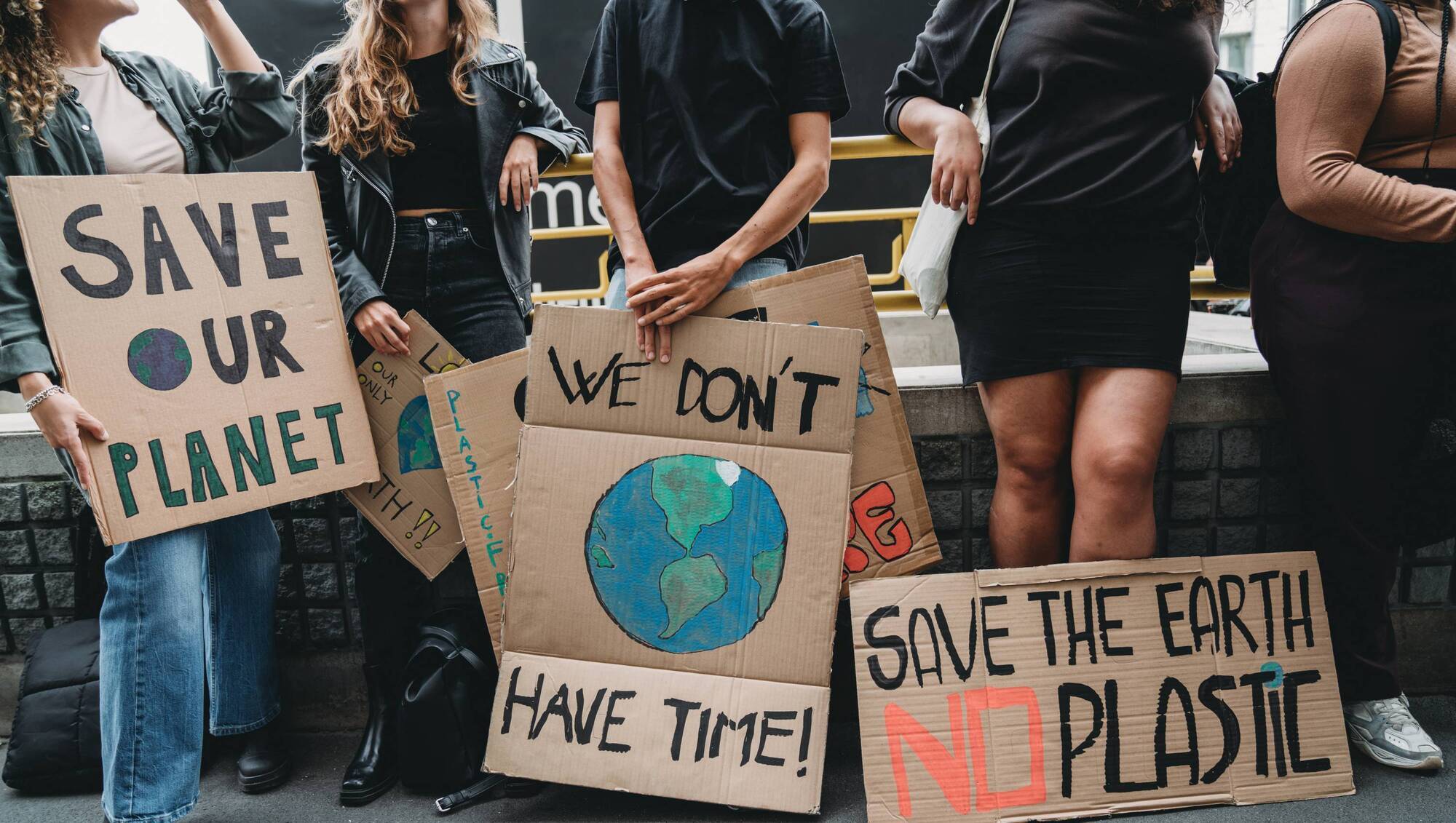
Individuals cannot instigate change unless the system is built to facilitate it.
As a nation, we can be accused of resisting change. It’s in our DNA.
While often failing to realise that change is the single biggest factor in our lives on a daily basis, we still rail against it in an often silly and petulant manner.
Even when we realise that change is happening — or better, has to happen — we somehow contrive to make it difficult for ourselves to collectively adapt to what needs to be done to accommodate it and make our lives more bearable.
While we are extremely conscious about the world around us, we are, more often than not, reluctant to embrace those things which we know will not only help sustain us into the future, but secure the wellbeing of forthcoming generations.
Today, Monday June 1, the 'Irish Examiner' will publish an in-depth analysis — in print and online here — of its new Ipsos B&A poll on Irish people's attitudes to issues including climate change
As seen in these columns, a national opinion poll carried out by Ipsos B&A for the 'Irish Examiner', indicated clearly that while we are a very climate-conscious nation, we are reluctant as individuals to taking those actions which will make our lives more sustainable.
And, on top of that, we still uniformly rate such as the housing crisis, or cost of living issues, or healthcare matters as bigger priorities than meeting clear, obvious, and necessary goals which will provide greater sustainability and environmental protection.
It’s a sort of national dichotomy — while we yearn for a clean and sustainable world, we would prefer more houses, more hospital beds, and cheaper foodstuffs.
We can’t necessarily continue to be like that.
Creating a greener, cleaner, and sustainable world is going to cause pain in many ways, but if that is going to be too bitter a pill to swallow, then this and future governments will have to lead us by the hand and carefully persuade us of the need for it.
The findings clearly illustrate the need for more robust and more synchronised government policy and action to facilitate change.
Currently we depend on individuals or committed groupings to either enable change or illustrate how effective it can be.
That has to change and we desperately need to see that sort of commitment coming from the top — in an informed and inspirational fashion.
Gentle persuasion rather than a blunt instrument is always a much more effective way of implementing change.
It is significant that 59% of those polled think the Government is not doing enough with the available resources it has on climate change, while 61% also say we are not prepared for the impacts of climate change.
Those are fairly startling figures and should stand out to those in government who think they are doing well on these issues.
The conclusion that individuals cannot instigate change unless the system is built to facilitate it.
We are still missing those levers and those in office should take careful note.
The news — at the height of a housing crisis — that we have singularly failed to meet targets regarding the inspections of social housing stock nationally, is indicative yet again about a lack off urgency within government about key elements of the level of emergency at hand.
Some time ago, the Government pledged that it would have the country’s entire stock of social housing inspected by 2030.
It doesn’t look like it’s going to pan out that way.
There are some 162,019 social homes in the country and audits of them were announced in 2022, commencing in 2024.
Yet, just 15,317 properties have been thus far inspected — a paltry 9.5%.
Housing minister James Brown is optimistic at the best of times — necessarily so — but his contention that the rest of this work will be completed by 2030 seems a touch hopeful.

Especially so when two of the biggest local authorities in the country, the city councils in Dublin and Cork, have completed just 4.4% and 1.6% respectively of the necessary work.
In Mayo and Donegal, there have been no inspections at all. This is the sort of vital work needed to get on top of the housing crisis.
We just don’t seem to realise how important it is.
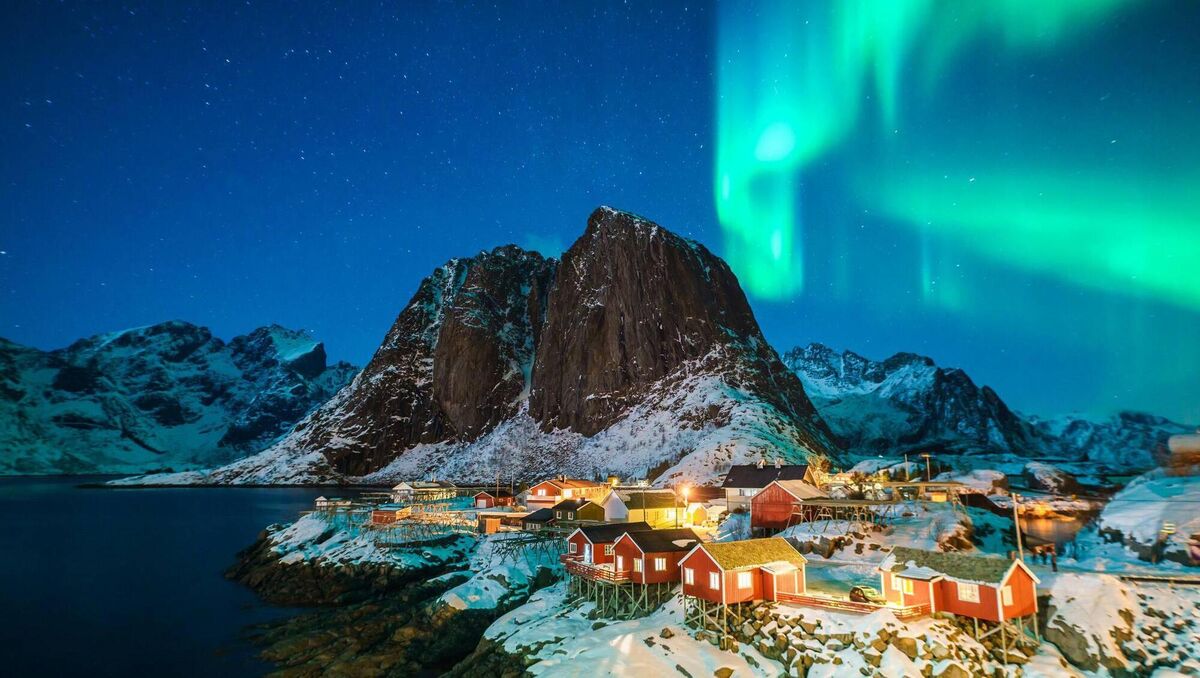
Our fellow North Atlantic islanders in Iceland have historically shown a remarkable streak of independence in all matters — political, economic, and social. Donald Trump might just have put a stop to it.
While Iceland is in Europe, it has never been in the EU, but because of Donald Trump’s meddling in Greenland, the 400,000 or so natives there are now feeling a lot more isolated and vulnerable.
One of the main reasons Iceland so fiercely protected its independence was because of its economic reliance on its fishing industry and they collectively felt that this would be jeopardised were it to join up.
Indeed, they constantly reference the decimation of the Irish fishing industry as being good reason for avoiding membership.
But with Trump constantly chirruping America’s security and the need to “get” Greenland, Icelanders are getting jumpy and what was once unconscionable is now firmly on the table for debate.
The country is heading for a referendum this summer on whether or not to enter talks with Brussels on joining the EU.
These would be exploratory talks and the whole process of accessing membership could take years, but the fact Iceland is even considering it, is a major step-change.
Of course, the EU does not admit new members willy-nilly, but Iceland would be very attractive for the bloc.
It would offer the EU an important geographic foothold in a region where superpowers are vying for dominance.
It is also a wealthy country and almost outpaces most existing EU members on metrics such as gender equality and life expectancy.
Any future relationship between the bloc and Iceland is possible, but it may be that the country’s fishing industry will have to be given priority before they will be saying ‘Godan dagann’ in Brussels.


CONNECT WITH US TODAY



Be the first to know the latest news and updates