Irish Examiner view: Dealing with another outbreak
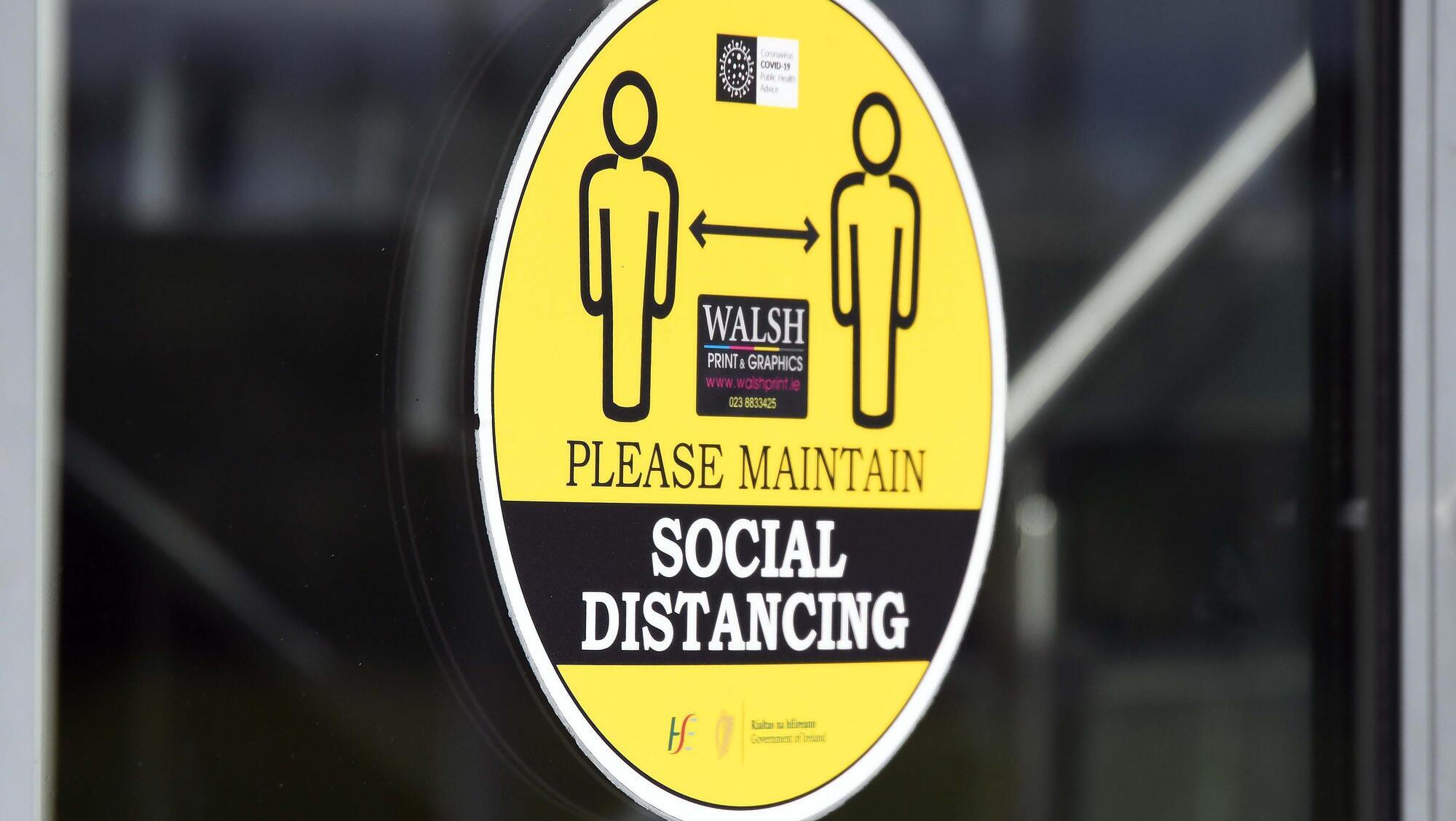
The covid pandemic is so recent that we are still picking through lessons from that extraordinary period
Irish Examiner view: Dealing with another outbreak

The roundtable on Tuesday was part of Ireland’s covid-19 evaluation panel, set up to examine the handling of the pandemic, to identify lessons which can be learned, and to make recommendations to help with future crises. File picture Denis Minihane

The verdict on our handling of the pandemic — could have done better, not prepared if we ever find ourselves back there again.

The roundtable on Tuesday was part of Ireland’s covid-19 evaluation panel, set up to examine the handling of the pandemic, to identify lessons which can be learned, and to make recommendations to help with future crises.

One of the key discussions centred on communication and conveying messages about changing advice in particular.

Mike Ryan of the World Health Organization pointed out that while scientists can adapt quickly to changes in advice because of new research, societies as a whole can take longer to adapt. This is turn led to questions of how to communicate with the public, he added, and how to communicate uncertainty in particular.

The pandemic is so recent that we are still picking through lessons from that extraordinary period. The decisions and actions taken then are still being scrutinised closely, and it was no surprise yesterday to hear advocacy groups renew calls for a full statutory inquiry into the period.

There is certainly a strong argument for such an inquiry, but one significant takeaway from the roundtable was Dr Ryan’s focus on preparing for the next such event.

“Unless we start to invest in community and participatory public health and have communities ready for the next pandemic, we’re going to fail, not because of the technological and the innovation solutions, but we have not prepared, supported and involved our communities in preparing for the next pandemic,” he said.

The possibility of another such outbreak is a sobering one, and readers could be forgiven for a general reluctance to dwell on that prospect. However, we must consider that eventuality because, as Dr Ryan said, it is important not to deal with the next pandemic the same way we dealt with the last one.

Opposition is endorsment enough

Across the world, countries are making a stand on the toxic influence of large tech and

social media companies, with Austria one of the latest to ban the use of social media by children under 14 to protect them from addiction, harmful content and risks to their mental health.

Unsurprisingly, those companies are pushing back against such decisions. As reported here yesterday, Kate Alessi, managing director and vice-president of Google UK and Ireland, said the company, which owns YouTube, does not support “blanket bans”, stating: “We don’t believe that’s the right approach. We believe blanket bans take choices away from parents and push kids out of supervised spaces.”

Readers would be forgiven for being taken aback at such sentiments, given their timing. Just last week, Facebook owner Meta and Google were found liable in an American court for a woman’s childhood social media addiction through deliberately designing addictive products, and the companies were ordered to pay damages of $6m between them. In a separate case in New Mexico, Meta was found liable for violating state law by failing to safeguard users of its apps from child predators and was fined $375m.

There are examples closer to home of how well such “supervised spaces” operate. In recent days, the Association of Garda Sergeants and Inspectors’ annual conference heard that the home addresses of gardaí are being shared online, along with “vile and vexatious” allegations about them and threats of violence, while the teenage children of gardaí working in retail have been approached by people citing online rumours about their parents.

This is the reality of online lawlessness, and the direct result of large companies dodging any sense of responsibility for the content they carry. Pushing back on efforts to limit their ability to access children is telling: It shows the true priorities of these companies, which is to maximise their profits.

Social media bans for children could have no greater endorsement than the opposition of such companies.

Move to help banish period poverty stigma

The mayor of Co Cork, Mary Linehan Foley, deserves credit for raising the issue of free period products for schoolgirls — even though, as she said herself, she should not have to ask for this measure to be introduced.

Ms Linehan Foley said she had been contacted by a school council about free period products so she had brought it forward as a motion at the council, and “it was passed unanimously to write to the department to request the same”.


She is correct to point out that Ireland is “a bit behind” on the issue; if anything that is an understatement. As long ago as 2017 research showed that 85% of women are at risk of period poverty.

Since then? A recently published Programme for Government from the Department of Education included a commitment to provide free period products in schools, while in February, education minister Helen McEntee said her department was to work to ensure that this commitment is advanced.

This is an underwhelming response, particularly in the light of the research cited above, which is already almost a decade old. The rolling cost-of-living crisis is surely contributing to the risk of period poverty, and given the economic impact of the Middle East conflict, those costs are unlikely to fall in the short term at least.

There has been plenty of discussion over the years about reducing embarrassment or shame in discussing menstruation. Free period products would help considerably in banishing any such stigma as well as offering much-needed practical help.

More in this section

Revoiced

Newsletter

Sign up to the best reads of the week from irishexaminer.com selected just for you.

Cookie Policy Privacy Policy Brand Safety FAQ Help Contact Us Terms and Conditions

© Examiner Echo Group Limited