Irish Examiner view: Investment scheme's allure dampened by past losses
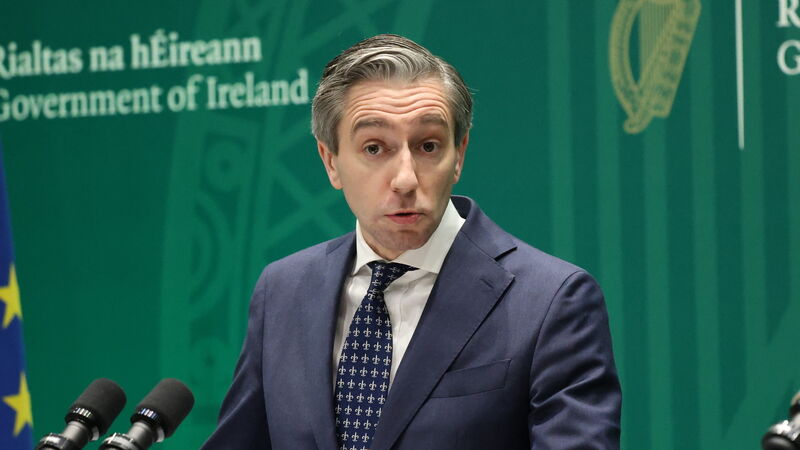
Finance minister Simon Harris has talked of the €170bn which savers have lying idle in low or no-interest accounts, money that could be put to better use by being invested. File picture: Stephen Collins/Collins
The much-anticipated Savings and Investment Forum convenes on Tuesday to begin considering what sort of savings/investment scheme might be devised to persuade Irish people to take some of their savings out of low-interest deposit and current accounts and invest in a way that would put their money to use, and give them some return on their money.
Not since the Special Savings Incentive Account (SSIA) scheme was launched 25 years ago has there been such interest in what we all do with the money we have left after the bills are paid. Back then, more than 1.1m people signed up for an SSIA, which allowed them save up to €254 a month with a guarantee of a tax-free 25% top-up by the exchequer after five years. As a mechanism for getting more people to save, it worked.
The story of Cork-born film producer Lelia Doolan, who begins a protest walk from Shannon Airport to Leinster House this week, is inspiring and will have caused many people to wonder how she could still be so active and engaged at the age of almost 92.
As reported on these pages on Saturday, Ms Doolan, who is protesting the use of the airport by US military, marked her 90th birthday by jumping out of a plane to raise awareness of the war in Gaza.
The report in the Irish Examiner about the poor state of the postal service in many towns across Co Cork will have chimed with householders and businesses across the country. The litany of complaints by local councillors, who say the service is “in meltdown” in their area, include tales of missed hospital appointments, important documents going astray, and delays in farmers receiving badly-needed cheque payments.
It is accepted that the volume of letters posted in Ireland and elsewhere has fallen off a cliff in recent years. The high speed and low cost of email, and other forms of near-instant communication, mean more people can stay in touch or conduct business without recourse to postal services.
CONNECT WITH US TODAY



Be the first to know the latest news and updates