Irish Examiner View: Martin faces political minefield during visit to Donald Trump
Irish Examiner View: Martin faces political minefield during visit to Donald Trump

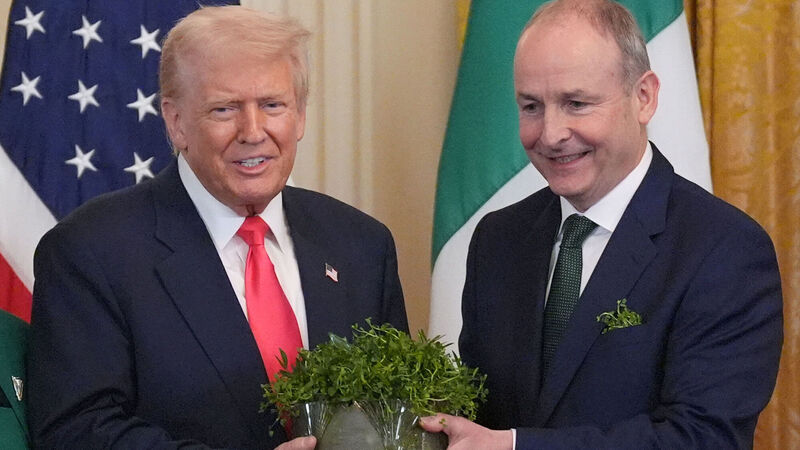
Taoiseach Micheál Martin with US president Donald Trump during the St Patrick's Day reception and shamrock ceremony in the the East Room of the White House in 2025. Picture: Niall Carson/PA
Tomorrow, in US president Donald Trump’s Oval Office, Taoiseach Micheál Martin will walk a political tightrope as he makes the St Patrick’s Day visit to the White House for the annual Irish American love-in, nominally intended to mark Ireland’s national holiday and toast our massive contribution to countries globally, not least the US.

This yearly opportunity for the Irish leadership to schmooze its American counterparts, wear the shamrock, and toast our patron saint by way of highlighting the huge impact the diaspora from these shores has had on life in America is one not taken lightly by those who have occupied the Taoiseach’s office.

For Martin, however, this year is very different to most others, as it occurs not alone as America is engaged in a vicious and unpredictable war with Iran, but as the Trump administration has upended political and economic norms and bristled loudly about our enormous tax-take from US corporations, Irish foreign policy stances, and our position on immigration.

Trump has sounded off at length on each of these topics and has not been particularly impressed by our failure — like so many others — to bow to his will.

He’s not mad either about determined Irish opposition to Israel’s actions in Palestine, which came with his blessing.

Add in the president’s finely honed sense of his own infallibility and greatness which causes him to lash out at those who don’t share his worldview.

All of which makes the Taoiseach’s visit to Washington a potential minefield from which he will be lucky to escape unscathed. Unlike historic visits by various taoisigh to Washington, characterised by general back-slapping and overt bonhomie, this one has the potential to have a real edge to it.

Martin has, bravely, said he is intent on articulating the need for a swift and peaceful resolution to the ongoing conflict in the Middle East, as well as Ireland’s abhorrence of innocent civilian casualties in this and any other war.

There is no doubt that Martin will not expect to get the deferential treatment past taoisigh have got in the Oval Office. He will have to be at his most politically astute if this is not to turn into a complete debacle.

Public right to raise concerns about drone deliveries

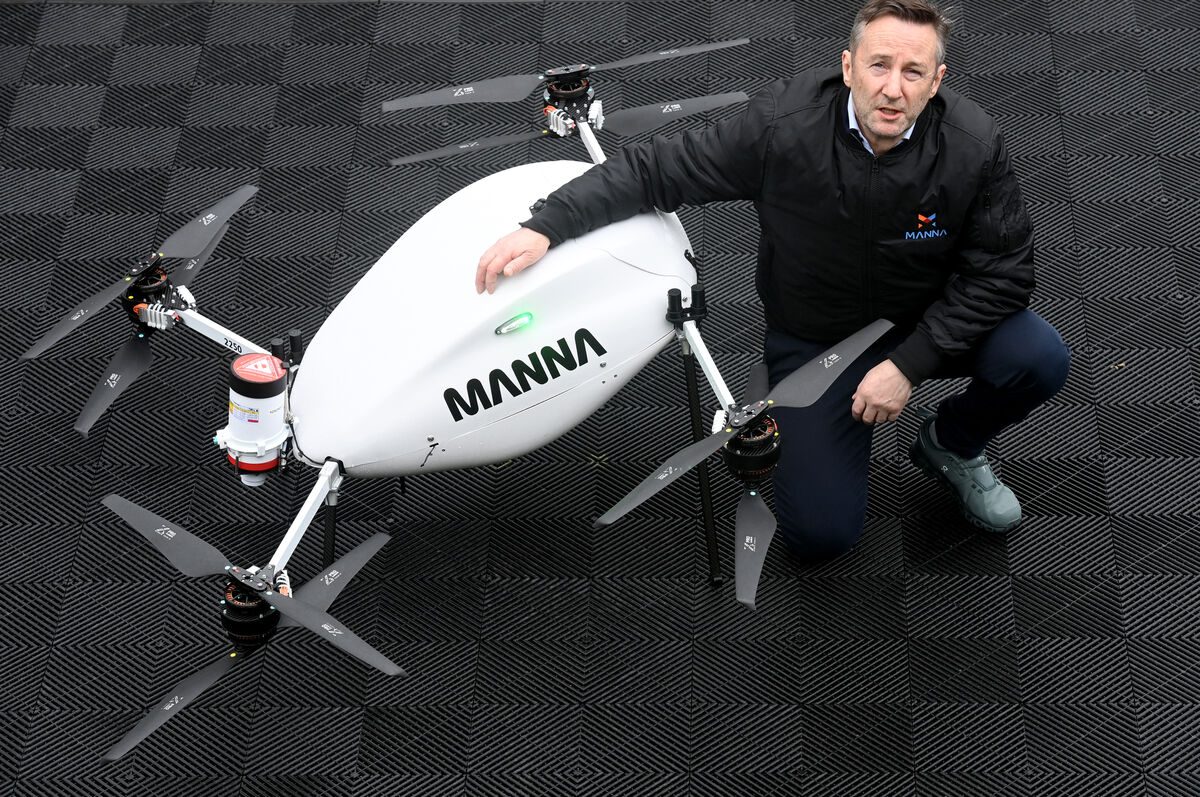
 Bobby Healy, founder and CEO of Manna Aero with a Manna air delivery drone. Picture: Larry Cummins
Bobby Healy, founder and CEO of Manna Aero with a Manna air delivery drone. Picture: Larry Cummins

Railing against the inevitability of change is all very well, but there are times when it is necessary to contain the foreseen effects caused by the march of technology.
It is good then that there have been as many as 200 submissions and complaints about the rollout of a drone delivery service in Cork City.

That number suggests that this campaign is not only gathering legs, but is far from being in the domain of the usual serial protesters and ‘Nimbys’.

As reported here at the weekend, Manna, the company behind the proposed drone delivery service, is already engaged in a pilot programme, and their airborne vehicles are a common sight in the skies over the city’s south-east suburbs.

Controversy has surrounded a similar rollout in Dublin 15 in recent months, where there is growing opposition to the company’s activities and substantial blowback to its planned expansion.

The public concerns in this instance are well warranted — citing mainly public privacy and noise pollution — and both Cork Corporation and the Irish Aviation Authority will have to tread carefully here in finding a balance between corporate ambition and local ambivalence.

This is a largely unregulated arena, and the authorities at the centre of this debate have to ensure that the wide array of issues associated with this proposal are fully explored before any approvals for the drone service are issued.

Authoritarian approach to US media

One of the central signature elements of any authoritarian administration is control of the media.

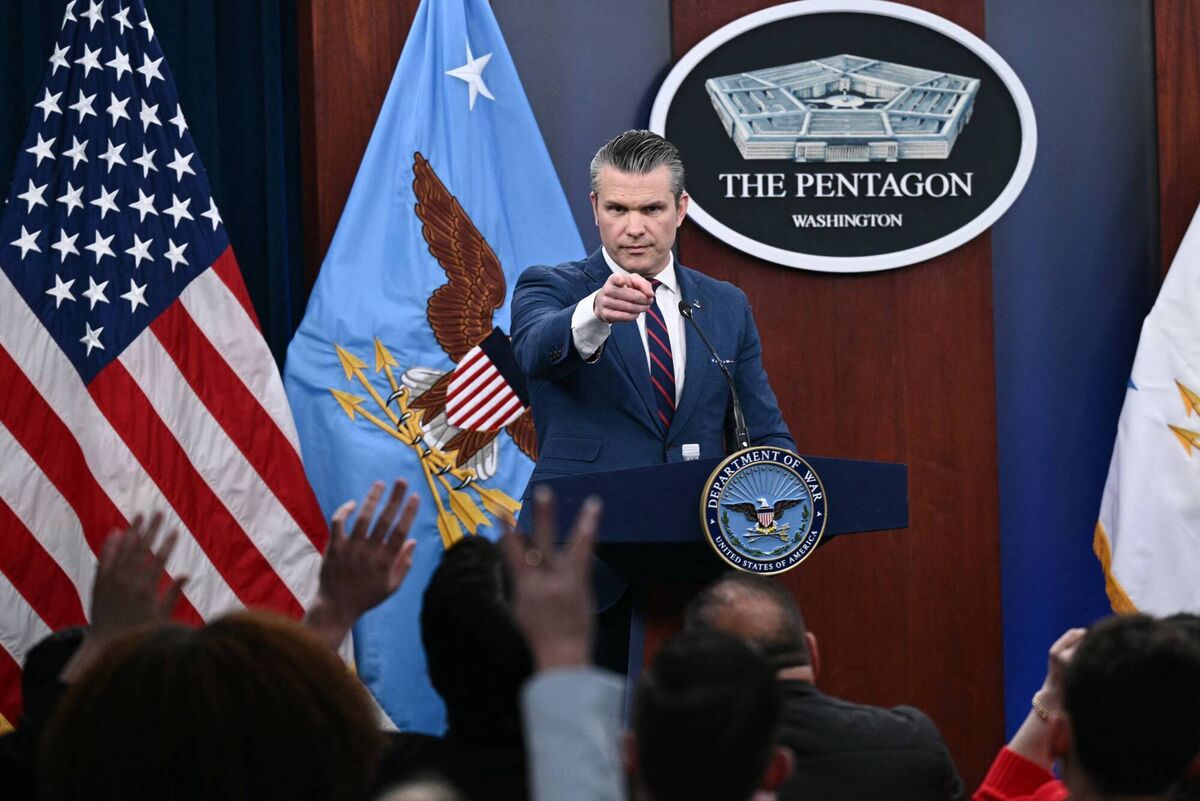
Pete Hegseth speaks during a press conference on US military action in Iran, at the Pentagon in Washington DC on March 2. Picture: AFP via Getty

That America is considering official sanctions against media organisations whose coverage of the war in Iran does not meet government demands is very worrying indeed.

The chairman of the federal communications commission, Brendan Carr, this past weekend threatened the revocation of government-issued licences if they run stories considered by the FCC as ‘fake news’.

Newspaper, radio, and television companies in the US have long revelled in their ability to produce adversarial and unflattering content.

It is something US president Donald Trump has consistently railed against, and the views of Carr, who is regarded as his media enforcer, have been slammed by both political and press freedom advocates as being ‘flagrantly unconstitutional’.

Tie all Carr’s threats in with the news this week that the US defence department has barred press photographers from briefings on the Iran war because they published “unflattering” photos of defence secretary Pete Hegseth, and the whiff of authoritarianism is obvious.

Hegseth, a former Fox News presenter, has persistently sparred with the press since being appointed at the start of Trump’s second term.

The antipathy between his department and the media peaked last October when dozens of journalists turned in their accreditation credentials after refusing to sign a policy prohibiting journalists from soliciting any information that was not government-authorised.

A legal case alleging that constitutional protections of press freedom have been usurped by the administration is currently before the courts and awaiting a decision.

Whatever the outcome, the policy of excluding photographers from official media briefings because officials did not like how published images portrayed them is inexcusable at the best of times, but in a time of war, unconscionable.

Of course, governments try to control information in times of crises, but to try to do so simply because you don’t like the media’s tone or imagery, smacks of fascism.

More in this section

Revoiced

Newsletter

Sign up to the best reads of the week from irishexaminer.com selected just for you.

Cookie Policy Privacy Policy Brand Safety FAQ Help Contact Us Terms and Conditions

© Examiner Echo Group Limited