Irish Examiner view: Keir Starmer in Cork: Building improved relations
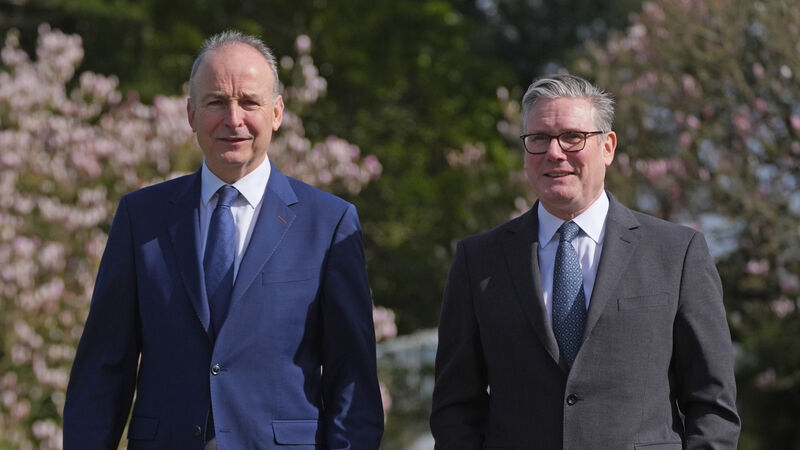
Taoiseach Micheál Martin and prime minister Keir Starmer walking in the garden at Fota House in Cork, following the UK-Ireland summit.
The British prime minister Keir Starmer has been visiting Cork for a UK-Ireland Summit, as residents will no doubt be aware given the strictness of some of the security precautions on Leeside.
The trip must have been something of a respite for Mr Starmer.
Controversies such as Peter Mandelson’s involvement in the Epstein scandal have damaged his government, and a recent by-election defeat is seen as a harbinger of more bad news for him in the upcoming British local elections.
Even Cork may offer the prime minister a reminder of his travails given his chief of staff, divisive Macrumpian Morgan McSweeney, had to step down when he, too, was embroiled in the Mandelson controversy.
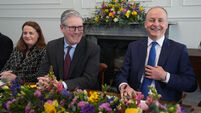
Perhaps Mr Starmer’s banter at dinner with the Taoiseach on Thursday evening might have been a relief, the two men joking about their countries’ rugby teams ahead of this weekend’s decisive action in the Six Nations.
However, current difficulties aside, this was also a hugely valuable opportunity for Ireland to build stronger ties with our closest neighbour.
Mr Starmer himself acknowledged this week that the relationship between the two countries was “not as good as it should have been” when Brexit put a particular strain on it, and the period since has been eventful, to say the least.
We have seen a host of challenges in the international sphere, ranging from the pandemic to the war in Ukraine and now the United States’s attack on Iran and the widening conflict in the Middle East.
Those issues underline the importance of a good working relationship with Britain.
It was surely no accident that Mr Starmer met with representatives from the likes of O’Flynn, SSE, Eirgrid, ESB, Centrica, and Atlantic Bridge while on Leeside.
The two governments also expressed support for the so-called ‘Philomena's Law’ to support survivors of mother and baby homes living in the UK.
The notion that a British prime minister might welcome a trip to Cork as relief from domestic troubles would have been seen as outlandish recently enough.
If such a visit improves our relationship with our nearest neighbour at a time of global uncertainty then it surely must be welcomed.
Getting an accurate picture of the extent of the homelessness and accommodation crisis can be challenging simply due to the numbers involved.
The fact that the total number of people without homes in Ireland is greater than the population of either Killarney or Leixlip certainly brings home the extent of the crisis.
Now a report from the tenants’ advocacy charity Threshold illustrates another aspect of the crisis.
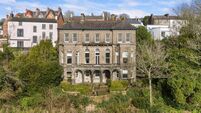
It has found that there are at least four times as many Airbnbs available for short-term rental as full-time private rental properties nationwide: 8,600 versus 2,100.
To complicate matters further, those short-term rentals are not distributed equally around the country.
In Kerry, for instance, there are 1,009 short-term rentals compared to just 33 homes advertised for rent — a ratio of 31:1.

In Clare, that ratio is 28:1, while in Donegal, Mayo, and Leitrim, the ratio is 24:1, 14:1, and 12:1 respectively.
Even allowing for the fact that some of the counties named are heavily dependent on tourism, those figures are astonishing.
In real terms it means there is practically no long-term rental accommodation available in those areas.
Clearly, this shortage of housing has the potential to hollow out many rural areas and leave them as wildernesses.
People who cannot live in such areas clearly cannot work there, which has implications for employment and for locating industry in those areas.
That in turn has an adverse effect on local retail, school enrolment numbers, voluntary clubs and organisations — the downstream impact of this shortage becomes a serious threat to the essential sustainability of many communities.
Many of the holiday homes used as AirBnBs may not be used for long stretches of the year, which means accommodation lies empty while people are struggling for long-term housing. The irony here only compounds the sense of frustration.
Threshold chief executive John-Mark McCafferty said the report showed that “every policy lever available” needs to be used to address this problem. We have heard such calls before but the situation continues to deteriorate.
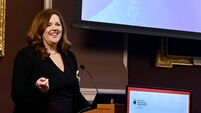
Mary Crilly, founder and chief executive of the Sexual Violence Centre Cork, is to retire this summer after over 40 years’ service.
Ms Crilly founded the service as the Cork Rape Crisis Centre in 1983 in the Quay Co-Op building.
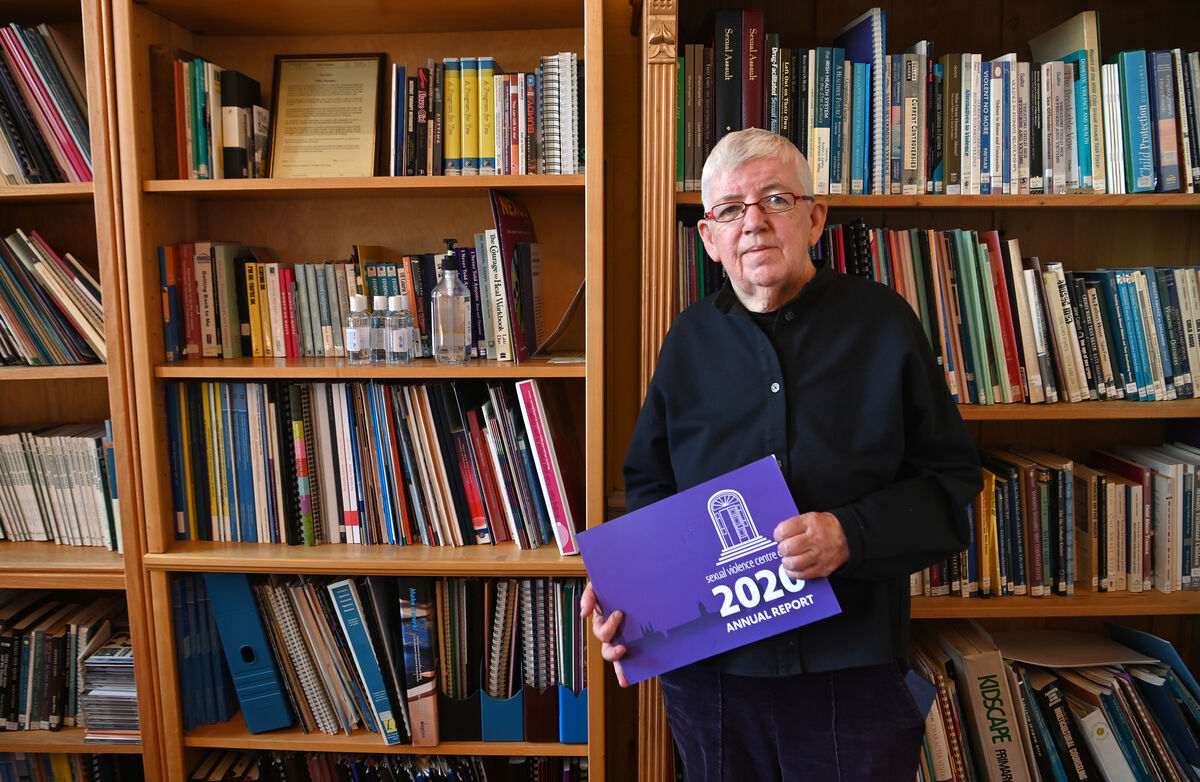
The Cork City of that era was not particularly welcoming to her efforts, and in the past she has said the centre was treated with suspicion by people in the clergy, in City Hall, and in An Garda Síochána.
Times have changed considerably since then.
Now a Garda superintendent sits on the centre’s board and it is rightly seen as a hugely valuable asset to the city.
Ms Crilly received the Freedom of the City in 2022 and was saluted recently by Taoiseach Micheál Martin for her “extraordinary commitment to women in Ireland, and particularly in Cork, and for being a pioneer in establishing services to support victims of sexual abuse and rape”.
It is encouraging that attitudes and awareness have developed in the last four decades, and Ms Crilly deserves huge credit for her unstinting work both with victims of sexual violence directly and also in helping to change those attitudes in society.
She has certainly done the State some service.
CONNECT WITH US TODAY



Be the first to know the latest news and updates