Irish Examiner view: Mairead McGuinness's story highlights the value of rest and recuperation
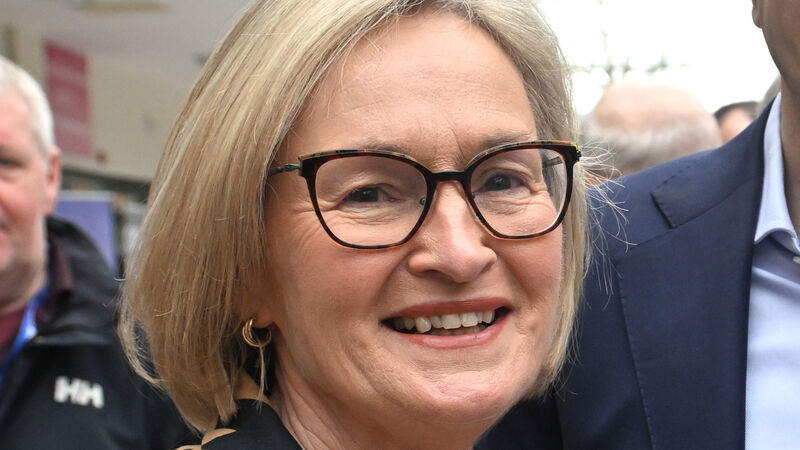
Then European Commissioner Mairead McGuinness at the 2024 Fine Gael ard fheis in Galway. At the weekend, she told Brendan O'Connor on RTÉ Radio 1 about the illness that forced her to drop out of last year's presidential election. File picture: Dan Linehan
Former European Commissioner Mairead McGuinness revealed at the weekend that the illness which caused her to drop out of the presidential race last August was severe post-viral syndrome.
The debilitating condition left her physically drained, unable to sleep, and emaciated. The medical advice was for her to lie on the couch and do nothing for up to eight weeks.
Yet her decision to withdraw was not an immediate one; for a time, she thought she could recover and throw herself into the fray by late summer.
A combination of circumstances — the death of a friend, a hospital stay, and expert advice that she take complete rest — led to taking the break that would, fortunately, lead to the restoration of her health.
Ms McGuinness’s story raises interesting questions about our attitudes to taking time to recover from illnesses, to rest, to recuperate, and to give ourselves over to what used to be called convalescence. How often do we now hear people say they are convalescing after a ’flu, an infection, or some other bout of illness? Or that they are taking things easy for a while to get fully ‘over’ an illness?
Isn’t it more likely that, as soon as the symptoms clear and the medical treatment stops, we expect people — ourselves and others — to bounce right back into work, family activities, exercise, and whatever else constitutes ‘normal’ life?
Few people want to give any indication that they are vulnerable or lacking in resolve to get back to giving 100% as quickly as possible. And still, we act surprised when we
relapse or feel off form weeks after we’re supposedly cured.
Modern medicine can now treat many illnesses for which there was previously no cure, and for that, we are immensely grateful. However, in relying on medical intervention alone, and ignoring the piece that comes afterwards — the rest that aids recovery — we are making a serious mistake.
In his book, , Scottish GP and author Gavin Francis makes a strong case for the part that convalescence should play in modern medicine — a case with implications for how doctors practise and how patients embark on recovery. People need to give their bodies and minds an opportunity to grow back after illness.
Reviewing the book, Irish author and psychiatrist Brendan Kelly says that every generation thinks they are too busy to have time for rest or convalescence.
The current generation blames endless workdays, over-scheduled leisure time, and the pressures of modern technology.
He rejects these excuses, and argues that the real reason is that we have never really given convalescence the attention it deserves, or reflected on the miracle of recovery.
Perhaps it’s time we did.
In recent weeks, governments and regulators have taken social media giants to task over dangers posed, particularly to children, by their products. Individual countries are threatening, or have already imposed, restrictions on social media behemoths.
It is appropriate that action is being taken at this level against these corporations to protect young people.
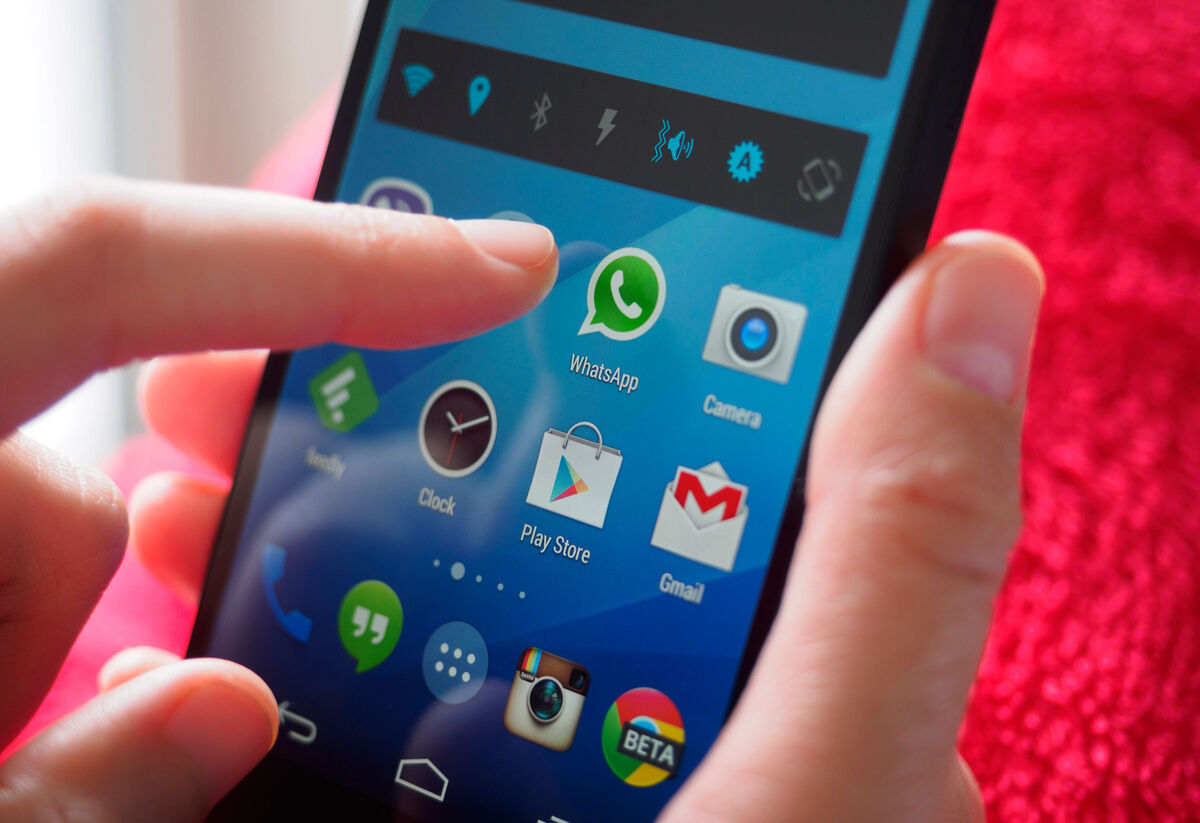
However, as adults, we can’t evade our individual responsibility for tackling our own, often-unhealthy relationships with our smartphones.
It is less than 20 years since smartphones became widely available in this country. The advent of the big social media platforms, like Instagram and TikTok, is even more recent; no one over the age of 35 can reasonably claim to have had their young minds captured by technology.
Yet, a huge number of Irish adults admit to being unhappy with their phone use. Some 70% admitted in a 2025 survey that they spend too much time glued to their devices, almost half say they use them during meals, and three quarters say they reach for the phone first thing after waking up.
We can’t realistically ditch our phones, which are now central to our lives, and we can’t wait for someone else to save us.
But we can take back control.
If we’re unhappy with our relationship with our phone, the first thing we might do is an honest assessment of how much time we spend on it — most phones provide helpful information on our usage and screen time. It is also possible to set limits on time spent on individual apps, and switch off those alerts that grab our attention when we’re doing something else.
The most important action, though, requires no technological help — decide when to pick up and put down the phone, and do it.
That most American of institutions, the Super Bowl, has seen a remarkable surge in popularity on this side of the pond in recent years. The show — for it is about a lot more than a football game — will have been viewed by thousands at organised ‘watch’ parties all over the country.
The NFL’s targeted international expansion has played a part in the growth in interest here, with Dublin hosting its first official regular-season game last September.
The game itself does not compare favourably to a half-decent hurling or football match — there is nothing like the speed, skill, and athleticism that we expect from our native sports. Moreover, it does go on quite a bit — about four hours.
But if the game itself is not particularly satisfying, the spectacle of the entire show is hugely entertaining.
It is likely that many viewers outside (and possibly within) the US knew more about the half-time act than the competing teams in the run-up to the game.
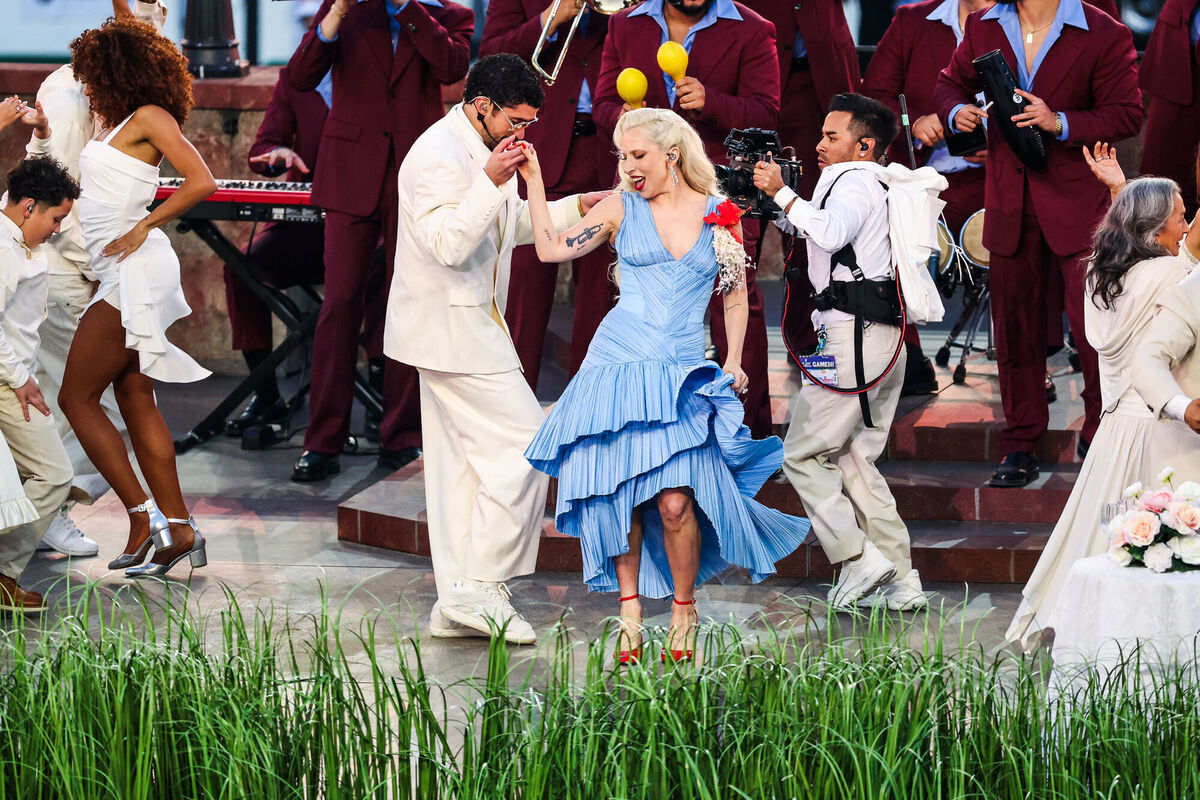
The much-hyped headline act, Puerto Rican singer Bad Bunny, did not disappoint. His performance, an exuberant celebration of Latino culture sung mainly in Spanish, was quickly described by American commentators as political, but it was also widely praised.
Some may have viewed the performer’s message, “the only thing more powerful than hate is love”, as vaguely subversive. It is a welcome message to emerge from the US and the extraordinary cultural phenomenon that is the Super Bowl in these difficult times.
Read More


CONNECT WITH US TODAY



Be the first to know the latest news and updates