Irish Examiner view: Social media is a public health issue
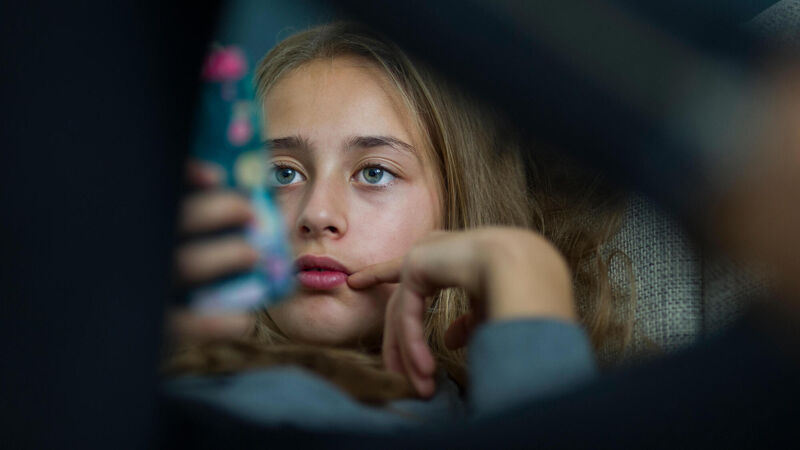
Among the many worries we have about what young people see online is the link between social media and eating disorders, as reported in the 'Irish Examiner' this week.
The temptation to solve the social media problem as it pertains to our children with a simple ban is understandable.
Parents are exhausted. Schools are firefighting. Psychologists are watching the same patterns repeat in younger and younger children: Anxiety, sleep disruption, compulsive checking, and a relentless sense of social pressure.
When other countries announce restrictions for under-16s, it can feel like at last someone is doing something decisive.
But decisive is not always the same as effective.
In the last few days, the Oireachtas committee on children and equality has been hearing from children’s rights advocates, researchers, and experts as it continues its work on online safety.
That matters, because the Irish debate is beginning to mature in a useful direction: Away from a moral panic about screens, and towards a public health understanding of what these platforms do, how they are designed, and where responsibility truly lies.
It is not children who engineered the infinite scroll. It is not teenagers who built engagement algorithms that learn, with cold efficiency, what keeps users anxious, outraged, or hooked. And it is not families who decided that the safest version of the internet should be an optional add-on.
If we frame social media as a public health issue, we can stop pretending there is a single switch to be flipped.
Public health interventions are layered.
They involve education, support, regulation, and accountability for industries that profit from harm.
They also accept that clumsy solutions can backfire. Overly rigid approaches — especially those driven by automation — can block legitimate content, cut off peer support, and push vulnerable young people towards darker, less regulated corners of the internet.
One of the most urgent and under-discussed links is between social media and eating disorders. Clinicians report rising rates of body dissatisfaction and disordered eating among adolescents, with patterns increasingly shaped by the visual culture of platforms.
Filters, face-tuning, 'before-and-after' transformations, and AI-generated bodies do not simply encourage vanity; they distort reality.
They create an environment where the baseline for “normal” is a manufactured image.
The danger is not only the content children see, but the way they learn to see themselves.
A teenager scrolling through thousands of perfected images is being trained, by repetition, into comparison. Anxiety thrives in that space. It is born from the sense that everyone else is happier, thinner, wealthier, more loved — and that any failure to keep up is a personal deficiency.
Social media does not merely reflect society; it edits it.
It curates what is visible and what is rewarded. It blurs the boundary between real and synthetic, especially now, as AI-generated images become harder to detect. It tells children, implicitly and constantly, what is worthy of attention and what is worthy of shame.
That is why the primary burden cannot be placed on parents alone, or on teenagers expected to outsmart billion-euro behavioural design.
Regulation must force platforms to build safety by default, not by public relations.
We can, and absolutely should, protect children online.
But we should not settle for symbolic gestures, either. The problem is structural. So, then, must the solution be.
There has been nothing triumphalist about the beginning of Catherine Connolly’s term as president.
No rush to dominate headlines, no appetite for constant visibility, no sense of a new presidency determined to perform itself into existence. In another era, that might have been read as an absence. In this one, it may be the first sign that President Connolly understands the moment she has inherited.
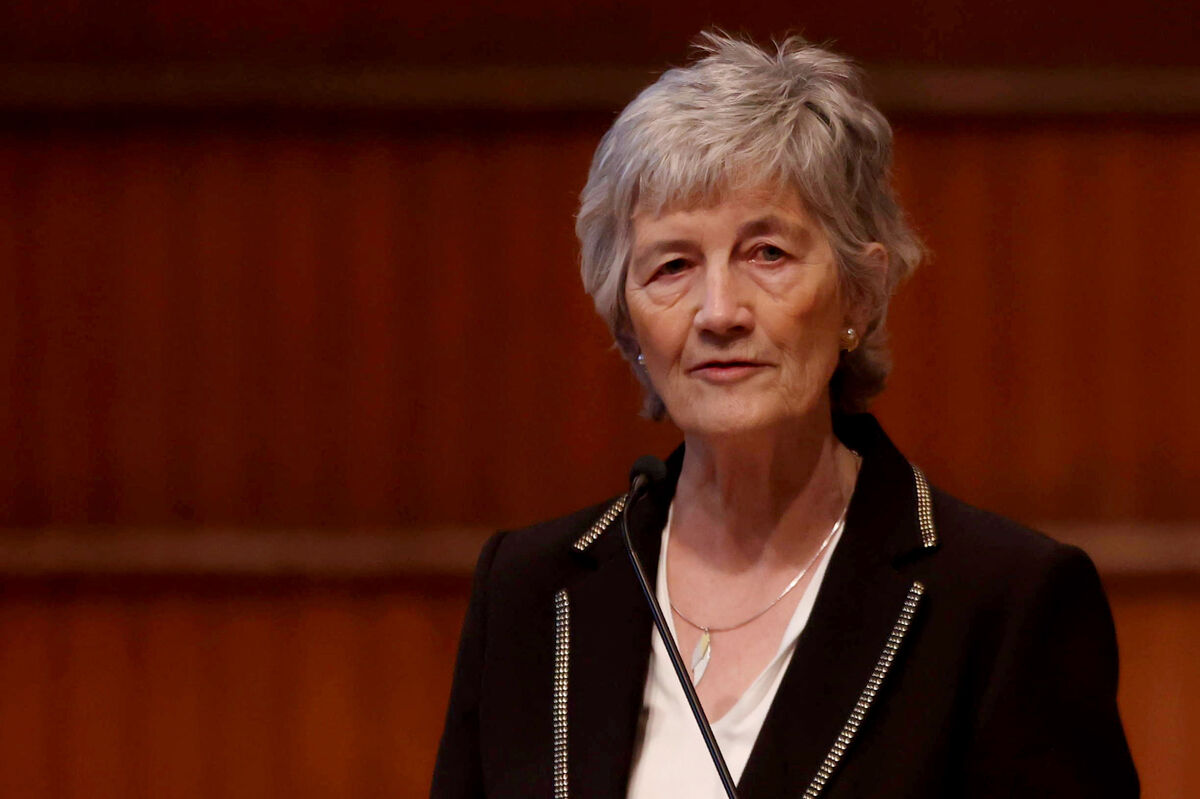
The presidential election that brought her to Áras an Uachtaráin was a polarised and, at times, sour affair. Much of that tone was not of her making, but it formed the backdrop against which she must now lead — leaving many voters browbeaten by performative politicking and weary of politics conducted for the camera rather than the common good.
Against that mood music, restraint can read as a kind of intelligence.
The President’s first official visit — to the North of the island — was a quietly purposeful starting point. It signalled seriousness about the symbolic responsibilities of the office and a willingness to begin with what unites rather than what inflames.
Beginning with reconciliation and connection was a reminder of what the presidency can be at its best: A steadying influence, not a megaphone.
It is also noticeable how media-shy the new President has been since taking office.
From a newspaper’s standpoint, that is not uncomplicated. The presidency is a public office, and there is a legitimate expectation of communication and accessibility.
But the bruising tenor of the campaign also earned her some space to be discerning — to speak when she has something to say, rather than because the news cycle demands a fresh clip.
Seven years is, after all, a marathon, not a sprint. If President Connolly’s first steps are quiet, they are not necessarily hesitant. They may simply be wise.
The British National Theatre’s staging of JM Synge’s in London has attracted audiences who may never have sat on a high stool before.
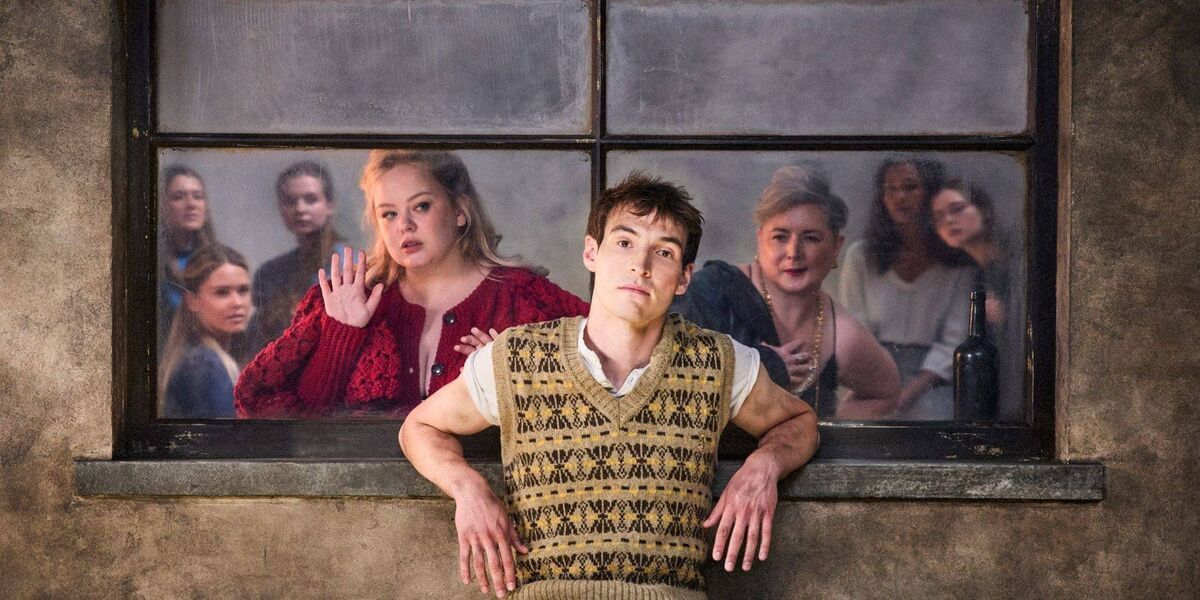
Nicola Coughlan, Siobhán McSweeney, and Éanna Hardwicke are, between them, a formidable lure.
But the real pull is Synge’s enduring insight into how communities, especially those worn down by hardship and monotony, can become desperate for a hero — any hero — and how easily story matters more than truth.
That hunger is at the heart of : The intoxicating thrill of a figure who appears to have broken free of ordinary life, and the collective willingness to suspend disbelief in order to believe in something larger than themselves.
It is funny, unsettling, and uncomfortably recognisable.
Over a century on, the play still speaks to the modern condition — a world where reputation is built in an instant, where myth outpaces fact, and where the appetite for saviours can turn quickly to suspicion and rage.
Synge’s genius was never nostalgia, it was stone-cold clarity.
Read More

CONNECT WITH US TODAY



Be the first to know the latest news and updates