Irish Examiner view: Blackwater fish kill is nothing short of an ecological disaster
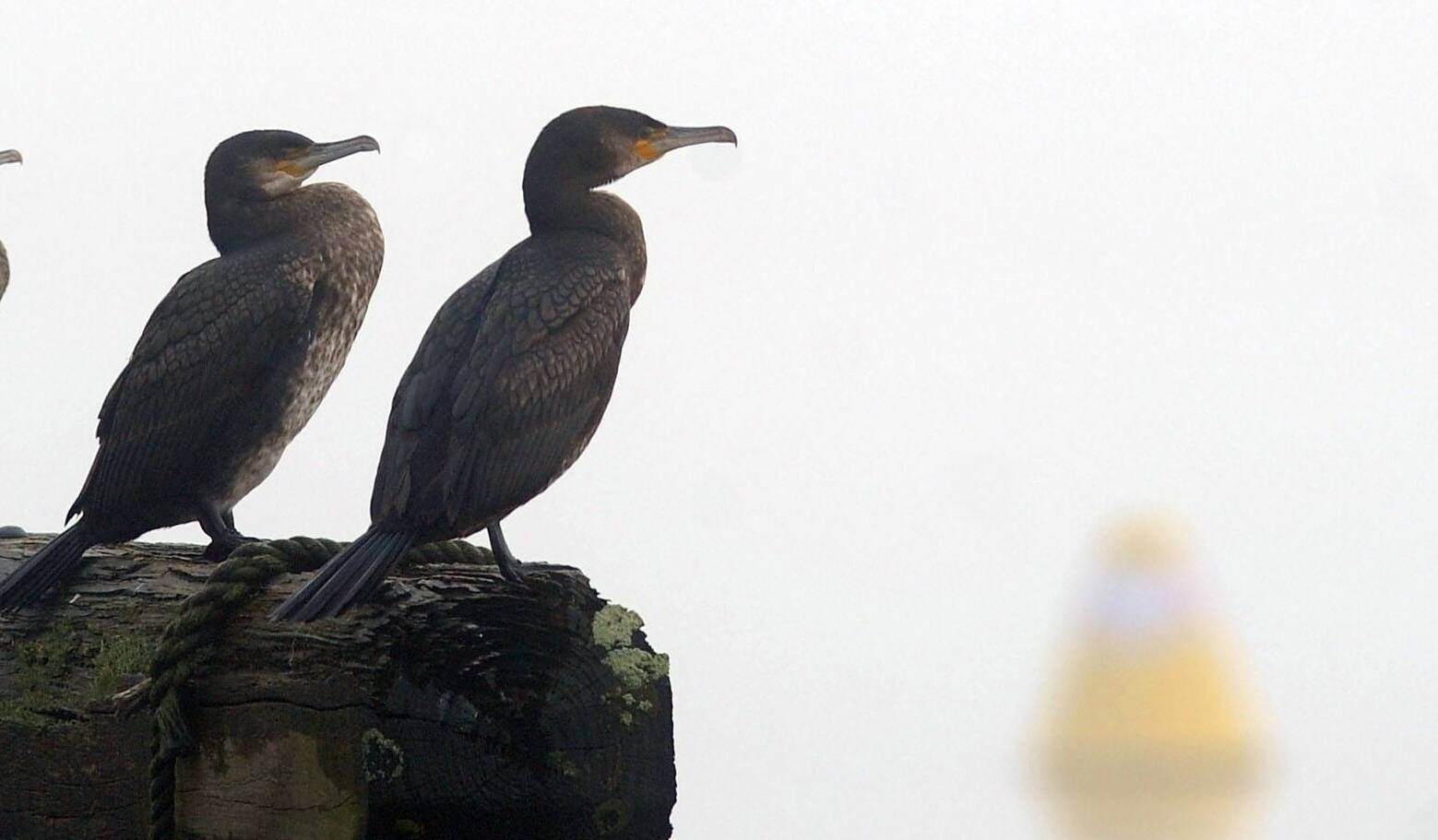
Amid the fish killed in the Blackwater — which flows from Kerry into Cork and on to Waterford — there are now reports of atypical behaviour by other species including cormorants. File picture: Des Barry
Yesterday, this newspaper carried more dispiriting news from North Cork, where the large-scale fish kill first reported here last week has devastated several rivers in the area.
Thousands of fish — mainly brown trout but also salmon — have died in the Blackwater, Clyda, and Awbeg rivers, and while Inland Fisheries Ireland (IFI) has estimated the total number of fish killed as between 8,000 to 10,000, local anglers believe the number to be far higher.
Angling clubs in Mallow, Lombardstown, and Killavullen came together to estimate how many fish have died in the Blackwater and its tributaries since August 12, and they estimate that up to 46,000 fish may have been killed over a 30km stretch of the river from Roskeen Bridge in Lombardstown to Killavullen Bridge.
Whether IFI or local anglers are accurate, we are still dealing with thousands of fish being killed in an environmental catastrophe.
This is a terrible blow to local tourism, but more importantly, it shows how vulnerable many of our delicate ecosystems are.
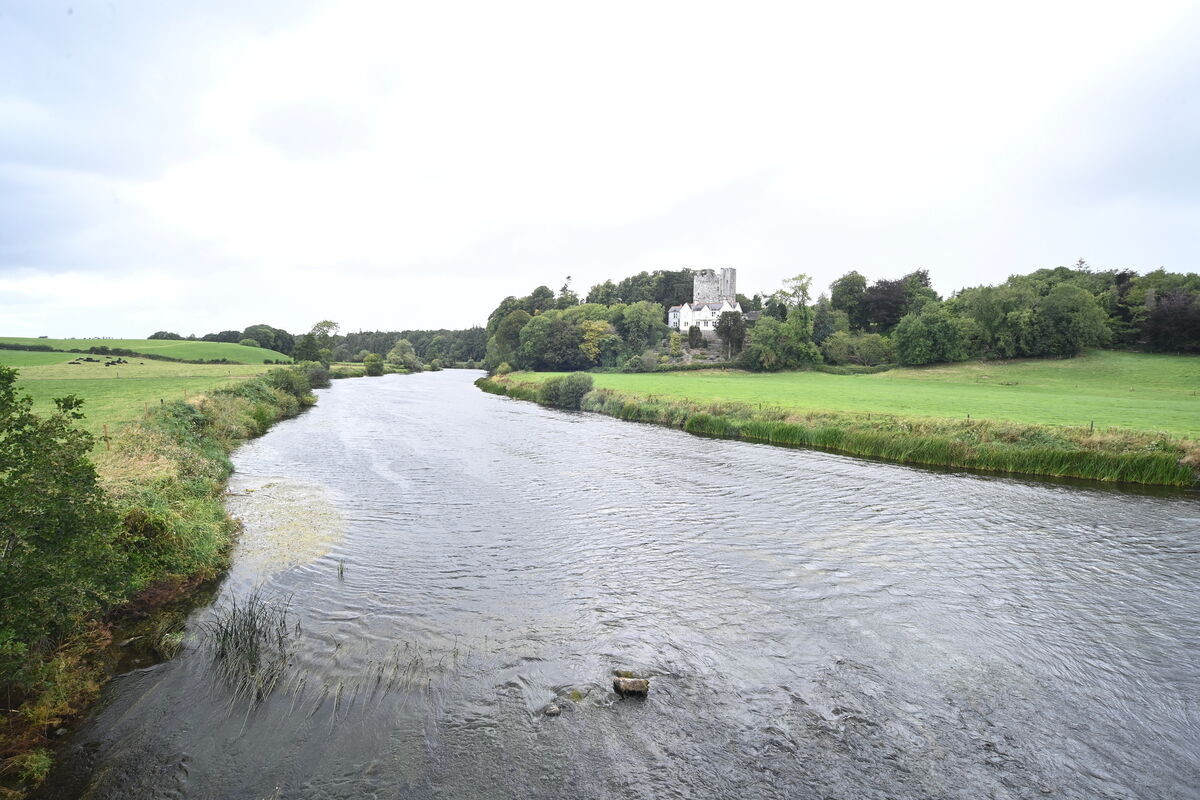
We also know blows to ecosystems such as this are not only difficult in their immediate aftermath, but that it is often a long and difficult process to restore such environments to full health after such a setback.
Waterways in this part of the country have not been served well recently — let down in particular by Uisce Éireann, which was fined €3,500 last year after it pleaded guilty to one of three pollution charges in the wake of a chemical spill in the River Allow.
There is no evidence yet of a spillage in this case, but what should be a serious concern is the fact that the Marine Institute has indicated it will take at least three weeks before results of water tests in the area will be known.
It is surely unsatisfactory that those living in these areas have to wait three weeks to learn what has killed thousands of fish in their local rivers, or whether further fish kills can be expected. A wonderful natural amenity is at risk here and more urgency would surely be welcome.
The latest efforts to resolve the ongoing conflict in Ukraine swerved into the extraordinary earlier this week in Washington DC.
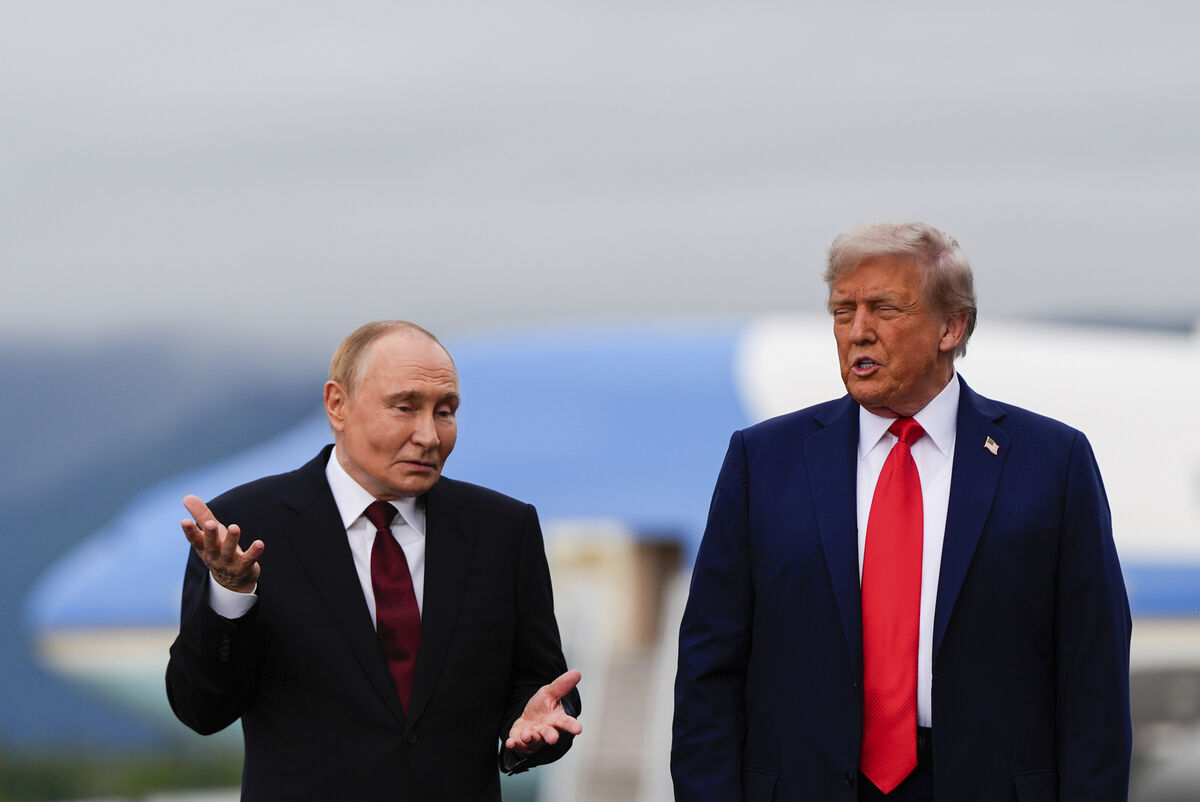
Before discussing the headline news from this week — the possibility of face-to-face talks between Russian president Vladimir Putin and Volodymyr Zelenskyy, president of Ukraine, as suggested by US president Donald Trump — we should reflect on the context.
It might be easy to be distracted by discussions of the Ukraine president’s black suit, or contributions from various handmaidens in the so-called press corps Mr Trump hosts in the Oval Office, but that is to miss the point.
This was no ordinary meeting, or series of meetings. The heads of several European nations, the secretary general of Nato, and the European Commission president flew across the Atlantic at very short notice to ensure their presence. This unprecedented action signals the scale of the security threat we are facing in Europe.
When we consider the consensus that Mr Putin had the upper hand in his meeting last week with Mr Trump in Alaska, the sense of threat only deepens, because there is now a real possibility that Mr Putin will sit down with Mr Zelenskyy and seek swathes of Ukrainian territory in order to reach a peace settlement.
The broad message this gives to authoritarian leaders everywhere is that killing tens of thousands of innocent civilians in a country you have invaded entitles you to a seat at the negotiating table. The specific message being sent to countries in Europe is a simpler one: If Mr Putin can annex large tracts of Ukraine today, what will he want tomorrow?
This is a significant threat to all of Europe, but the countries directly to the west of Russia can obviously be forgiven for a heightened sense of nervousness, one which is not tempered one iota when we consider Mr Putin’s track record.
An accurate summary of the situation has been offered in recent months by the leaders of eight Northern European and Baltic states, UK prime minister Keir Starmer, and EU high representative for foreign affairs and security policy Kaja Kallas in turn, all of whom have made the same point.
Mr Putin cannot be trusted.

Yet it still draws a crowd to the north Kerry town every August, and remains a reliable ratings winner for the State broadcaster. Whether the event is a retrograde step for women and a throwback to a more sexist age, or an acknowledgement of Irish womanhood in all its variety, will depend on one’s own opinion.
It should be acknowledged, however, that the Rose of Tralee shows no sign of slowing down; it has long outlasted Father Ted, for instance.
Perhaps a better comparison would be the Eurovision Song Contest, where an ostensibly outdated format has proved irresistible to a new generation of ironists. And retained all its old fans to boot.
Read More


CONNECT WITH US TODAY



Be the first to know the latest news and updates