Irish Examiner view: Food price cuts should be on the table in Budget 2026

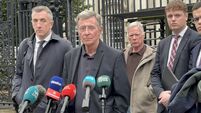
Between Wednesday's CSO report and a Barnardos survey earlier this month, it is clear that Irish families are struggling to put food on the table amid the cost-olf-living crisis. Stock picture
Normally, a second-place finish is a cause for celebration, bringing with it a silver medal, perhaps.
Ireland being the second-most-expensive country in Europe for food is no such situation.
Citizens have long complained about prices here, usually with some justification. But having the black-and-white statistics to prove it is, strangely, validating and disheartening at the same time.
Some 40% of parents in a recent Barnardos cost-of-living survey reported reducing or cutting their own meals so their children could eat, with slightly more than 40% of families cutting back on things like food, energy, and heating just to keep pace with bills.
Food price increases have been double the rate of inflation, which itself is no small obstacle to families struggling to stay afloat.
It’s not as if the money is necessarily going to the producers, because Irish farmers are seeing, for instance, the lowest grain prices in 40 years.
Either way, the sort of disparity found by Barnardos should not exist in a developed nation.
And yet the Government has, to date, ruled out any one-off measures to address the cost of living, with the electricity rebate of the last few years (welcomed by many struggling families) not due to be repeated in this October’s budget.
Does this make the Government tone deaf, or does it have some other initiative up the Cabinet sleeves that will tackle the cost of living on a more durable basis?
As things stand, there is a €1bn plan to reduce the cost of Vat for the hospitality sector, which, in turn, takes any real scope for tax adjustments elsewhere in the economy. The Irish Congress of Trade Unions has described it as economic vandalism, given that the sector is growing and not stagnating.
This may or may not be hyperbole, because a great many businesses are under pressure due to soaring costs, but it does emphasise that the Government seems to have taken its eye off the ball when it comes to the most pressing issues affecting the electorate.
With pre-budget submissions already being made and with more to come, it remains to be seen if the Government will change course to give the people not just what they want, but what they need.
The destruction of the Nova Kakhovka dam in Ukraine in 2023 not only obliterated a vast area of land but deprived 1m people of drinking water.
Russia, as one might expect, denies being behind the explosion, which just happened to occur during its illegal invasion of the country.
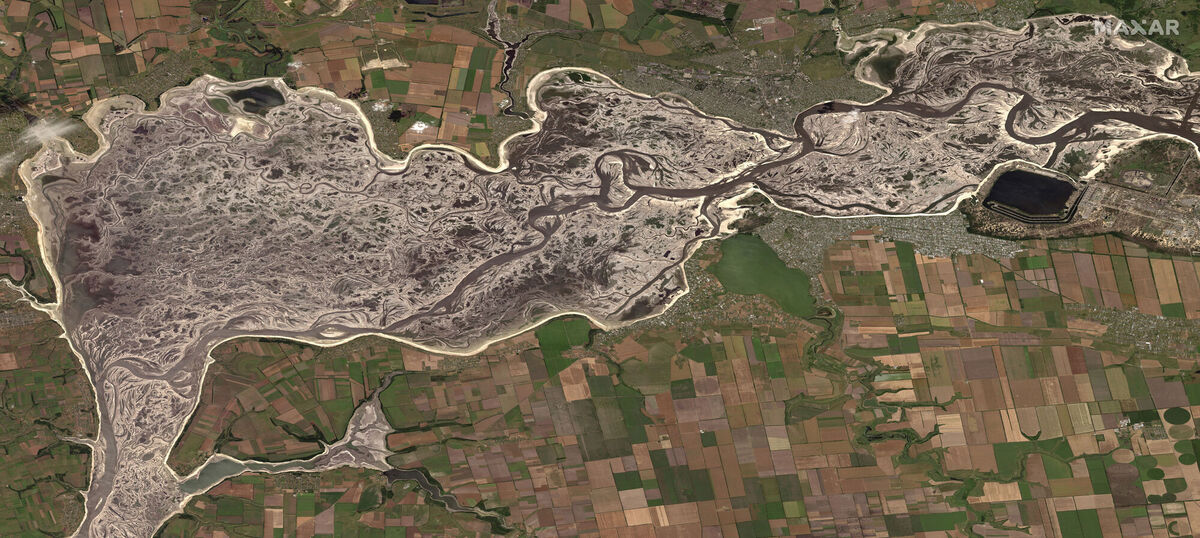
Yet from that ruin and weaponisation of natural resources, an unexpected ecological fairytale has emerged. As the report in today’s edition notes: “The drained reservoir is now home to dense growths of willow and poplar and enormous wetlands; endangered sturgeon have returned to waterways; wild boar and mammals to the forests; and there are signs of spontaneous regeneration across a huge stretch of floodplain.”
To attempt to visualise it, imagine an area just a little bigger than Co Kilkenny was under water, then became forest and marsh within just a couple of years.
No human effort has gone in to this — by all accounts it is a natural regeneration, even if the area is contaminated by heavy metals and other pollutants that could well leach into the soil.
Ultimately, nature cares not whether humanity thrives or dies. What the reservoir shows is how quickly nature can reclaim what we relinquish, and how it will go on in some form.
The difference to, say, how the jungle retook and buried Mayan cities is that this one has happened in our own lifetime. If more of our species could comprehend the scale, perhaps we might make it out of the climate disaster in better shape.
One would not normally think of “Michael O’Leary” and “nuclear power” in the same mental breath, but his comments this week have brought them together.
Commenting on the National Development Plan, in among his jabs at the Government’s capabilities to spend the money wisely and his lack of faith that the Dublin Airport metro would be used, he suggested that some of the money should be used to build a nuclear power plant.
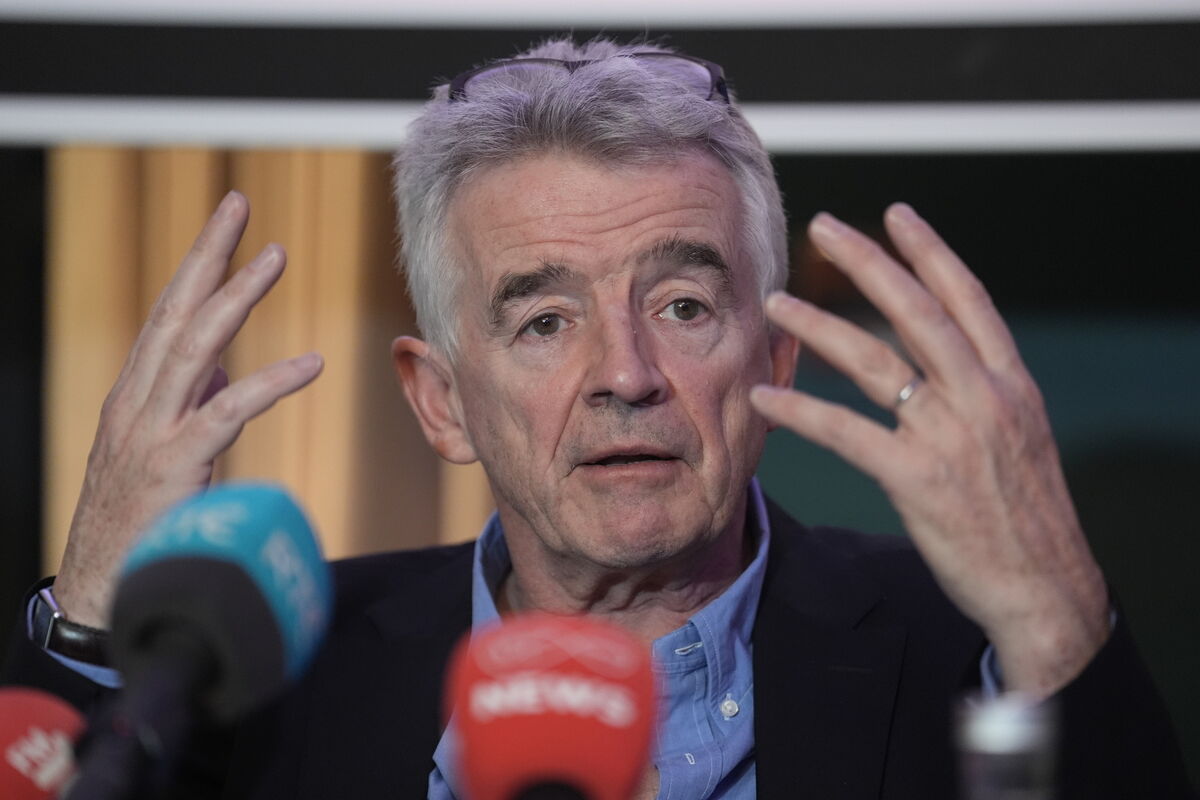
While O’Leary has form for eye-grabbing, pithy statements, sometimes seemingly said without forethought, in this case there was logic: Energy independence.
Ireland imports electricity from the UK, which is building a series of nuclear plants, and will soon import power from France, which has several.
Much of our development capacity depends on this imported power, and data centres already make up some 20% of the country’s usage.
Ireland stopped using coal for power just last month, and we no longer have any peat-fuelled plants, though gas and oil are widely used. Still, while renewables make an increasingly welcome proportion of energy generated here, we will always need contingencies. Mr O’Leary said:
Many sound reasons have been advanced for not having nuclear power in this country, not least on the back of our relationship with the victims of the Chernobyl disaster.
The price shock that came with Russia’s invasion of Ukraine and the associated restrictions put on imports of Russian gas show that we can never take anything for granted. Has the time, then, come for a formal commission to consider a nuclear power plant in Ireland as part of a long-term overall energy strategy?
Read More
CONNECT WITH US TODAY



Be the first to know the latest news and updates