Irish Examiner view: Limerick hospital failure brings shame on every person responsible
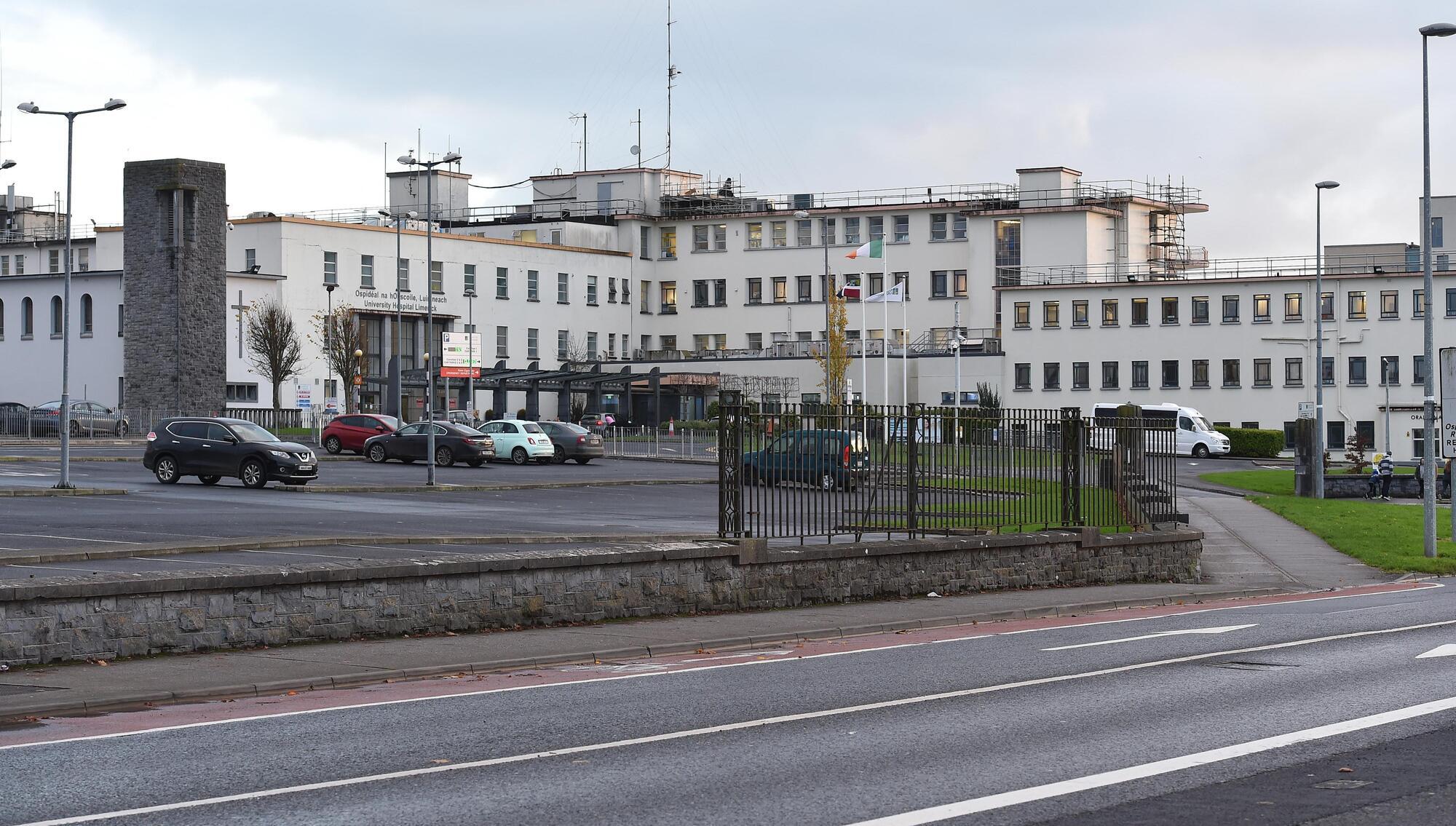
Irish Examiner health correspondent Niamh Griffin comprehensively summarised the continuing catalogue of failure at University Hospital Limerick. Picture: Dan Linehan
The gaping wound on the reputation of mid-west Ireland’s emergency services and care provision opened up many years ago. It shows no more sign of healing than it did in 2009.
The scandalous catalogue of service failure was comprehensively summarised by our health correspondent, Niamh Griffin, in Saturday’s newspaper under the headline ‘UHL Crisis: “Appointments cancelled, no replacement date given, does Limerick Hospital even care?”’
These were comments raised by patients. But they fall within the standard definition of a rhetorical question, or indeed a question to which everyone already knows the answer.
It is worth recalling that a major part of what has happened in Limerick is the consequence of a health service reorganisation which many people never wanted and just as many prophesied would end in chaos. Proposed changes were underspecified, missed their delivery targets, and did not reflect increased demand.
Back in 2003, the emergency department (ED) at what was then known as the Mid-Western Regional Hospital was supported by smaller units at Ennis, Nenagh, and St John’s Hospital. Alterations were made, and closures were accelerated before the appropriate levels of new resources were in place. The specification was never likely to meet future growth requirements.
This reality had to be acknowledged by Health Minister Stephen Donnelly on the occasion he was asked about the outcome of the inquest into the death of 16-year-old Aoife Johnston at Limerick Hospital’s emergency department in December 2022.
The reconfiguration of the ED services in the counties of Clare, Limerick and Tipperary was “not done correctly”, said Mr Donnelly.
Other ED services in the region were shut before the significant extra investment required for UHL was made. It is necessary to remember the mood of the times when those closures were mooted. Ireland was in a deep financial crisis. We had just implemented a series of emergency fiscal actions which the described as “the budget from hell”.
The IMF tartly observed that Ireland was paying more than any other economy to rescue its banking system; it is sobering to look back and realise again the crisis in health care provision is rooted in premature decisions which were being rushed through. At that time we noted that the proposed closures had the capacity to change lives for the worse. These, and other reductions in health provision, were, we said, an indicator of a society staggering towards the abyss.
Taxpayers have suffered a great deal to help recover our financial position. But matters at Limerick are a very long way from resolution and additional resources won’t solve governance issues. With Hiqa due to publish the terms of reference of its review into ED capacity soon and a general election looming, this unfinished business from the death of the Celtic Tiger continues to bring shame on every responsible politician and executive.
Attention has been focused on the disturbing growth of mental-health problems among young people and a system that is incapable of stemming the tide.
But while the problems of the Child and Adolescent Mental Health Services (Camhs) have been well ventilated, another issue runs the risk of going under the radar.
A massive new survey concludes that women are more than twice as likely to develop bipolar disorder — an illness that used to be known as manic depression — in the years leading up to their final menstruation.
The perimenopause, which can last anything from a few months to a few years, happens when a woman has symptoms of menopause —such as anxiety, mood swings, and brain fog — but still has a period.
A study of 128,294 UK women, focused on the four years around their final menstrual period, has concluded there was a 112% increase in bipolar during perimenopause, while the onset of major depressive disorder increased by 30%.
To understand that physiological and hormonal changes can bring severe mental illness is an important advance in planning for risk. That knowledge could be lifesaving.
At the very least, it contributes to understanding and tolerance of the challenges of a certain stage of life for half the population. Better-informed explanations and diagnoses should inevitably lead to improved support.
If you mention the name ‘Lafayette’, most people will think you mean a character in the hip-hop musical .
Others, who know New York well, might hazard that you are talking about a major Manhattan thoroughfare that runs north-south from the East Village to Fourth Avenue.
But a historian will say you are name-checking the US’s favourite Frenchman, a revolutionary hero who, if destiny had been different, would have changed the narrative of Ireland.
While the US spends this week celebrating the 250th anniversary of an aristocrat from the Haute-Loire region of south central France who became an American general during the War of Independence, we should also be waving a flag in his honour. Because Lafayette wanted to invade Ireland, ally us with France, and bring revolutionary fervour to England.
He extensively lobbied and pursued support for Irish independence and won support from Benjamin Franklin. In a letter to George Washington, he set out his thinking:
“Ireland is a good deal tir’d with English tyranny," he wrote.
With agents working undercover on his behalf, the Frenchman was informed that, with 2,000 men-at-arms and someone who was familiar with the landscape and language, Cork could be captured and destroyed.
Donegal and Dublin were other potential targets.
Ultimately, practical support for a French invasion waned, although Lafayette remained a passionate enthusiast for Irish independence throughout his life.
The hundreds of events taking place in New York and elsewhere this week reflect his tour of the US as ‘Guest of the Nation’ in 1824.
He was known as “the hero of two worlds”, but in an alternative universe his name might have been just as well known in the Republic. And justly celebrated.


CONNECT WITH US TODAY



Be the first to know the latest news and updates