Irish Examiner view: Warning has a glimmer of hope too
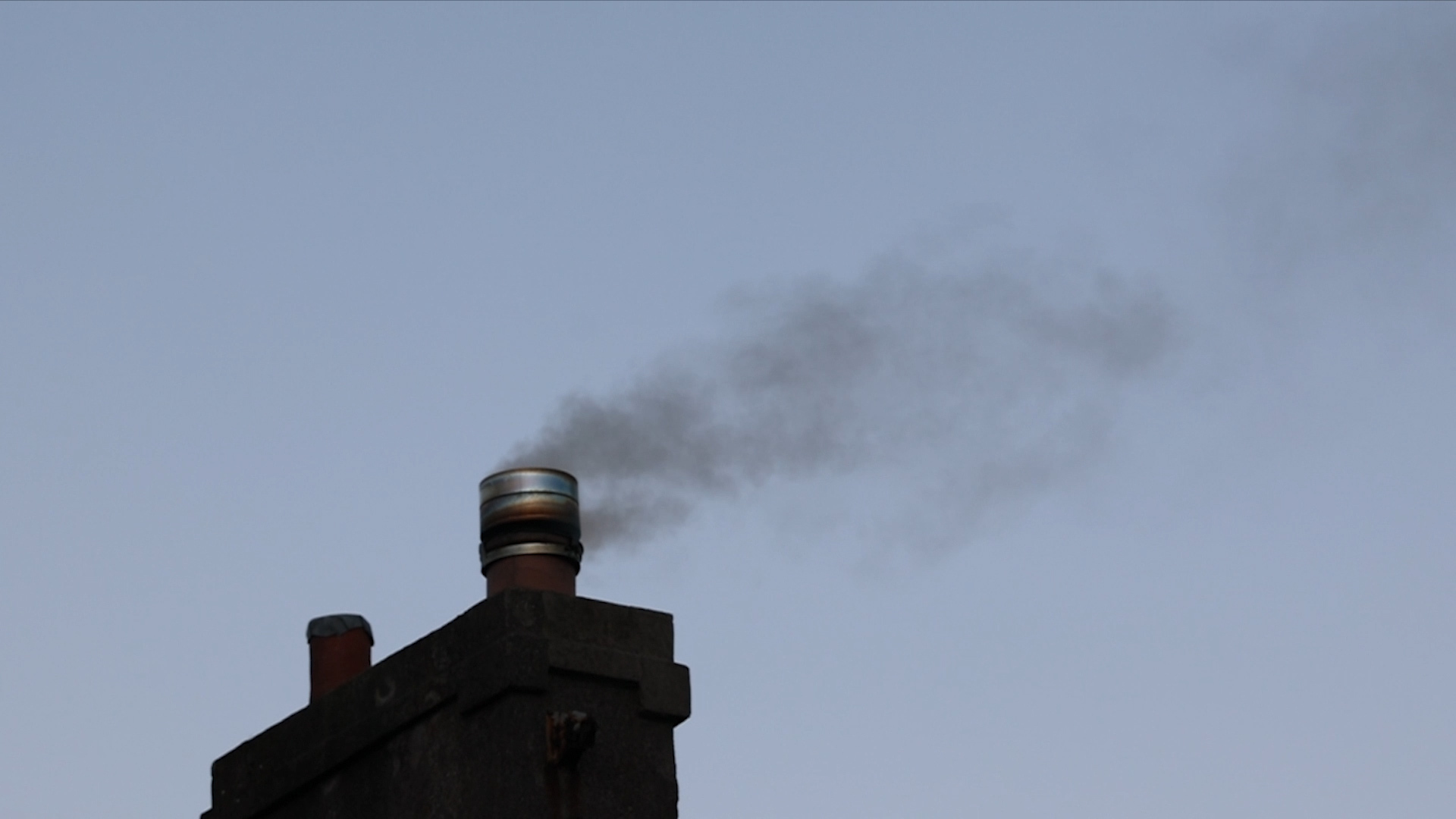
Ireland’s first Climate Change Assessment report, which was led by the Environmental Protection Agency (EPA), warned that the country remains heavily dependent on fossil fuels and is currently ranked the second highest across the EU for emissions per person. Picture: Clare Keogh
Earlier this week, Ireland had its first Clean Air Night, an initiative targeted at improving awareness of air quality and thus boosting health. If anyone doubted the timeliness of that initiative, consider the report which emerged yesterday condemning Ireland’s level of preparedness of climate change.
Ireland’s first Climate Change Assessment report, which was led by the Environmental Protection Agency (EPA), warned that the country remains heavily dependent on fossil fuels and is currently ranked the second highest across the EU for emissions per person. Although a legal basis is now in place for rapid and sustained national emissions cuts, “current policy and action remain insufficient to meet these aims”, according to the report.
This is a classic example of the disconnect between pious platitudes and lip service on one hand, and the need to put
difficult changes into effect on the other. All of us can nod sombrely when the dangers of climate change are mentioned, but altering our behaviour significantly enough to have a positive impact on the environment is a different matter.
The report could hardly be more stark in outlining the potential impact on Ireland of rises in sea level for instance, pointing out that the country is “highly exposed” to such rises, as all our major cities and many of our regional towns are on or near coasts. While global sea levels have risen by 0.2m since 1900, recent studies indicate higher rates of sea level rise than the global average in Cork and Dublin since the late 20th century.
Despite this worrying information, EPA chief Laura Burke sounded an unexpectedly optimistic note, pointing out that if we reach net zero global carbon dioxide emissions by 2050, “key components of the climate system such as temperature and precipitation would stabilise within the lifetime of many of today’s younger citizens and to the benefit of all of society”.
The possibility that we can still save our environment even at this late stage should drive us to redouble our efforts to change our behaviour — no matter how difficult those changes are.
Accountability on water quality
It has been a testing few days for Ireland’s environment, between the EPA-led report mentioned above and now a ruling from the European Court of Justice (ECJ).
The court ruled this week that Ireland has failed to meet its obligations under an EU directive on safe drinking water, with particular regard to the presence of trihalomethanes — a compound often found in water treatment systems; trihalomethanes are dangerous to both human health and the general environment.
Unfortunately there is a lengthy history of non-compliance in this area. Ireland was charged with making sure we met our clean-water obligations as far back as 2014, and the ECJ has pointed out on several occasions since that we are not meeting those obligations. In this week’s ruling, the court pointed out that there have been high levels of trihalomethanes in Irish water for a significant length of time — and that Ireland had not contested any of the court’s assertions.
If our drinking water contains levels of dangerous chemicals which exceed the permitted European levels then that is deeply concerning in and of itself. That concern deepens when one considers that we have had a decade in which to address these problems.
Those concerns may harden into anger, however, when Uisce Éireann’s role in this matter is examined in detail. The body was tasked in 2014 (then Irish Water) with ensuring that the quality of our drinking water was in line with the relevant EU directives, but when data on water was provided to the European Commission the following year, it found that Ireland was not compliant with those directives.
Given this week’s ruling by the ECJ, it is clear that this has still not been resolved, which puts the performance of Uisce Éireann under the microscope and raises some sharp questions.
Why does this continue to affect our water supply 10 years after we were first notified of the problem, and will anyone be held accountable?
Sign of the times
The revelation yesterday that Ryanair has purchased almost all the houses in an estate in Swords, north Dublin, in order to provide accommodation for staff sparked a negative reaction in the area, unsurprisingly.
The budget airline is not universally popular to begin with, and outflanking aspiring homeowners in this way will not improve its standing with many people, particularly those first-time buyers struggling to get on the property ladder in the capital.
Others can tease out any differences between Ryanair’s actions in this case and those of the faceless vulture funds which have snapped up properties all over Ireland, but this specific development also sheds light on what might be considered a hidden problem.
In an environment which has seen small businesses go to the wall with depressing frequency in recent weeks, is finding accommodation for staff one of the less obvious pressures facing such businesses?
Those operating in hotspots around Ireland have already seen challenges in accessing affordable housing for workers, so it should come as no surprise that accommodation is such a challenge in Dublin that a large company is buying 25 houses for its staff.
None of us needed to be told that the Irish housing market is dysfunctional: That has been evident for some time. But the Ryanair bulk purchase is a good indication of just how dysfunctional it has become.
CONNECT WITH US TODAY
Be the first to know the latest news and updates