Irish Examiner view: Parties have to try to connect with the voters of the future
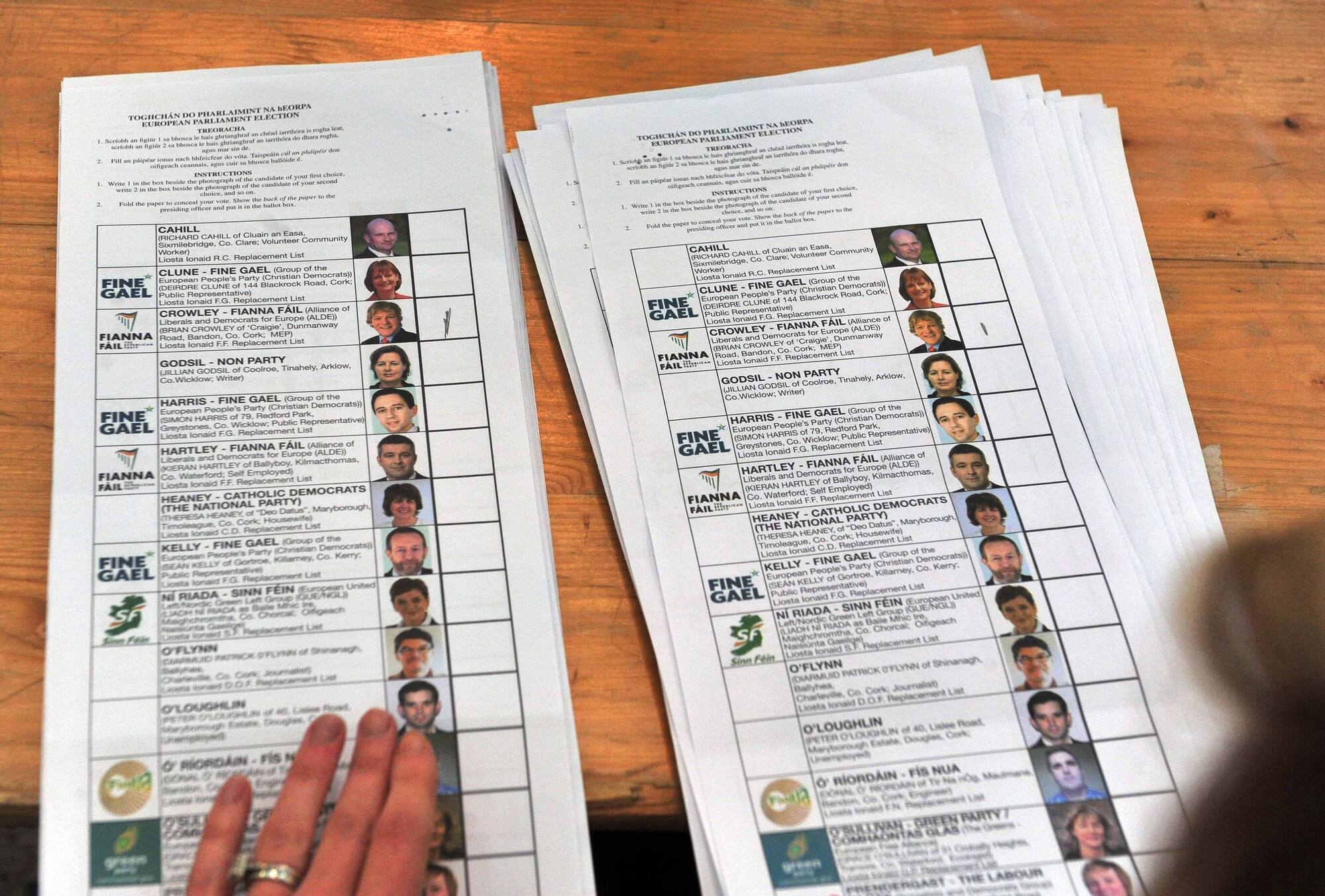
The mobilisation of the youth vote, that great political pot of gold, could be a massive factor in many elections this year. Picture: Denis Minihane
The mobilisation of the youth vote, that great political pot of gold, could be a massive factor in many elections this year, from the UK to the US, to Taiwan and on to India, Russia, and here at home. Political academics and experts in the field now recognise there is no one secret formula to getting younger voters to actually vote, but rather a variety of formulae which involve multiples of consistently shifting variables, all of which make the youth vote harder to persuade and to mobilise.
Gen Z-ers and millennials are believed, generally, to favour issues rather than traditional parties, with recent elections in France and Holland showing a shift to the far right, which will worry mainstream political dynasties.
Younger voters are less likely to support personalities, but will turn out to back candidates that speak to their lives and their core values or, ideally, both. In America, the issue of abortion rights is now the hot ticket item; in Britain, it will be the cost-of-living crisis; while in Ireland, it will primarily focus on housing.
These issues have a tangibility, clarity, and immediacy for younger voters and are the ones most likely to get them out to vote. For political parties, however, owning those issues and presenting solutions to them is vital to gaining youth support.
In this country, we are facing local and European elections this year, as well, perhaps, as a general election, so the governing coalition parties and the opposition have a big job to persuade younger voters their policies are the ones that will work.
And, as is pointed out by Coimisiún na Meán executive chairman Jeremy Godfrey elsewhere on the website today, the threats of misinformation and disinformation by aspersive forces are particularly worrying and potentially alienating for younger voters.
The political holy grail they represent is a febrile thing, no matter where in the world they are.
Elon Musk has plenty on his plate — not least his stewardship of the social media giant X, formerly known as Twitter.
But he probably did not reckon on an unusual coalition of workers across northern Europe which has stymied sales of product from his car company, Tesla.
For six weeks, dockers at ports across Sweden have refused to load or unload the electric cars made by the billionaire’s company, joining a growing band of workers in Norway, Denmark, Finland, and Sweden supporting Tesla workers looking for a collective agreement on their terms of employment.
Since October, when 130 Tesla technicians first went on strike, tens of thousands of workers across Northern Europe have joined in the largest co-ordinated labour action against Tesla since the company was founded in 2003.
Norwegian and Finnish ports have closed to Tesla shipments; Danish truckers will not transport the company’s cars through their country; postal workers in Sweden have refused to deliver Tesla licence plates to company customers; cleaners will not work at Tesla’s Swedish offices; and electricians in Sweden will not service company charging points. This worker solidarity has the potential to disrupt Tesla sales in what is a relatively small market for Musk’s company, but an important one economically.
The dispute is being watched carefully by those opposed to Musk’s no-union policy. The dispute, in fact, is now regarded as a test case for global efforts to crack that policy, and as company expansion continues apace, that is a worry for Musk and his executives. With a new ‘super factory’ set to open near Berlin and 11,000 workers there looking to organise, the pressure is mounting on Tesla.
So too in the US where the Union of Auto Workers, fresh from successful actions against Ford, General Motors, and Chrysler owner Stellantis, are targeting Tesla next.
Some 65% of Swedish workers are union members and 90% of them enjoy collective agreements; they are reluctant to see any slippage in their hard-earned conditions. Their stubborn resistance to Mr Musk is not only bad PR for him and his company, but a sign of greater reluctance to play by his rules.

CONNECT WITH US TODAY



Be the first to know the latest news and updates