It’s that time of year when we make promises to ourselves and each other.
And sometimes we even keep them.
So, as we leave the boulevard of broken dreams that was 2023, we can look forward to some pledges that could make life better.
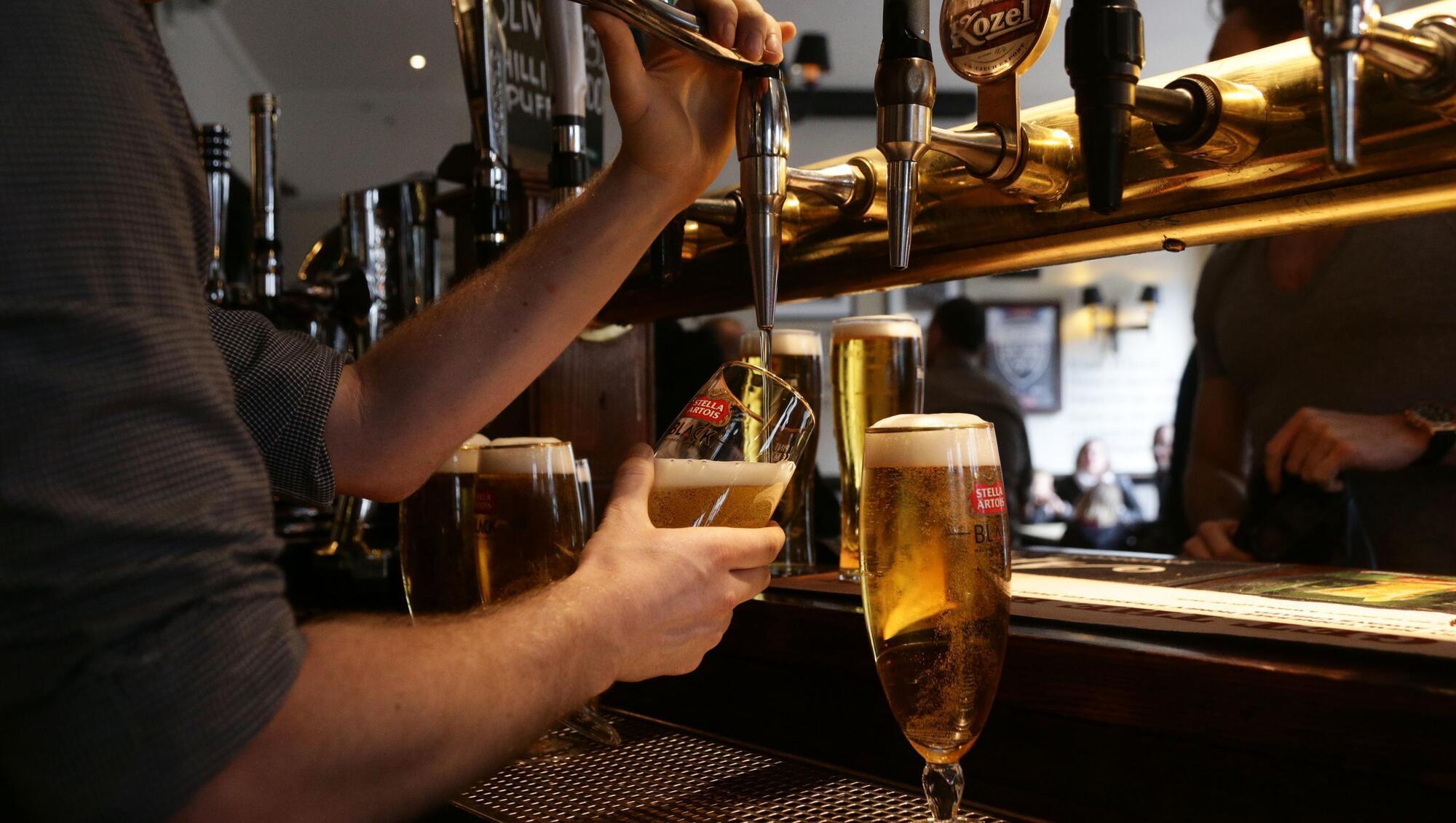
The new year should mark 12 months in which we make more strenuous attempts to get our damaging relationship with alcohol, and increasingly drugs, under control.
The matter of drugs policy, and the recommendations from the Citizens’ Assembly, will be a consideration for this Government, or the next, in 2024.
But improved self-discipline is required whatever your recreational stimulant of choice.
For evidence we need look no further than the post-Christmas report by our security correspondent Cormac O’Keeffe that alcohol is imposing an “enormous” burden on hospital emergency departments, with one in five presentations related to alcohol misuse.
A study reviewing the case histories of 970 patients at a Dublin hospital called for the “urgent” establishment of dedicated and specialist resources.
If further reasons for restraint were needed, groundbreaking research by the universities of Exeter and Maastricht among 350,000 under 65-year-olds identified excessive alcohol consumption as one of 15 factors leading to early onset dementia.
One of the other contributors was loneliness, that paradoxical curse of how isolation is on the rise in an increasingly connected world.
Many people are already taking steps to control their intake beyond the “14 units” limit. Sales of “no or low” alcohol drinks have soared by 46% year-on-year according to British retailer Waitrose.
Heineken zero has achieved record sales while Guinness 0.0 sales more than doubled. And it’s not just beer. “Spirits”, a key ingredient for “mocktails” have risen by 85%.
If we can place some constraints on our drinking, then what about our hopes of tackling humankind’s second great addiction ... our obsession with mobile phones?
Will 2024 be the year the tide starts to turn on the pervasive intrusion of technology into every aspect of our day, commencing with our children?
On Christmas Day 2003, Facebook, Instagram, YouTube, X (Twitter) and TikTok did not exist.
Google was a search engine competing with Netscape Navigator, Altavista, and Yahoo. Amazon had not decimated the high street. The iPhone did not exist. Most mobile phones were good for making calls and rudimentary texts.
Now they are used for bullying, peer shaming, generating mental health problems, destroying attention spans, interrupting family life, vicarious entertainment, and driving value out of content creation.
Hopefully more of the country will heed the example of the two Waterford school principals spearheading a campaign asking parents not to buy smartphones for their children.
If alcohol and drug restraint and screen discipline can be considered national and international issues we have a third hope, which is firmly Cork and Munster-based... that the Government makes good on its promise of a further multi-million euro top-up to deliver the Cork event centre.
And that construction finally starts in the first quarter, eight years after the 2016 sod turning.
Finally, and this may be a folorn dream, perhaps in 2024 we can see a reduction in the level of “calling out”.
From Taylor Swift (for being politically silent on Palestine) to retailer Zara (supporting genocide by clothing mannequins in plastic bags) and countless other examples the level of performative posturing has reached tedious levels.
Justified and informed criticism is one thing. Protest as conceptual art, quite another.
In a new study anthropologists have been speculating on why so many prehistoric handprints show a digit missing.
They conclude that it may have been an aid to social cohesion by encouraging collaboration.
It certainly would have made finger pointing more difficult. Let 2024 be the year when we remember where the pause button is.
No obligation. Ts&Cs apply.
The ones that got away
It is worth remembering some of the omissions of 2023.
We live in hope, untilthe dawn of 2024, for them to be delivered.
It would, perhaps, be rude to end this year, which has been challenging enough, by suggesting that procrastination has been the order of the day when it comes to arranging a systematic inquiry into the impact of covid-19. Rude, but not unfair.
Throughout this year, we anticipated some timeline for an investigation in to the lessons learned.
But those tricky rules and regs, not to mention terms of reference, kept getting in the way.
And, because it was busy before Christmas, regrettably, a final decision had to be pushed to 2024. But, like the next bus, it’s on its way.
Another unfulfilled pledge concerns climate change, with Ireland dropping six places, to 43rd out of 63 countries, in the international change-performance index.
Our intentions may be good, but ‘must try much harder’ is the verdict of our assessors.
The other highly visible area of enhanced expectations is housing.
While there have been some confident briefings that new starts will exceed target, the fact that the total will still fall short of what is required, with doubts remaining about affordability and social housing and with a gloomy rental market, means that the teeth will not be drawn from this argument.
The Enlightenment Catholic poet Alexander Pope said “hope springs eternal in the human breast”.
That is the quality that governs new year resolutions. Optimism is better than despair. Let us enter 2024 with cheery expectations.
The house that Jacques built
When the Republic of Ireland joined the European Economic Community on January 1, 1973, the Cork Examiner hailed one of the first sights of our new-found unity.
We had spotted a “giant juggernaut” loaded with 20 tonnes of fresh herring from Irish fishing boats at Dunmore East, Co Waterford. Destination: Boulogne.
“Let us put a spring in our step, a glint of confidence in our eye, and a certain air of determination in our voice as we say: Europe, here we come,” said our opinion writer.
No one can doubt the impact of the EU on Ireland.
But the thought occurred this week, with the passing of two of the most significant figures in EU history, that we have yet to produce a politician whose widespread influence is commensurate with the talents of this country.
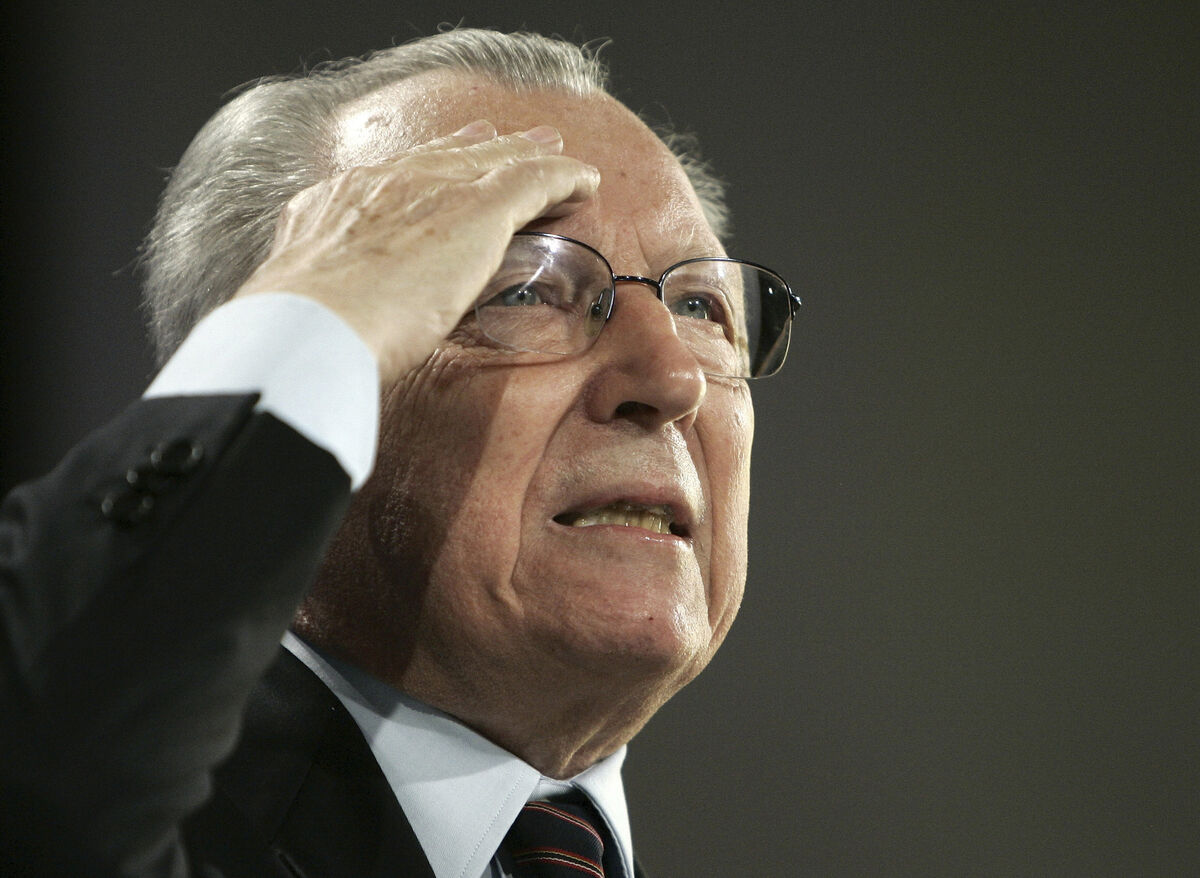
Jacques Delors, who died aged 98, can be ranked alongside Konrad Adenauer, Jean Monnet, and Robert Schuman as among the most influential visionaries to bring lasting peace to Europe by binding it economically.
He was three times president and had a name that was a gift to British tabloid headline writers who held a sitcom ‘ Allo ‘Allo view of the continent.
“Up Yours, Delors” The Sun famously declared.

Opposition to Delors’s vision of a single currency that would create a central, federal system of government had an influence on the thinking behind Brexit and disquieted some other nations.
He was a Catholic born to humble beginnings in the 11th arrondissement on the right bank of the River Seine in Paris.
His achievement was formidable, one of his biographers describing the EU as “the house that Jacques built”.
If he was the builder, his structure was later saved by the austere German finance minister Wolfgang Schäuble, who also died this week, aged 81.
Schäuble helped negotiate German reunification in 1990 and his no-nonsense policies staved off the debt crisis under Angela Merkel in 2009.
His hardline attitude made him hugely unpopular, but his measures are now conventional wisdom for stable economies.
Schäuble used a wheelchair after being paralysed when he was shot at an election rally in 1990.
Like Delors, he was a man of rigour and intellect. Both left their mark on a Europe from which Ireland has been a signal beneficiary.
CLIMATE & SUSTAINABILITY HUB
CONNECT WITH US TODAY
Be the first to know the latest news and updates