Irish Examiner view: The public needs regulators with teeth
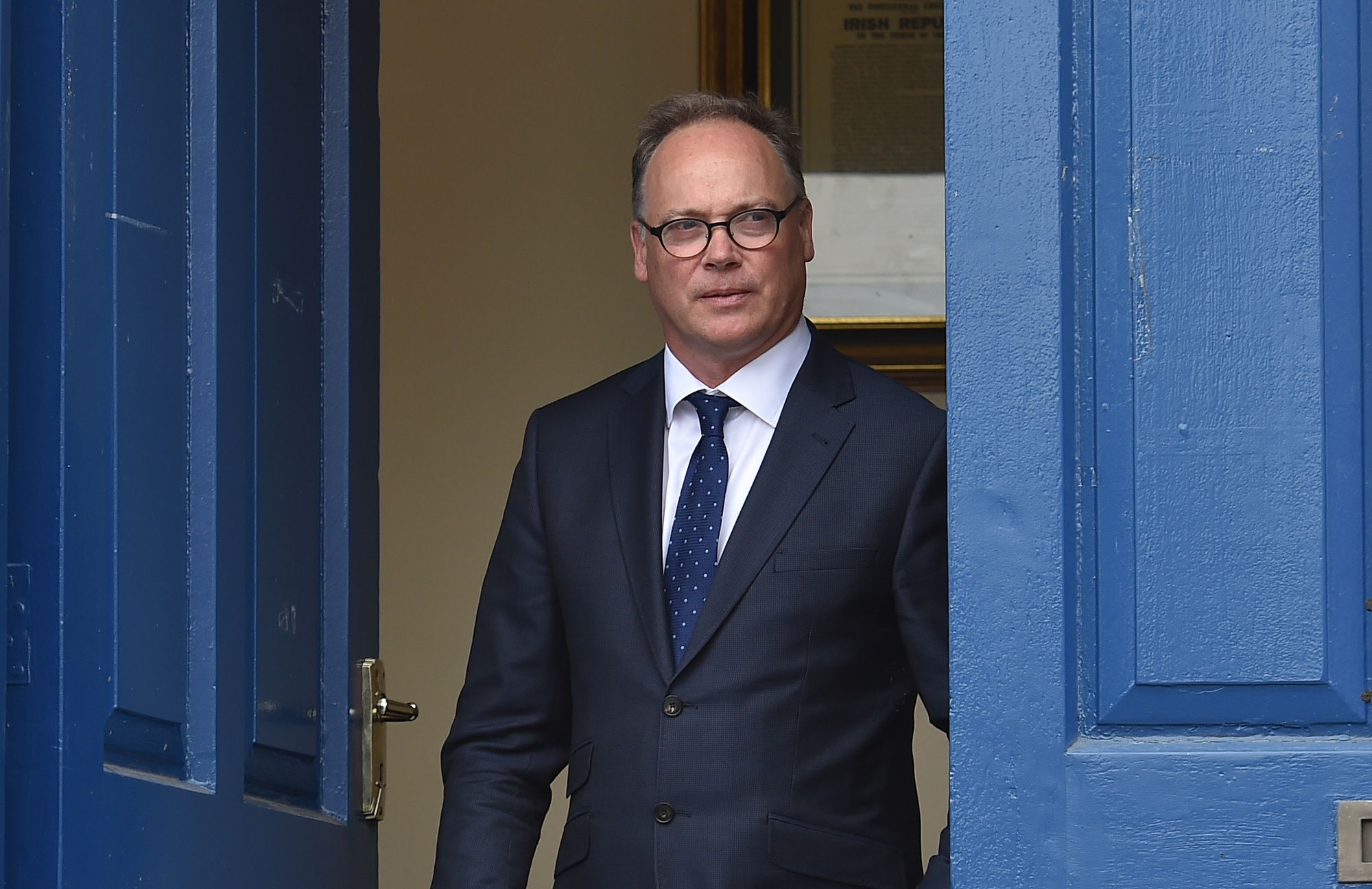
An Bord Pleanála's former deputy chairman Paul Hyde who last week received a jail sentence at the District Court in Bandon, Co Cork. Picture: Dan Linehan
After seven days in which white-collar crime, or suspicions of it, have dominated the headlines, it seems counterintuitive to note that plans to crack down upon another aspect are not yet underway, despite being signed into law 12 months ago.
As jail sentences were passed on the former deputy chairman of An Bord Pleanála, and allegations of fraud bandied around in the Oireachtas Public Accounts Committee examining RTÉ’s payment arrangements with “top talent”, the important topic of effective regulation was simultaneously being aired. And it was accompanied by a warning that new monitoring regimes which are required under European directives cannot function properly without additional legislation and increased resources.
The EU wants to ensure that national regulators have guaranteed independence, enough funds, and appropriate enforcement muscle to ensure that power cannot be abused by a company holding a dominant position in any given market. Among those sanctions is the ability to issue fines which can be set at €10m or 10% of a company’s total worldwide turnover, whichever is greater.
However, an inevitable consequence is that any potential transgressor will, to use the modern parlance, “lawyer up”.
A report from the Department of Enterprise said the provisions of the Competition (Amendment) Act 2022 represent a “radical change from the existing competition law regime in Ireland” but “cannot operate effectively” unless further legislation is put in place. The department added:
There is no shortage of examples in the Western economies of regulators failing in their duties to safeguard consumers from commercial entities and these are increasing in frequency.
Powerful sectors such as energy, telecoms, finance, and insurance touch upon all our lives.
The recent investigation by Ireland’s Competition and Consumer Protection Commission raised many eyebrows when it could find “no indication” that supermarkets have engaged in price gouging during the cost-of-living crisis.
Changes in input costs “may take time to be passed on to consumers” was the opaque conclusion.
Real reform, with a covenant that those who work for regulatory bodies cannot then move into roles within the industries they have been scrutinising, is long overdue. And it would be greatly welcomed by consumers, which is a very good reason for politicians to take it seriously.
CONNECT WITH US TODAY



Be the first to know the latest news and updates