Irish Examiner view: Cutting flights may be pie in the sky
Carbon emission goals may wither in the face of resistance to curbing our foreign travel habit
Irish Examiner view: Cutting flights may be pie in the sky

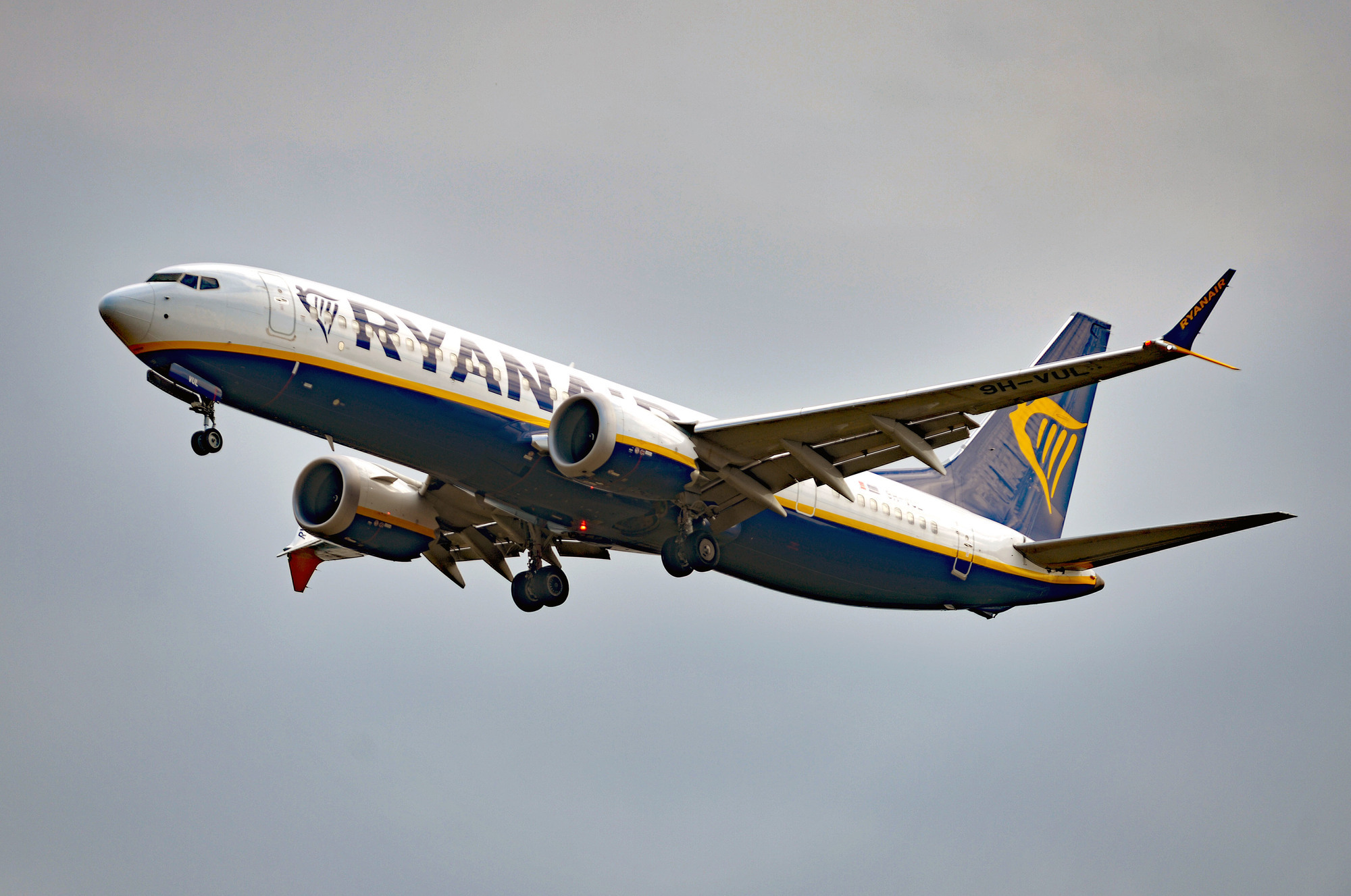
A Ryanair Boeing 737 Max 8-200 jet. The airline intends to buy about 300 Max 10 aircraft from the planemaker. File picture: Nicholas T Ansell/PA

The sharp intake of breath which is apparent every time a measure puts pressure on motorists to step away from their cars will be as nothing when battle is finally joined to fully confront the future of flying.

The burgeoning recovery of air travel, even within the worst cost-of-living crisis in memory, provides ample testimony to the desire of citizens to “get away from it all”. 

This was suppressed during restrictions imposed during the pandemic and the explosion in demand shows how much we missed it, and how reluctant we will be to lose such flexibility in the future. Major airlines have signed pledges to reach net zero by 2050, but it is difficult to see how that will be accomplished when all the signs are set for growth.

This week, Ryanair signalled its intention to to buy some 300 Boeing 737 Max 10 aircraft worth more than €36.3bn as it prepares to fly 300m people a year from 2033. It predicts that it will transport 185m passengers in this financial year.

These bullish forecasts come as fares are rising at more than twice the rate of inflation, with carriers resisting the
financial headwinds which have buffeted other industries.

CLIMATE & SUSTAINABILITY HUB

A Financial Times analysis of data from aviation company Cirium showed that average ticket prices on more than 600 of the world’s most popular routes rose at an annual rate of 27.4% in February. This was the 15th consecutive month of double-digit growth in the industry.

It was in 2021 that the term “revenge travel” — the desire to indulge in a journey previously delayed or cancelled because of the freedom-sapping constraints of covid rules — was first coined. 

With the advent of the “Great Retirement” and a marked change in attitudes towards working life and career it is losing none of its potency. Airlines are anticipating peak summer demand as they aim to rebuild their finances from the crises of 2020-2022.

Cork Airport has revised its own 2023 predictions, with 2.6m passengers expected to fly this year, bringing the airport back to pre-pandemic levels more than two years earlier than anticipated. April’s figures represented a 30% increase on the same month last year, and a 19% increase on April 2019.

Aviation’s climate targets are heavily dependent on the use of lighter material and sustainable fuel but will not have a significant bearing for the foreseeable future. Some industry chiefs regard talk about electric flights and even airships as pie-in-the-sky, with no implications for the mass travel market. But changes are on the way. 

Subtle attempts are being made to reduce in-flight weight — no printed magazines for example — in the hope that a series of marginal improvements will reap benefits. More draconian policies are waiting in the wings. 

France has already banned domestic flights where there is an equivalent train journey of less than two and a half hours. 

The Austrian government places a €30 levy on internal journeys covering less than 350km, and the European Commission has aspirations to tax jet fuel on intra-European routes, which will have less-than cheerful consequences for ordinary customers. Night flights are also in the crosshairs, as are private jets, although, call us cynical, money will continue to talk in that case.

The extent to which consumers lose enthusiasm for action the more it impacts on their lifestyle was tested by a seven-country YouGov survey which sampled 7,000 people from the UK, France, Germany, Denmark, Sweden, Spain, and Italy.

Large majorities said they were very or fairly worried about climate change and its effects. While there was relatively broad support for a levy on frequent flyers (39% in Italy to 59% in Germany), no one would countenance an environmental tax on tickets. Getting people out of their cars could be the challenge of the century. Persuading people to give up flying looks, for now, like a political non-starter.

x

More in this section

Revoiced

Newsletter

Sign up to the best reads of the week from irishexaminer.com selected just for you.

Cookie Policy Privacy Policy Brand Safety FAQ Help Contact Us Terms and Conditions

© Examiner Echo Group Limited