Irish Examiner view: Dwyer decision key for phone evidence
Irish Examiner view: Dwyer decision key for phone evidence

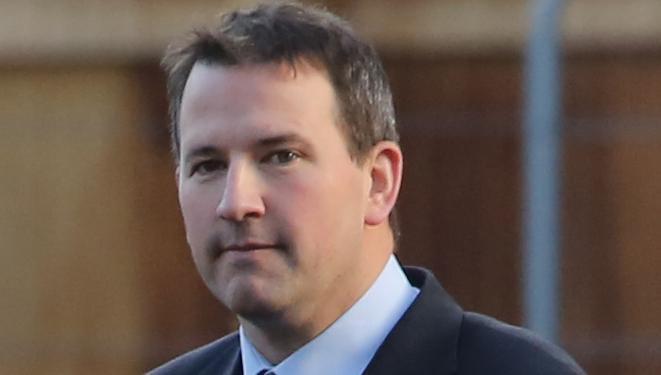
Graham Dwyer lost his appeal after murdering Elaine O'Hara in 2012. Picture: Collins Courts

The comprehensive dismissal of all the grounds of appeal by the Bandon-born architect and murderer Graham Dwyer is a welcome relief and ends a period of great anxiety over the admissibility of data evidence from the mobile phone that he used for his business.

Dwyer, 50, pleaded not guilty at his trial but was sentenced to life imprisonment in March 2015 and was seeking to overturn his conviction for murdering Elaine O’Hara, a vulnerable childcare worker, for sexual gratification in 2012. 

His victim had been discharged from a mental hospital shortly before she met her death.

Part of the appellant’s case was boosted by a European Court of Justice ruling last year that retention of Dwyer’s phone data was in breach of EU privacy rights and could not, therefore, be presented to a jury as an indication of wrongdoing. 

The ECJ said general and indiscriminate retention of data is only lawful in cases of national security.

Garda use of its powers under the Communication (Retention of Data) Act 2011 has been heavily curtailed since the original High Court challenge and claim for retrial was mounted by Dwyer and his legal team nearly five years ago.

But Mr Justice Birmingham, one of the three judges yesterday, observed that the data evidence, even if it had been excluded originally, could not give rise to a miscarriage of justice and that the prosecution was able to establish through other means that there was a plan to murder Ms O’Hara.

Graham Dwyer's father Sean leaving the appeal in Dublin yesterday. Picture: Collins Courts

There are valid reasons to be cautious over the ability of authorities to exploit, in the words of Dwyer’s defence lawyers, an “opportunistic form of mass surveillance” that transforms phones into tracking devices that can reveal a detailed picture of every aspect of a person’s life.

But privacy laws were introduced for the wider public good and not to assist a cunning and cruel killer to avoid justice. And, on this occasion, they have not. But it is unlikely that we have heard the last about the role of mobile phones in criminal trials. 

Given their ever-increasing centrality to our lives — something encouraged by technocrats, commerce and politicians — they will continue to be a rich and fertile source of argument, and the likely subject of further legislation.

More in this section

Revoiced

Newsletter

Sign up to the best reads of the week from irishexaminer.com selected just for you.

Cookie Policy Privacy Policy Brand Safety FAQ Help Contact Us Terms and Conditions

© Examiner Echo Group Limited