Irish Examiner view: Benefits of EU membership have a price
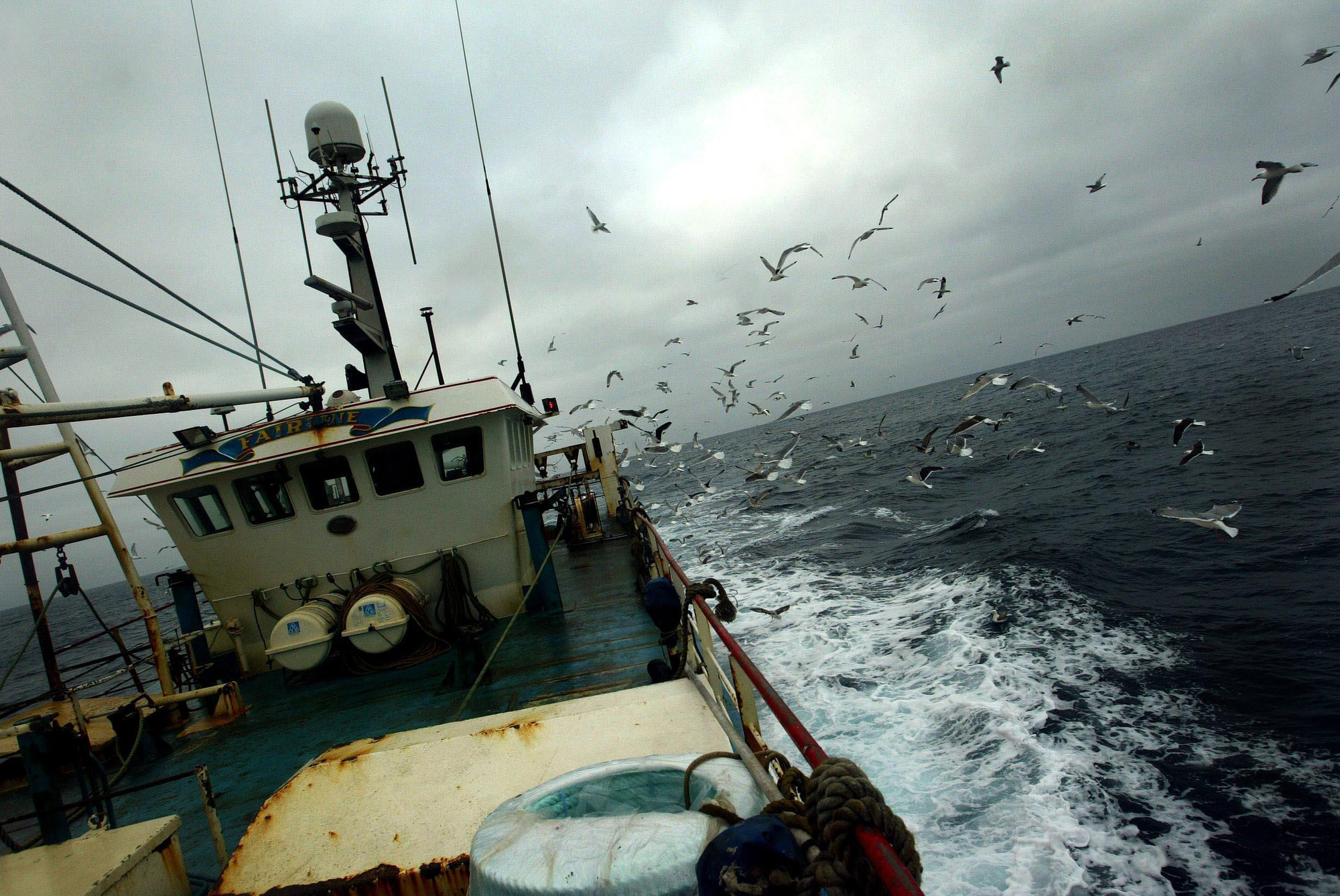
It looks like the prospective deal between the EU and Norway is set to put the burden on Irish fishing communities
Irish fishers were encouraged to apply for the Government’s decommissioning scheme but it appears it was not the panacea that people in the industry expected.  Stock picture: Maurice McDonald/PA

Irish fishers were encouraged to apply for the Government’s decommissioning scheme but it appears it was not the panacea that people in the industry expected.  Stock picture: Maurice McDonald/PA

As we commented at the start of December, there’s always a price to be paid somewhere for the largesse which can be received through being an active and contributing member of the European Union. 

And, for now, that burden is falling upon our fishing communities, as can be reflected in this morning’s first part of a special report by the Irish Examiner.

More than one third of the country’s offshore fleet of 180 vessels have applied to the Government’s decommissioning scheme. Of those, 19 are reportedly from Castletownbere in Co Cork, a town heavily reliant on the fishing industry.

The €60m scheme was established because of the Brexit Trade and Co-operation Agreement (TCA) which saw cuts agreed between the Government and the EU to the number of fish that Irish fishers could catch. The deal has made it harder for Irish fishers to earn a living, and inflation has further added to those pressures.

Additionally, Norway, which although not in the EU is part of the European Economic Area which brings single-market benefits, wants increased access to Ireland’s fishing stocks and may well get it in the trade-offs that characterise continental agreements. 

This has prompted Brendan Byrne, general secretary of the Irish Fish Processors and Exporters Association, to warn that men and women working the Irish waters could be “the last generation to fish our seas”.

Norway is a big player in Europe, and not just because it is a fundamentally important supplier of energy. Norway is so desperate to secure additional fishing rights that — rather than wait for a deal with the EU — it recently signed one with Russia that amounts to an exchange of quota, the official total allowable catch allocated to countries.

Traditionally, EU member states have been able to catch cod off the northern coasts of Norway. In exchange, the EU lets Norway fish in its waters for reciprocal amounts of blue whiting. Europe wants more cod, Norway wants more blue whiting, which are in plentiful supply around our coasts. The market for this is estimated to be worth between €150m-€200m.

The Russian deal has complicated matters for Norway, but there is no sign of Oslo softening its requirements.

Meanwhile, the Irish Fish Producers Organisation continues to ask the EU fisheries commissioner in Brussels to reject Norway’s request, with CEO Aodh O’Donnell warning that concessions without reciprocation will be “the greatest giveaway in recent times” and “yet another nail in the coffin of Ireland’s indigenous fishing industry”.

While the Government asserts that this will be the last decommissioning scheme, and that it is being introduced at the request of the industry, to a great extent this will depend on EU-wide policies in the future and, as we have seen, we live in a highly unpredictable world. 

What the Irish fleet is seeking is a requirement that Norwegians have to land their catch here for processing or that there should be a permanent increase in quota. 

Failure to deliver on those will reinforce the perception that Ireland isn’t fighting the corner for its domestic interests sufficiently vigorously, and that aspects of the Common Fisheries Policy have to be revisited.

Negotiations have been suspended for now, but the fears, which are compounded by worries that offshore windfarms are going to intrude and diminish fishing grounds further in the future, are far from being allayed. 

Willingness to take on the costs and responsibilities of running a boat depends, to some extent, on an estimation of which way the wind is likely to blow. That’s a very uncertain calculation in the present economic and political climate.

We commented when this story began to emerge that while the fleets of Russia, China, and Japan roam to factory farm the oceans, Irish fishing families are echoing the disillusion and disappointment which can be heard in other locations such as Brittany and the UK ... that their national governments are unprepared to stand up to the EU and fight for local rights to take more catch.

This is not yet clear from the stated position of the Government, but there is likely to be stormy weather ahead and it will require some navigational skills if an advantage, or even a status quo, is to be found for Ireland.

More in this section

Revoiced

Newsletter

Had a busy week? Sign up for some of the best reads from the week gone by. Selected just for you.

Cookie Policy Privacy Policy Brand Safety FAQ Help Contact Us Terms and Conditions

© Examiner Echo Group Limited