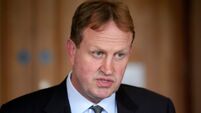
It was refreshing to see Taoiseach Micheál Martin reject the Commission on Taxation’s reported recommendations on reducing the amount of money parents can leave children tax-free — and to see reality acknowledged in doing so.
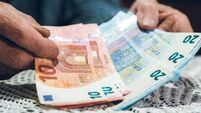
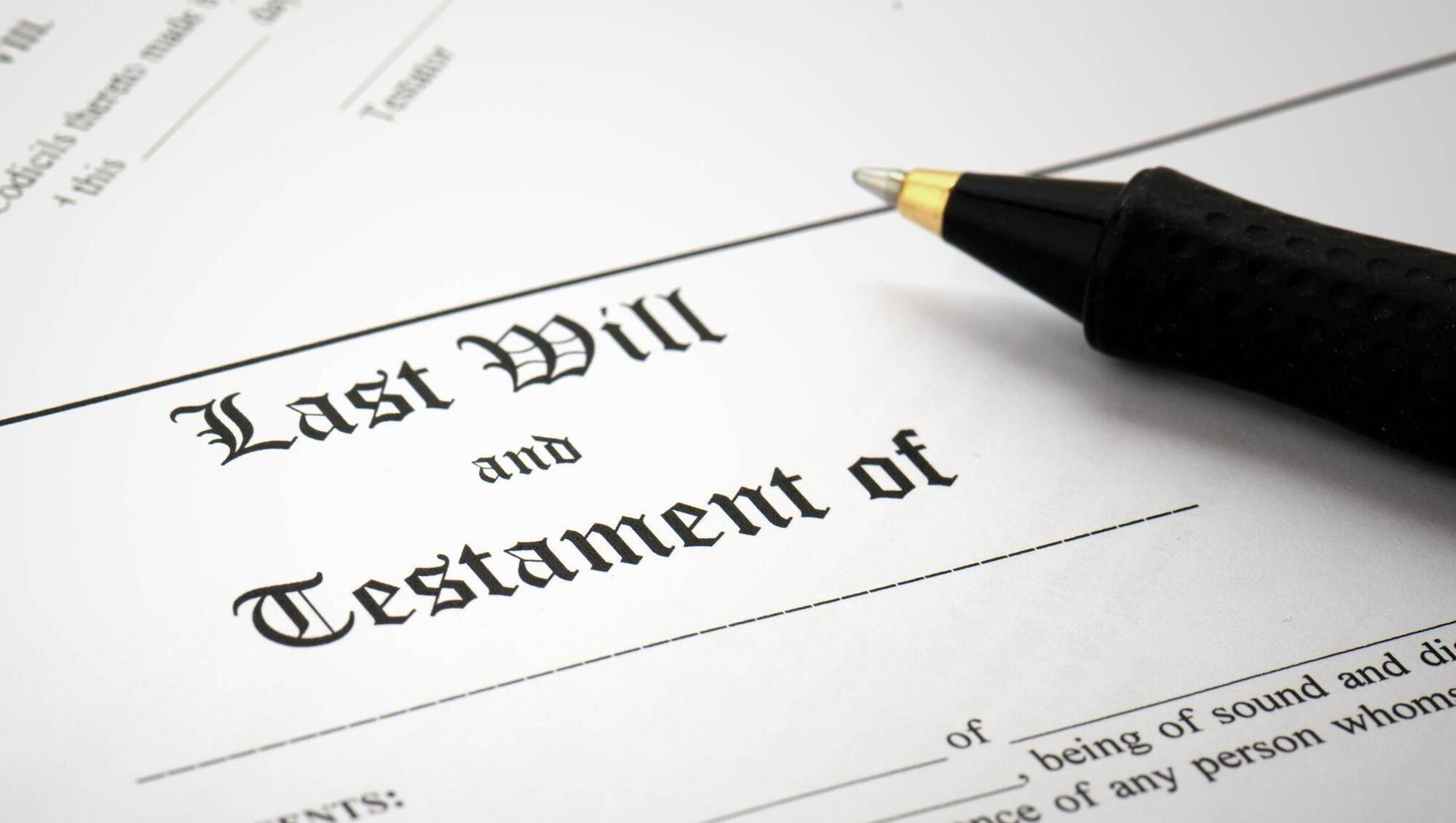
It had been reported that the commission was in favour of a substantial reduction in the amount of money children can inherit from their parents: Under the current capital acquisition tax rules, a child can inherit €335,000 from their parents before having to pay tax at 33%. (In 2009, the threshold was €542,544 before tax kicked in, with the rate at the time being 22%.)
Mr Martin said he felt there would be no appetite in Government to reduce the threshold further, adding that many families and family homes would be disadvantaged by such a move.
He pointed out that such a move would, in effect, be saying to people who had worked hard and bought a house: “Actually, we want to take more off you when you die, and you can’t give it to your family members.” He added: “I think there’s an issue with that in terms of fairness.”
The obvious point to be made is that those people described by the Taoiseach as working hard to buy a house have by definition made a contribution to the country’s revenues over many years. From stamp duty to local property tax, such householders have paid their dues and are entitled, at the least, to the reassurance that they won’t be taxed again for doing so.
This is the contradiction at the root of such a proposal, that the reward for tax compliance and co-operation over decades would be to disadvantage people for doing so by taking even more in tax.
An issue of fairness is the best way to explain it, and the obvious reason to reject it.

Subscribe to access all of the Irish Examiner.
Try unlimited access from only €1.50 a week
Already a subscriber? Sign in
CONNECT WITH US TODAY
Be the first to know the latest news and updates