This weekend we reached Day 200 of the illegal Russian invasion of Ukraine. Not yet as long as the Irish Civil War, but trending in that direction, and most likely to go beyond that milestone.
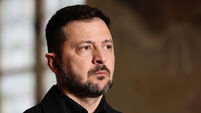
While we can admire the determination of Volodymyr Zelenskyyâs people to defend and attempt to recover their homeland, we should not be deluded by reports of counterattack and liberation of â1,000 sq km of territoryâ.
In warfare, the Russians have always been prepared to trade space for time and to sacrifice soldiers and materiel. Their calculation is that the West does not have the stomach for the long haul.
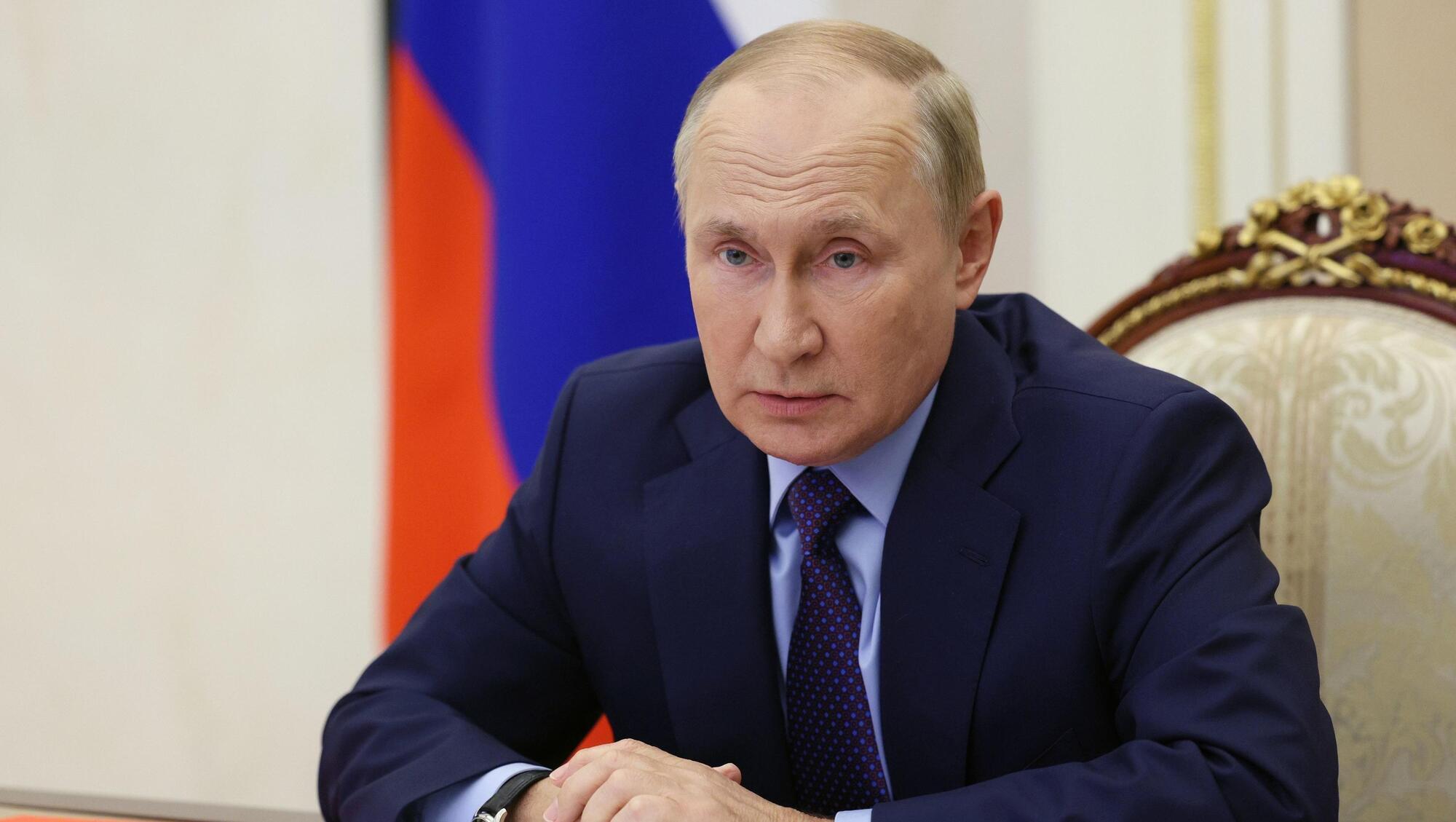
By the time next spring is reached, we will know the truth of that. Kyiv has released figures indicating that Vladimir Putinâs personnel losses now exceed 52,000 combatants.Â
More than 2,100 tanks, 4,575 armoured combat vehicles, 239 jets, and 211 helicopters have been destroyed, claim the sources. If these fatality figures are correct, this is more than the death toll for Afghanistan and Chechnya combined, so they must be treated with some circumspection.
What cannot be disguised is that the âspecial military operationâ launched by the Kremlin on February 24 has been an unmitigated disaster from the moment the Russians failed to take Kyiv in the opening week of the attack.Â
For all the bluster and bravado from Red Square about the ineffectiveness of the Westâs sanctions and the economic retribution being exacted through the gas embargo, the truth is slowly penetrating through the streets of Moscow and further afield.
In Putinâs home city of St Petersburg, district council members are petitioning for his removal from office for treason, a rare public protest against dictatorial power.Â
A petition adopted by the Smolninsky District Council said the decision to send troops to Ukraine had led to a staggering loss of life, an economic downturn, and reinforced the position of Nato by encouraging Sweden and Finland to apply for membership.Â
The petition utilised the term âspecial military operationâ to avoid the censorship law which criminalised the use of the word âwarâ in respect of Russian aggression in Ukraine. Thousands of people have been fined for protests and hundreds have been jailed.
Itâs a small straw in a gale, but protest can start in strange ways and accelerate.Â
During the Second World War, a working-class German couple in Berlin â Otto and Elise Hempel â took their protest to the streets by leaving postcards in public places denouncing Hitlerâs war. They were eventually detained and executed, but their bravery was remembered and celebrated in a fictionalised Hans Fallada novel Alone in Berlin.Â
It is not only sanctions and arms for Ukraine that will bring a change in Kremlin policy. It will require the scales to drop from the eyes of ordinary, good, Russian citizens, just as they did over the hidden extent of conscript losses, to no good effect, in the wars in the High Hindu Kush and north Caucasus.
That process may have started.

Subscribe to access all of the Irish Examiner.
Try unlimited access from only âŹ1.50 a week
Already a subscriber? Sign in
CONNECT WITH US TODAY
Be the first to know the latest news and updates