Irish Examiner View: Soaking the taxpayer has its limits
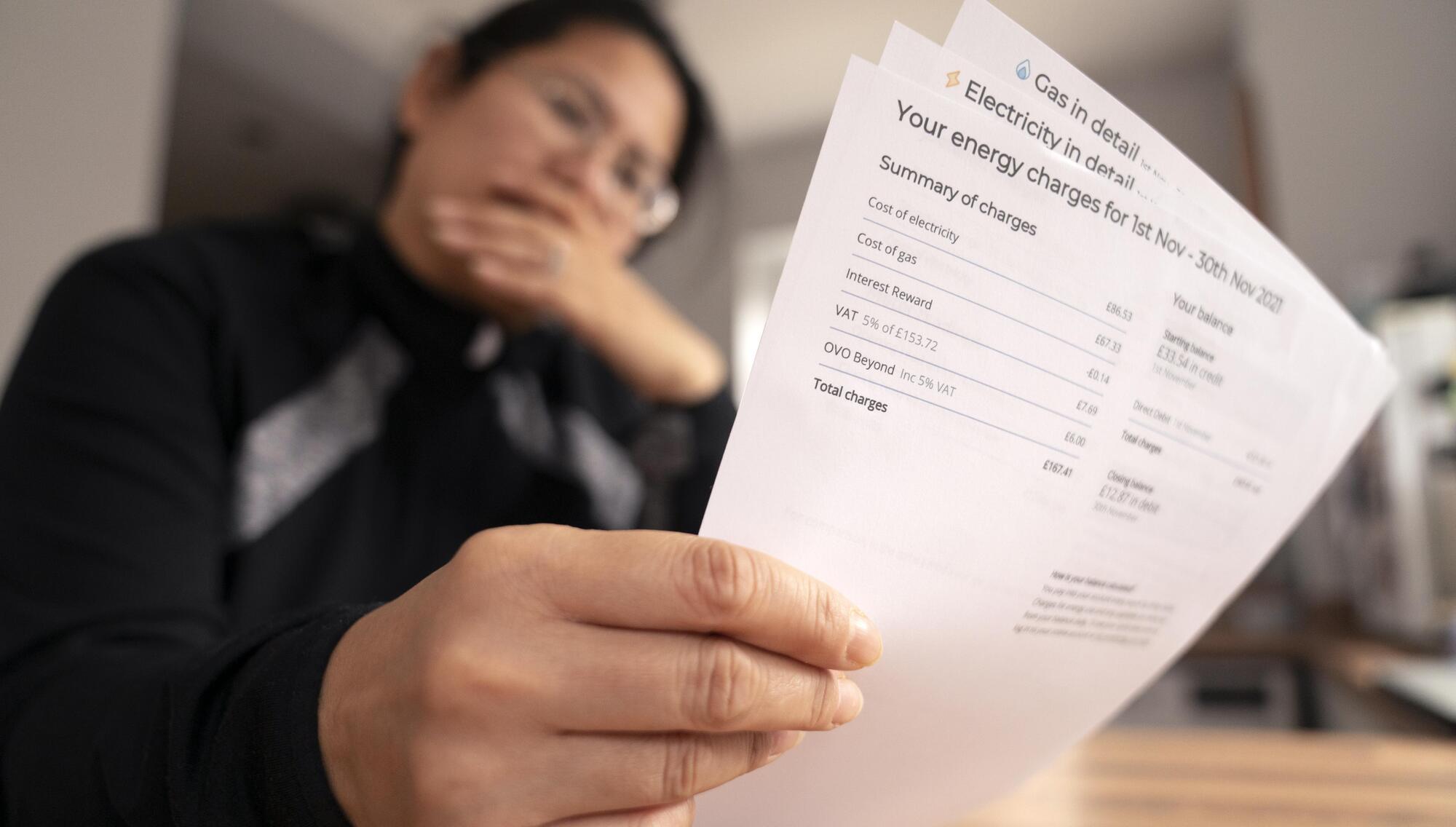
In the UK, there is an increasing clamour for a mass refusal to pay the next swingeing round of energy bill increases in October. File Picture.
It is inevitable in these straitened circumstances that political thinkers are casting around for new ways to separate citizens from their money and add it to the tax pot for them to dispense.
Inevitable, also, that property, in a country which acknowledges that it has a housing crisis and a crisis in finding homes for refugees, should fall under repeated scrutiny.
In respect of temporary help needed for displaced persons, calculating eyes have fallen upon the country’s 66,135 holiday homes. Owners of these properties, which are predominantly in rural areas, may be asked to “loan” them to the Government in return for a payment which may exceed the €400 per month currently offered to households to assist refugees.
Providing humanitarian support during a time of grievous international crisis may be one thing. But there are also acquisitive eyes on holiday homes and second homes who see them as a potential source of ongoing central Government revenue for the future.
The Commission on Taxation and Welfare, an advisory group, is reported to have included recommendations to widen the tax net by imposing a site-value tax on non-residential property in their 300-page report to Finance Minister Paschal Donohoe. The proposal would not come into play for Budget 2023, but may inform thinking for the next election manifesto.
There are a host of other revenue-raising ideas seeking to defray the State’s reliance on corporation tax, including Vat, PAYE, PRSI, and traffic congestion charges. The group was chaired by Niamh Moloney of the London School of Economics and Political Science.
Sinn Féin, with its ambitions of forming the next government, also finds itself forced to become more transparent over its own tax plans, which look like placing extra costs on businesses and include measures such as a third income tax rate for those earning over €140,000, an increase in capital gains and inheritance taxes, plus the introduction of a “wealth” tax instead of property tax.
Common to all the political classes and associated special interests is the notion that stressed citizens must “get used” to paying more.
The cent may not yet have dropped that there is a growing resistance from taxpayers to being bled further.
In the UK, there is an increasing clamour for a mass refusal to pay the next swingeing round of energy bill increases in October. The idea is that, if sufficient people cancel their direct debits, the system will be overwhelmed, and the numbers too great for a widespread switch-off of supply or the introduction of pre-payment meters.
Financial expert Martin Lewis compares it to a “poll tax” moment.
Such ideas are contagious. Thus far, voters in Western democracies have been resilient, phlegmatic, and generous in their response to everything which has been thrown at them.
This winter will test the reserves of patience. Political leaders need to be prudent with their words and actions.