Irish Examiner View: No perfect solution to NMH dilemmas

A model of the proposed new National Maternity Hospital on the St Vincent's campus. Picture: Gareth Chaney Collins
To the outsider, the proverbial being from Mars looking on, it may seem strange that, when we can’t guarantee the survival of the world for the next 50 years, Ireland should be worrying about a 300-year guarantee on land which has been identified to build a much-needed, new, secular, maternity hospital.
And even more so that a coalition Government facing a host of difficult social and political challenges can see its narrow majority further reduced as a consequence of a vote which turned into a piece of performance art.
In truth, this is the second Dublin and Dáil hubbub within a month that has been more redolent of old Ireland than the progressive, tolerant, technically savvy, collegiate state in transition that we may wish ourselves to be.
As with the arguments over peat, there have been divisions. In the case of that unnecessary distraction, it was between town and country, eco-activists and conservatives, the old and the new, the scientists and the sceptical.
But the argument over the National Maternity Hospital is much more fundamental.
It is a debate being held among traditionalists and reformers, those who have religious faith and those who have none. People who trust doctors and politicians, and those who do not. And between those who are anti-abortion and the many who voted for reform and no longer wish to see any possibility of religious influence and equivocation over service standards and delivery in modern health services.
There are atavistic fears and tensions which relate particularly to mothers and babies.
Although there are many who find comfort in the influence and support it can provide, it should not have an influence or place in this aspect of care.
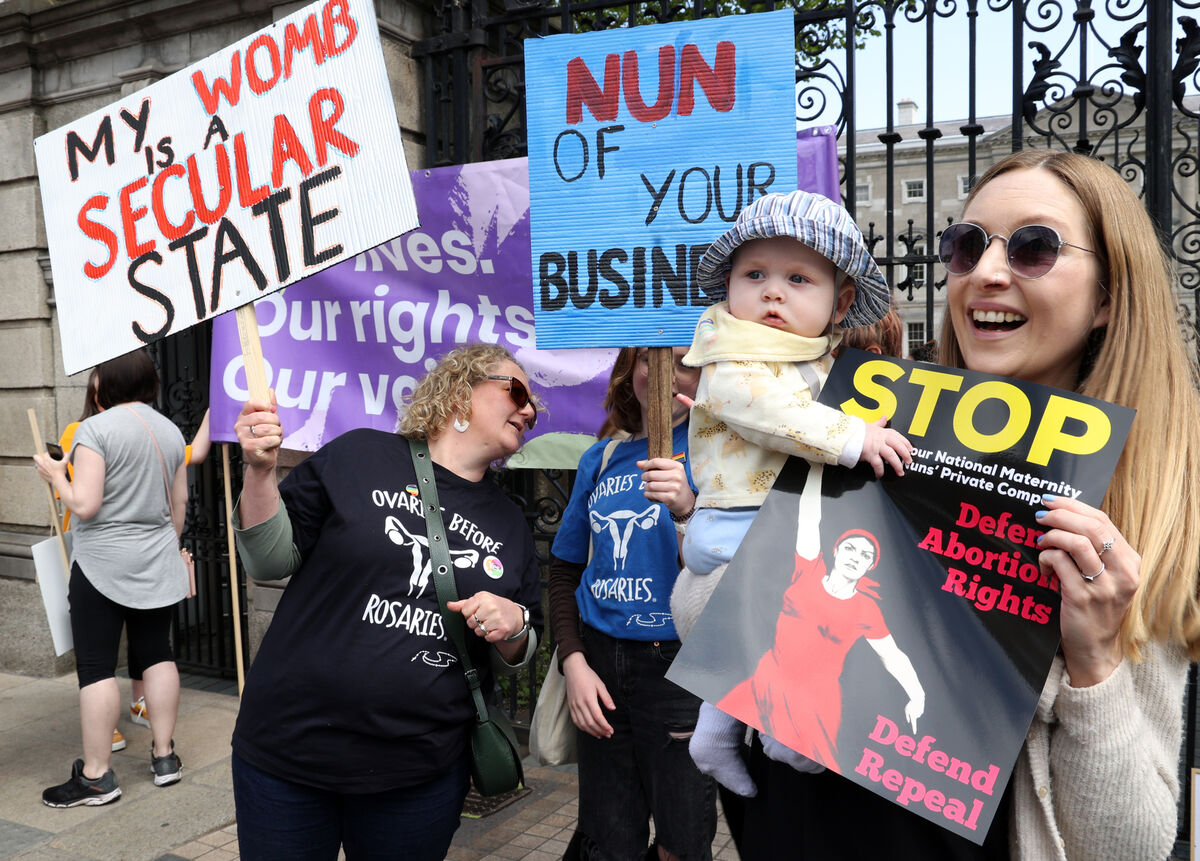
The medical infrastructure to support women in Ireland is not as strong and robust as it must be. Maternity rights and wishes were often set aside during the Covid-19 pandemic; the ongoing shortages of hormone replacement therapy products remain at a scandalous level; arguments over female contraception and the unequal access to abortion services still pertain.
Half the State-owned maternity units in Ireland built on public land offer no abortion services. What chance, therefore, for them to be provided in a hospital owned by a religious order is the headline argument produced by critics.
It will be Ireland’s biggest investment in healthcare services for women, but one which has been diverted because of suspicions about Catholic interference due to a failure to conclude a no-strings land deal and then a reluctance to make the fine print of that arrangement public.
It is the Religious Sisters of Charity, the order that owns the site of St Vincent’s Hospital, which was given permission by the Vatican to transfer its shareholding.
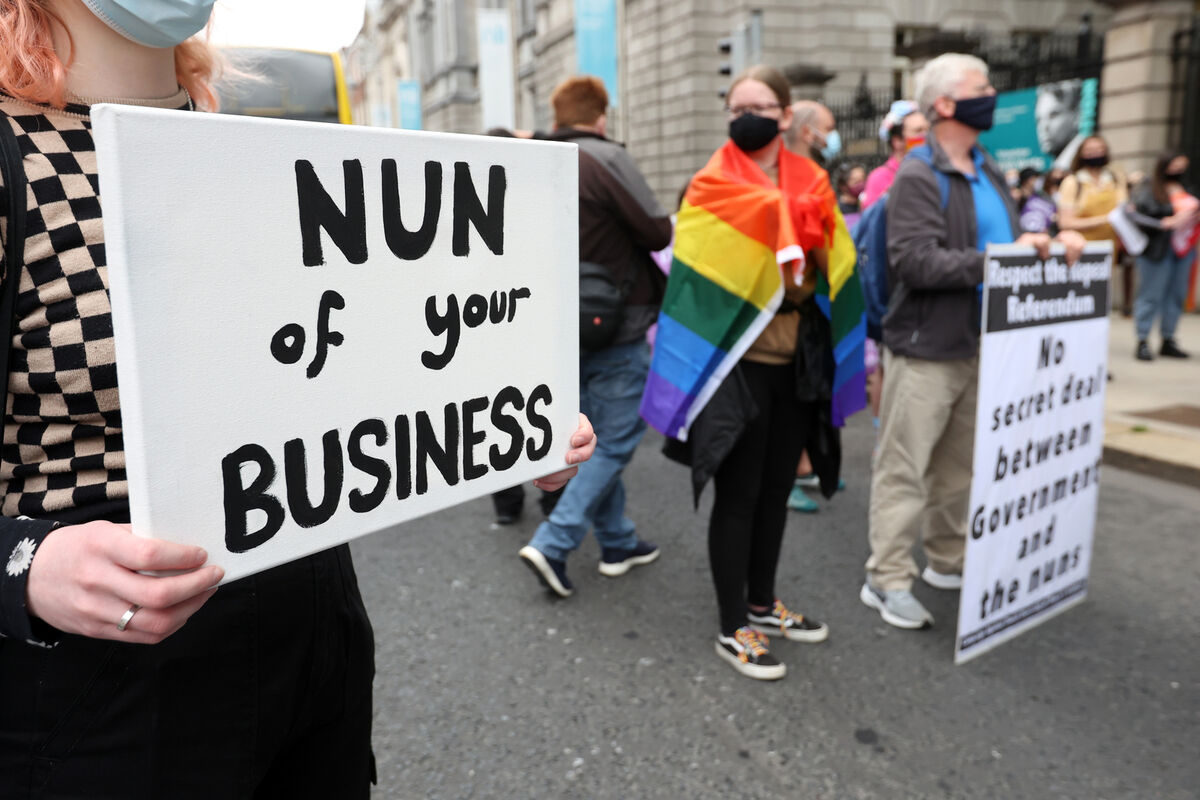
It is the secrecy surrounding these arrangements that has provoked a good part of the trouble and has forced the Taoiseach Micheál Martin to affirm to the Dáil that “there is no Church involvement” in what will be a new secular hospital, and he said there is full public ownership via a 299-year lease.
Previously the lease was to be 99 years, clearly unsatisfactory. He added that legal guarantees about the provision of all services at the new National Maternity Hospital are watertight in the Constitution, according to the legal advice given to Cabinet. There is “no way” that “clinically appropriate” treatments will not be provided, because it is obligated with the legal framework governing the new hospital.
Our record of delivering public projects is poor for a country which loves construction, land, and money. And there remains ambiguity over the definition of what might be deemed “clinically appropriate” services in the future.
As we have seen in the US with Roe vs Wade, the terrain on which people believe their rights are based can shift tectonically very quickly.
Leo Varadkar has warned that “the perfect can be the enemy of the very, very good”, and he is correct that we need to get working.
There is an opportunity with the development of the NMH to set an impressive benchmark for the future, but it has got off to a ragged start, prompting some commentators to joke that perhaps the search for the location of the next hospital in 2321 should commence now.
Then we might be ready in time.


CONNECT WITH US TODAY



Be the first to know the latest news and updates