In the early years of independence, Ireland remained a very poor country, yet we had the courage to rely on our own natural resources and become a world leader in the generation of electricity.
The Ardnacrusha scheme â or the Shannon Scheme as it became to be known â would not have come about had it not been for the vision of Irish engineer Thomas McLaughlin who joined Siemens in Berlin in 1922 and made the case with them for harnessing the power of the River Shannon. It was a triumph of German engineering, allied to Irish courage and confidence. The construction led to the establishment of the ESB in 1927 and was the first national, fully integrated electricity system in the world.
The scale and importance of the Shannon Scheme made it an economic centrepiece for the development of the modern Irish State. It laid the groundwork for rural electrification in the late 1940s, which transformed rural life and paved the way for economic, social, and cultural change.
Londonâs Financial Times was highly impressed, commenting: âThey have thrown on their shoulders the not easy task of breaking what is, in reality, an enormous inferiority complex and the Shannon Scheme is one â and probably the most vital â of their methods of doing it.â
Missed Opportunity
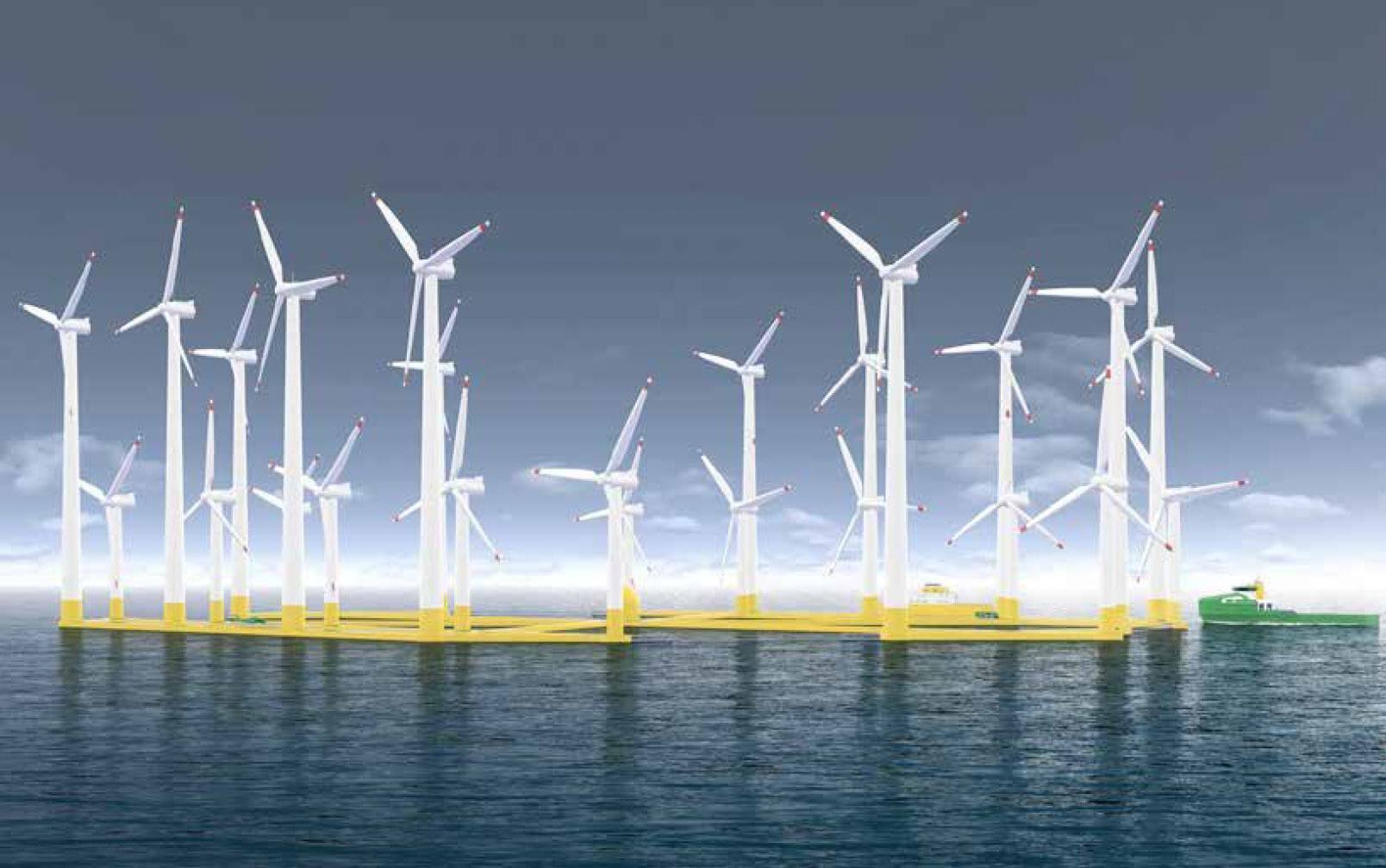
We need that kind of vision again if we are to harness wind energy off our coasts. So far, our progress in this regard has been limited. According to Peter Coyle, a former high-ranking civil servant, Ireland had the chance to be a leader in offshore wind 20 years ago when the worldâs second, and at the time largest, wind farm was built off Arklow. While phase 2 of this scheme is expected to start producing electricity by 2025, Arklow remains our only offshore project.
The reason for that lost opportunity is that senior officials treated such ideas with scorn. âWe didnât take up that opportunity,â Mr Coyle told the Oireachtas committee on environment and climate action. âI am one of those who did not take up the opportunity. We scoffed a lot at offshore wind.â
Danish Example
The Danes were not so dismissive. Denmark became the pioneer of offshore wind production instead, and now has 23,000 people employed in the industry.
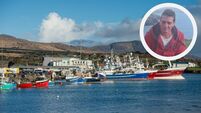
Mr Coyle worked for the Department of Enterprise, Trade and Employment for 30 years and his last role was as head of Enterprise Ireland. He is now chairman of the Marine Renewables Industry Association. It is refreshing when someone who spent so long in a powerful position in the civil service admits they got it wrong. Given such honesty, we should listen to him now when he says that we still have a chance to become a world leader with the next generation of offshore wind farms in the 2030s which would use floating turbine technology instead of the current fixed bottom structures.
We are already ahead of the posse when it comes to onshore wind energy. Irelandâs wind energy hit a new record in February, supplying nearly 53% of electricity demand, the highest ever. If we could now harness offshore wind we could become a major net exporter of energy, something that even the pioneers of the 1920s could not have imagined.
CLIMATE & SUSTAINABILITY HUB
CONNECT WITH US TODAY
Be the first to know the latest news and updates