‘Something to say where my blood is from’: UK-born adoptee wins Irish passport battle
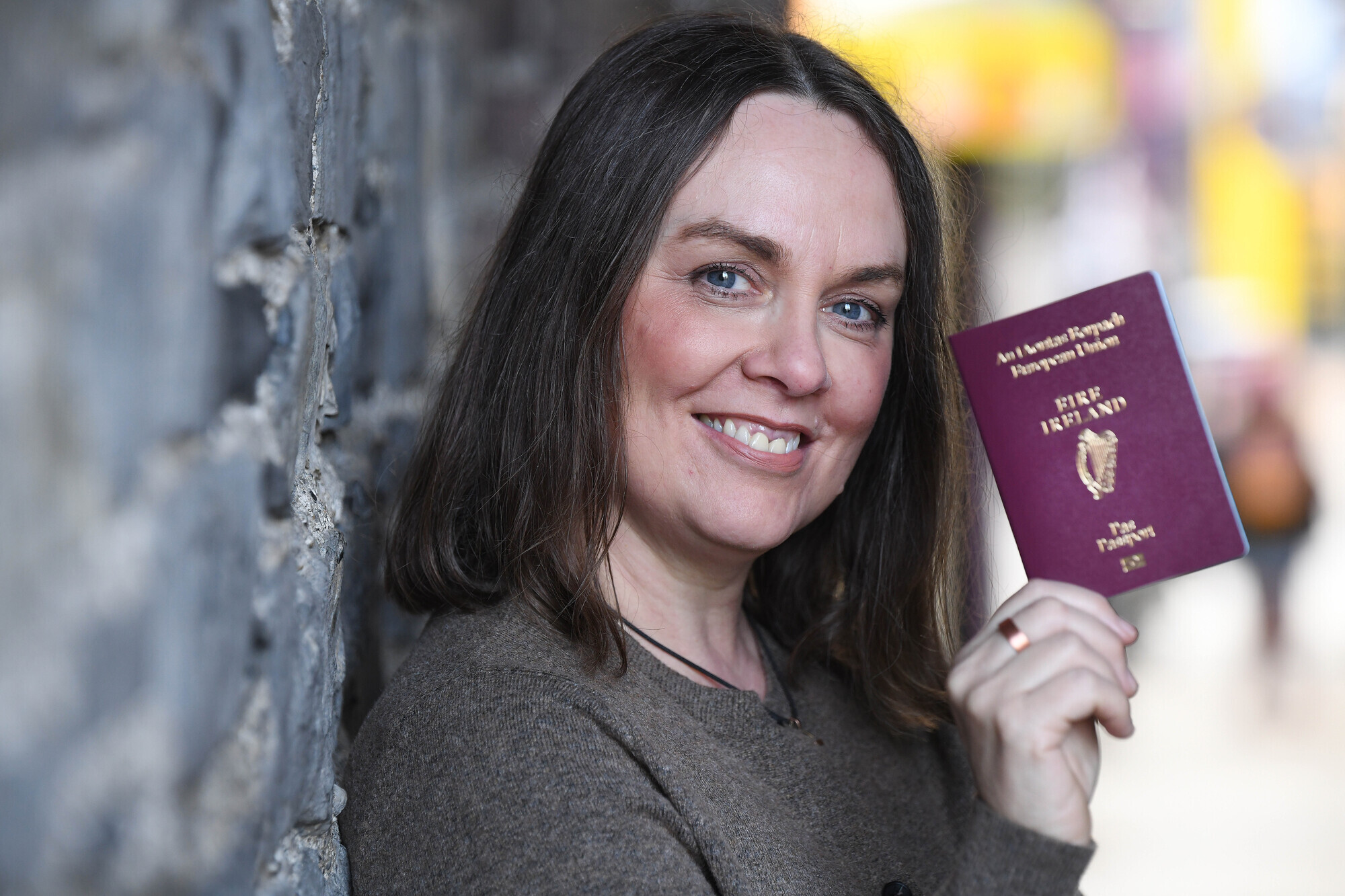
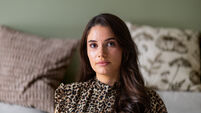
Sarah Fairfoull: 'I wanted my mother’s identity because of the journey she went on as an unmarried mother.' Picture: Moya Nolan
Sarah Fairfoull has always considered herself to be Irish despite being born in the UK. Her birth mother was forcibly removed from her hometown of Belmullet in Co Cavan in the 1970s and shipped off to Britain to give birth in secret.
This was not unusual for the time, the young unmarried mother being one of thousands of Irish women who were banished from their hometowns to give birth in secret after falling pregnant outside of wedlock.
Sarah’s mother was sent to Manchester and gave birth on September 12, 1972. Sarah remained with her birth mother for six weeks before she was placed in foster care by the Catholic Rescue Society.
Sarah was officially adopted on December 4 by Andrew and Sheila Fairfoull — her father died 14 years ago, while her adoptive mother is still alive. Named Karen by her birth mother, her name was changed to Sarah by her adoptive parents, the Fairfoulls, and she was given their surname.
Sarah began tracing her biological roots some years ago, having received details to help piece her identity together. She says she was determined to get an Irish passport and to apply for it using the fact she was the biological daughter of an Irish woman.
“I wanted my mother’s identity because of the journey she went on as an unmarried mother,” she says. “I wanted it for myself to say yes — I now have something to say this is where my blood is from."
“Even though I live in the UK, I needed something that was my mother's and I wanted to connect with her hometown. It was important for me to have that legal document."
Sarah could have applied for a passport in her adoptive grandfather’s name, as he hailed from Galway, but instead was determined to follow the route of her birth mother.
She says it is a basic human right to “know who you are”, and obtaining official documentation that reflected that has been hugely beneficial.
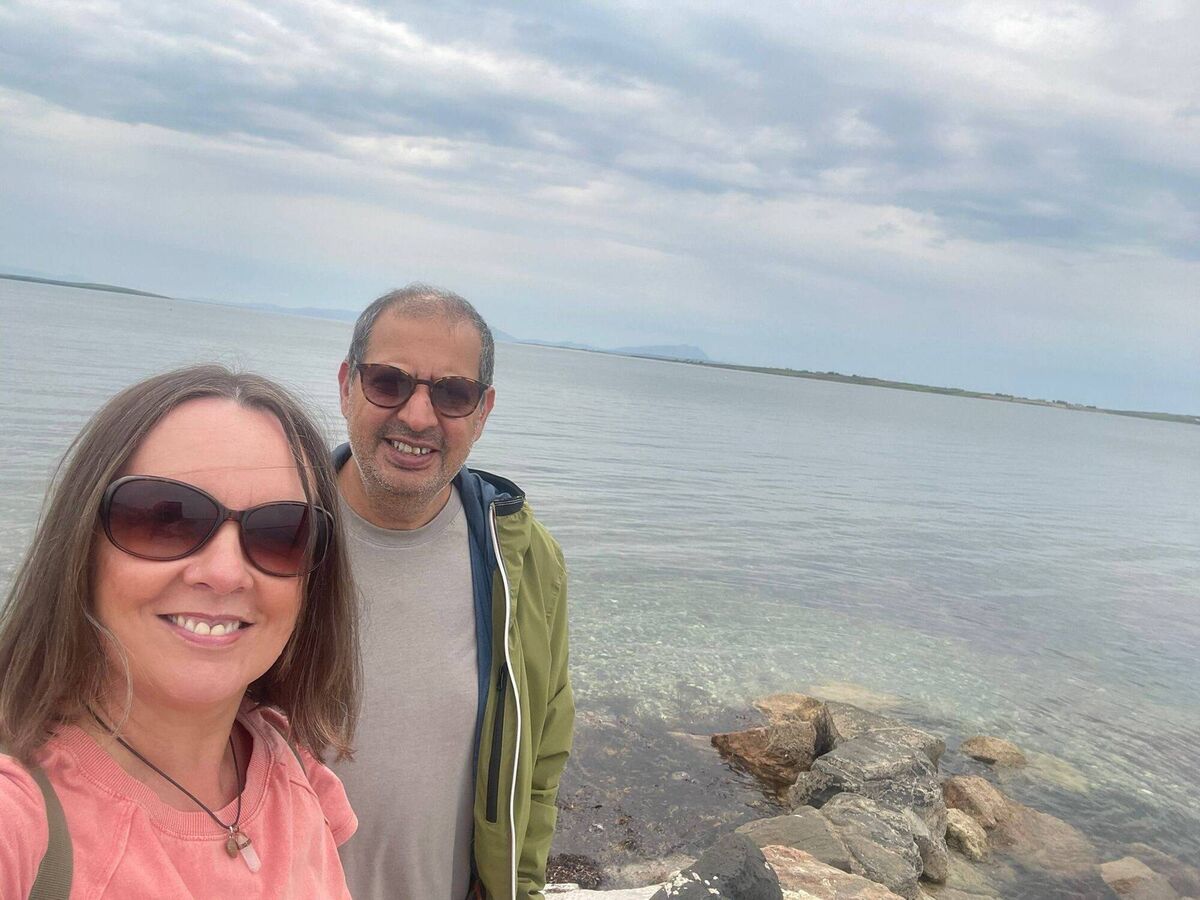
Sarah, a mother of three, travelled to Belmullet earlier this year with her husband Shakir Raza and says she found the trip “healing”.
“Just being there and seeing my mother's home place, the scenery and beauty, it was amazing, I felt so at peace there”, she said.
After returning to the UK, her new Irish passport arrived the following day.
“I have been trying for a while to get this resolved, my cousins on my adoptive side both got their passports through our grandfather from Galway.
“But I wanted it through my birth mother. It was a bit of a fight, but I said I am going to get this through my bloodline."
Securing it involved lengthy correspondence with the Department of Foreign Affairs and the Adoption Authority of Ireland, but Sarah says it was worth the effort.
“I gave them my original name and, in the end, I got the passport. I felt at peace when it arrived."
Having grown up with an adoptive family with Irish roots, Sarah says she felt very much at home following her visit to Ireland this year.
“I met people who look like me and I do really connect with Ireland. Visiting the country was so surreal. I just loved it.
“All along, I wanted that acknowledgement of this is who you are and this is where you are from.”
Neither the Department of Foreign Affairs or the Adoption Authority could provide figures on how many adopted people have applied for passports using their connections to a biological parent, but it is understood there are more like Sarah pursuing this route.
Sarah is keen to encourage other adoptees who want to piece together their identity to do the same.
“Something so simple as a passport — it does mean the world.”

CONNECT WITH US TODAY



Be the first to know the latest news and updates