Irish Examiner view: Hunt continues for invisible enemy
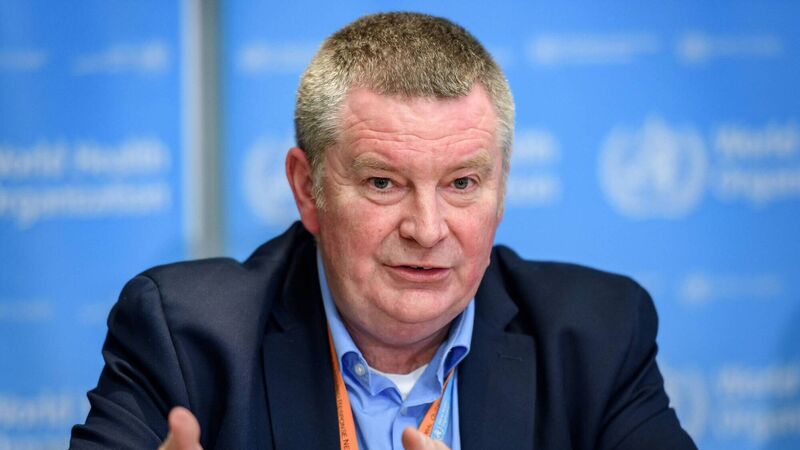
Michael Ryan, the WHO’s emergencies director, said it may be the 'last chance to understand the origins of this virus' in a collegiate manner. File picture: Fabrice Coffrini/Getty images
Many years ago, in the days of fuzzy black and white analogue TV, there was a drama series that had real world scientists as its heroes. It was based on the life and achievements of Louis Pasteur, the French chemist and microbiologist credited, among other things, with identifying the principles of vaccination and the treatment of raw foodstuffs such as milk, usually through the application of mild heat, to remove organisms which can cause illness. He also, along the way, developed vaccines to combat rabies and anthrax.
Pasteur, in the 19th century, possessed what the 20th century science fiction satirist Douglas Adams described as “a brain the size of a planet”. He was also a remarkable communicator explaining to sceptics that his role, and that of colleagues, was to “find the invisible enemy” and overcome it. was the title chosen for the TV series.
Years later, aficionados may know, the same title was selected for a series of episodes in which the Time Lord had to battle a sentient pathogen which boasts: “The age of Man has ended. The age of the Virus has begun.” It is ultimately defeated by the development of antibodies in its potential victims.
Examining the decision of the World Health Organisation to make one more attempt to confirm the source of Covid-19 by selecting a group of 26 experts including, fittingly, representatives of the Institut Pasteur and representing the “best minds in the world” is an important last roll of the dice before we become overwhelmed by myths and conspiracy theories which have already played a part in diminishing the willingness, particularly among younger people worldwide, to take part in the inoculation programme which still remains our best hope of getting this pandemic under control.
The elite group is being asked to devise a universal structure for examining the genesis of emerging pathogens of epidemic and pandemic potential including Middle East respiratory syndrome (Mers), ebola, and Sars-CoV-2. Michael Ryan, the WHO’s emergencies director, said it may be the “last chance to understand the origins of this virus” in a collegiate manner.
There is huge potential for tension with China, where the virus was first detected, in Wuhan, in December 2019. But it is certain that the answer as to its source will be found here on Earth and not on ’s planet of Gallifrey. Therefore our best scientists, and the World Health Organisation, must be brave with their conclusions if they need to be.
CONNECT WITH US TODAY



Be the first to know the latest news and updates