In a networked world it is always a good idea to be aware of what the neighbours are up to, and certainly so when changes are being mooted in nearby jurisdictions which affect freedom of access to information.
Just across the sea, Britain has a new information commissioner-in-waiting, John Edwards, whose preliminary mood music includes the idea (rejected five years ago) that applicants who want to know what exists in official records should bear a greater burden of the costs of retrieval. There already exists the ability to levy a charge for photocopies and postage â quaintly called âdisbursementsâ â but Mr Edwards has a different order of magnitude in mind.
He frets over the fact that âthe new electronic way of workingâ has led to a âproliferation of informationâ and that people exercising their right to ask for details can create an âextraordinaryâ administrative burden which requires a department to âin effect, empty their pocketsâ.
Then, in a quote that would not be out of place if it emanated from Charles Dickensâ office of circumlocution in Little Dorrit, he suggests that members of the public should be more trusting of organisations.
It is no secret that freedom of information is not popular among the British ruling classes of whatever hue. Tony Blair was candid when he published his memoirs.
âYou idiot. You naive, foolish, irresponsible nincompoop. There is really no description of stupidity, no matter how vivid, that is adequate. I quake at the imbecility of it.
âFor political leaders, itâs like saying to someone who is hitting you over the head with a stick, âHey, try this insteadâ, and handing them a mallet.â
In Ireland, it is unlikely that prevailing opinions are so very different and attitudes to transparency have been demonstrated by the dance of the seven veils over who knew what and when about the appointment of Katherine Zappone to the UN special envoy position.
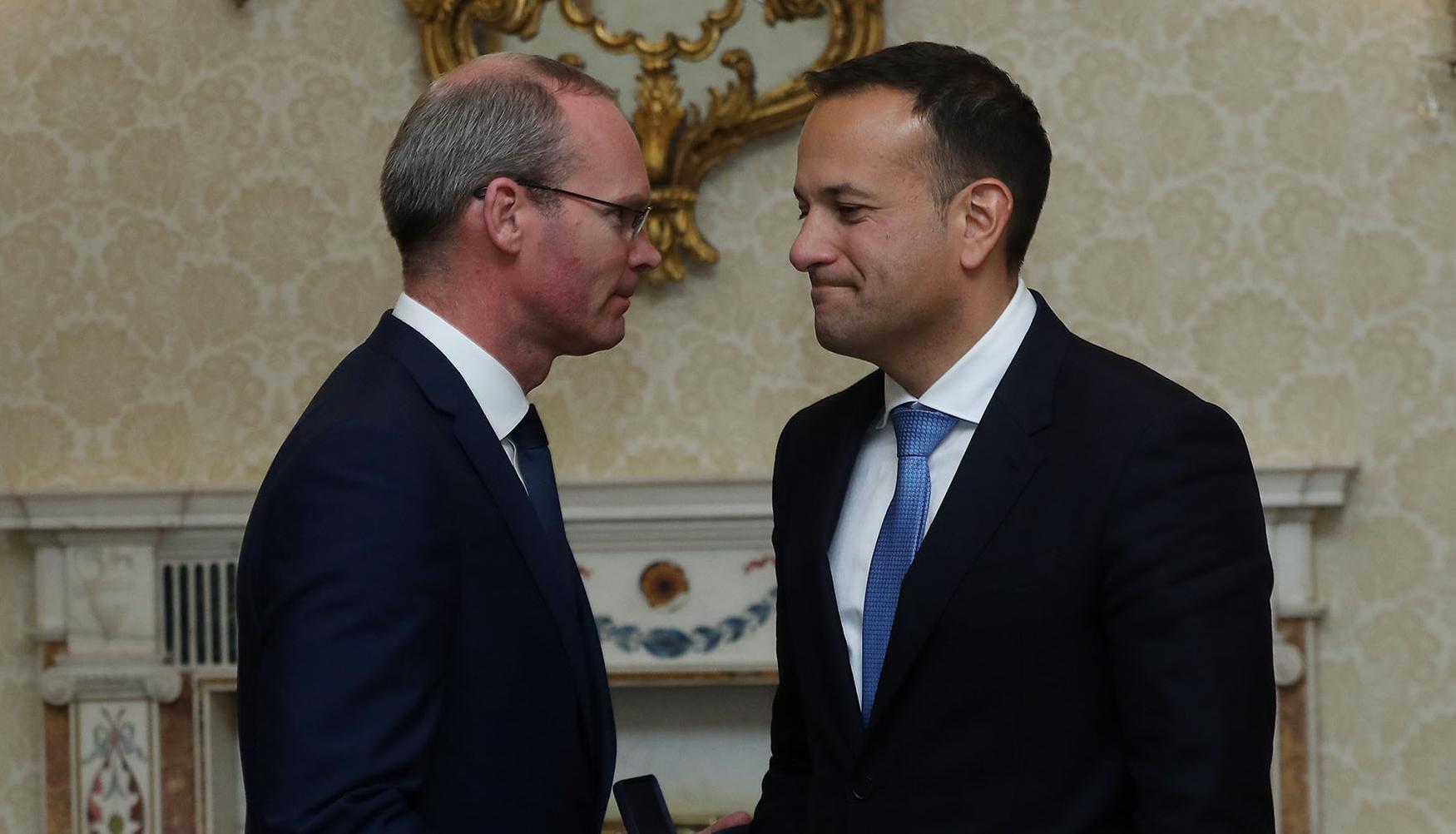
For weeks now, Simon Coveney has had to adjust and explain his position while text messages have been teased out for release and context. Arguments take place as to whether these form part of the official record and it is worth noting that similar disputes have swirled and eddied around Westminster over the use of personal mobile phones, private email accounts, and even the deployment of Post-It notes to circumvent conventional rules of transparency and disclosure. While Mr Coveneyâs travails will continue with an embarrassing vote of no confidence, there are more important issues for the Republic.Â
The country faces huge challenges in the next month as the foundations are put in place for the National Development Plan, the Climate Action Plan, and Budget 2022. At its core and beyond are issues of trust which are fundamental for progress to be made. This is a time for over-compensating on matters of openness and clarity by those who govern to win the support of those who are governed. In Little Dorrit, one of the men who ran the office of circumlocution was called Tite Barnacle. He would greet enquirers by saying: âOh, no. Oh, no. Thatâs not the way to do it. Upon my soul, you mustnât just barge in here saying you want to know, you know.â
It is no precept to follow.

Subscribe to access all of the Irish Examiner.
Try unlimited access from only âŹ1.50 a week
Already a subscriber? Sign in
CONNECT WITH US TODAY
Be the first to know the latest news and updates