Irish Examiner view: Another plea as time runs out on climate change
Water charges, waste fees, farming, and fossil fuels all up for discussion as OECD report concludes that we 'can and must do better'
Irish Examiner view: Another plea as time runs out on climate change

There were no unknown unknowns, or even known unknowns, in the Organisation for Economic Co-operation and Development’s (OECD) report card on how we have, or have not, changed over the last decade to better avert climate collapse.

Its conclusions were as predictable as some of the 'over our dead body' responses that bedevil this crisis, sustain division, and delay inevitable, increasingly pressing change.

The report offered many challenges. However, the tenor of the report is, largely, a version of a weary teacher’s assessment of an underperforming pupil: “Can and must do better” — pretty much a standard reaction to Ireland’s response to this deepening challenge. 

Like so many before it, it highlighted the relationship between increased pressure on the environment and economic growth. 

If managing that Faustian pact in a society as informed, as this is more than challenging, imagine how very difficult it might be in a country trying to raise millions from poverty.

This multi-layered crisis requires a commitment to equity and justice that have not yet shaped the West’s relationship with the developing world.

Minimum targets

The OECD, unsurprisingly, warned that we need to reconsider domestic water charges, increase waste fees, and impose congestion charges to meet agreed but minimum targets.

Those opposed to charges warned of renewed opposition, even though this is the only OECD country without water charges. 

One distressing EPA water report after another, increasing demand and that almost 50 urban centres discharge sewage into waterways means the status quo cannot continue. 

How these issues are resolved is uncertain but they must be before over-stretched water systems implode and make water rationing more than likely.

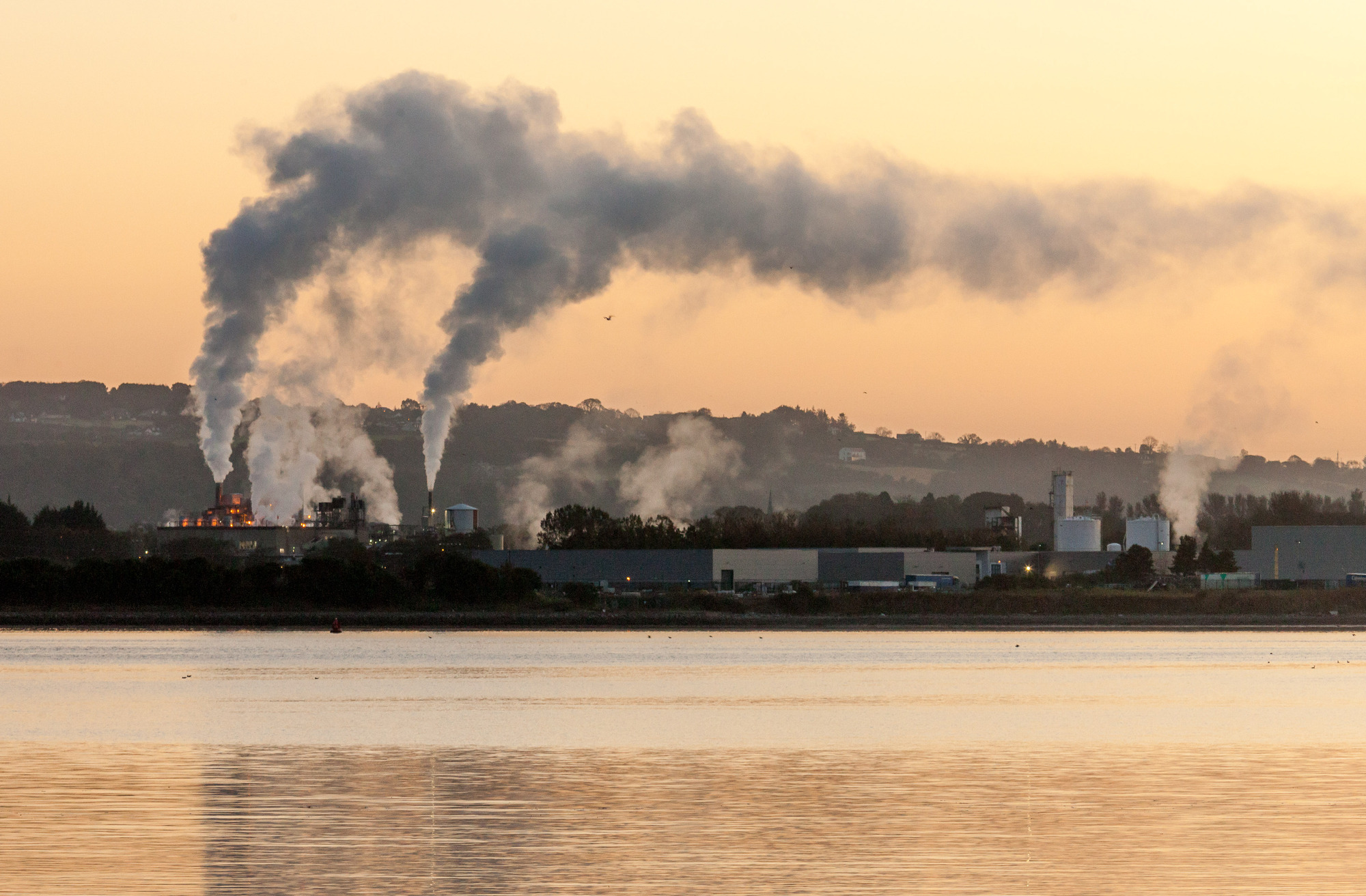
A further challenge to traditional comforts came when the report called for accelerated ambition on a ban on bituminous fuels and sidelining “smoky” fuels such as peat or wet wood. 

Data gathered in 2019 showed that fossil fuels accounted for 88% of Ireland’s energy, while the OECD average stands at 79%. Oil made up 47% of that while the OECD average was 35%. 

Can and must do better indeed.

Farming

Farming was addressed in a way that questions long-standing supports. The document urged a cut in biogenic methane driven by livestock production.

It also recommended ending Vat exemptions on fertilisers and animal feeds, “as well as the tax concession on fuel used for farm operations”.

That these observations come as talks on the CAP after 2023 place an emphasis on sustainability suggest significant change. 

Net greenhouse gas emissions from farming have been rising since 2011, to 35.3% of the national total by 2018. 

Cattle expansion, particularly dairy drives this graph as does the increased use of artificial fertilisers.

The is report shows that comparable change is needed in farming, housing, energy production, and transport but, like that weary teacher faced by an indifferent pupil, a change in attitude must come first. 

The OECD, the EU, the EPA, and many other organisations have warned that we must change while we still can.

It’s nearly time we listened.

CLIMATE & SUSTAINABILITY HUB

More in this section

Revoiced

Newsletter

Sign up to the best reads of the week from irishexaminer.com selected just for you.

Cookie Policy Privacy Policy Brand Safety FAQ Help Contact Us Terms and Conditions

© Examiner Echo Group Limited