Irish Examiner view: Casual use of public funds is corrosive
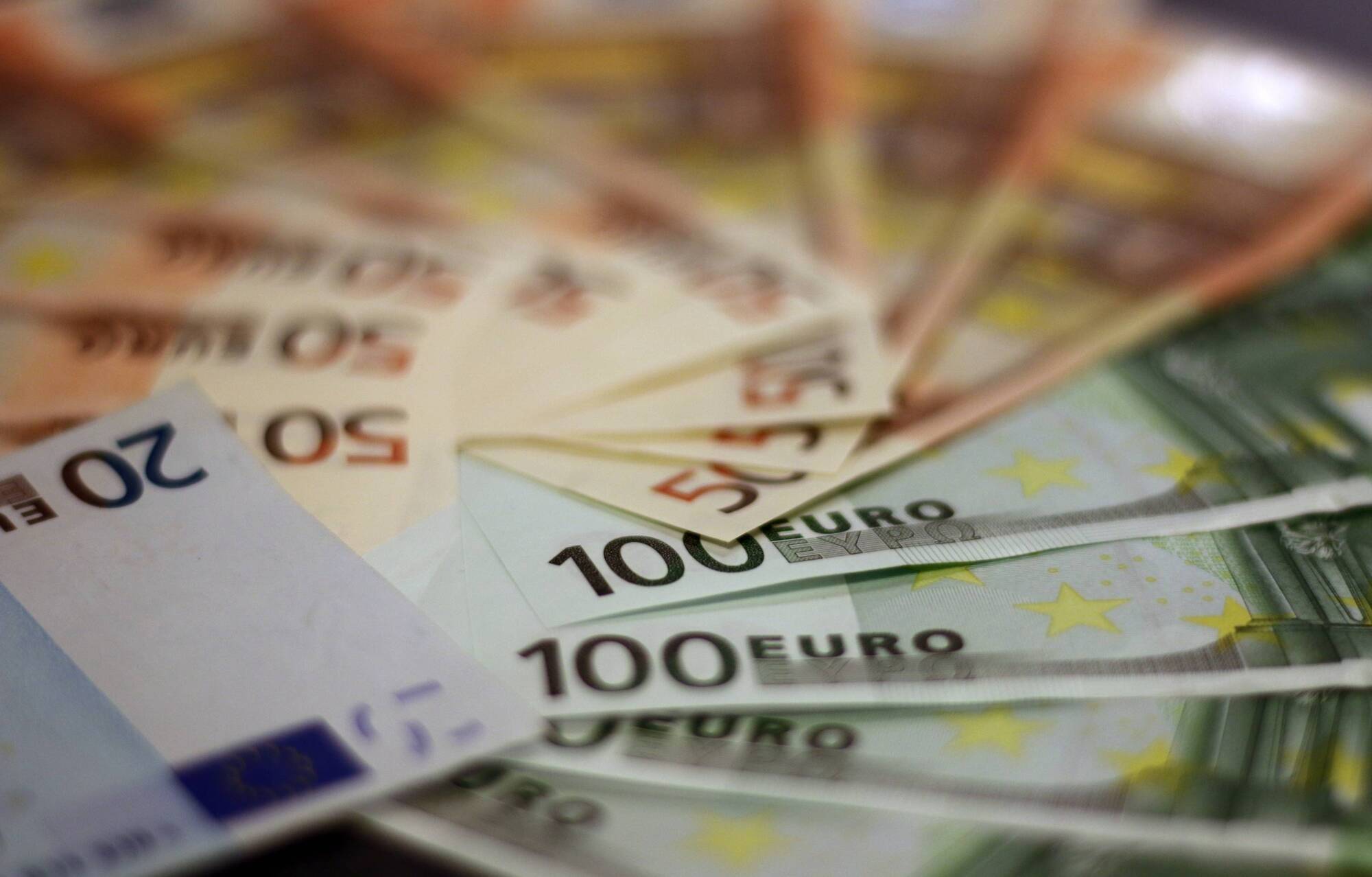
The State's management of public finances is sorely lacking. Picture: Pexels
Two years ago, before the pandemic changed everything, a figure just below €90bn flowed through Government coffers. Revenues rose by 6.2% to €89.1bn while expenditure grew by 5.0% to €87.6bn. An increase in taxes of €4.1bn — up 6.7% — drove higher revenues. Tremendous as these figures seem, even the €90bn top line, they are just a little more than half the personal wealth attributed to Amazon's Jeff Bezos. How he, or any of the world's 2,755 billionaires — up 660 in the last year according to Forbes — manage their wealth can only be a matter of conjecture but it is unlikely that those employed to do so can anticipate a lengthy career should there be significant leakage.
It is, of course, comparing apples and oranges to apply the same expectations around financial management to public expenditure where entirely different schemes, influences, and objectives apply. That difference has not, however, stopped those of a particularly crusty worldview regularly suggesting that one captain of industry or other, invariably a strident, uncompromising figure, should be asked to, say, "sort out the health service". Â
Those calls are more an expression of frustration than anything else but they are all too often validated by what seems a casualness around managing public resources, a casualness exacerbated by what might be described as accountability lite. That frustration stands even if it is absolutely unreasonable to expect the management of Government expenditure to be a flawless, leak and wastage-free exercise — especially as political needs rather than prudent accountancy can often apply.

The sorry saga of the national children's hospital sets a disheartening benchmark in the relationship between public need, ambition, and delivery. The whiff around the proposed €86.3m Garda command centre in Dublin and several more questionable Office of Public Works projects add to the all too corrosive perception.
The OPW's record of mismanagement is startling but unsurprising as, in 2018, the OPW told the Oireachtas PAC committee that nobody at board level in the organisation, the agency responsible for managing the State's property portfolio, had a qualification in property valuation. That may explain why, according to the C&AG, the state paid "at least twice the market price at the time for well-positioned agricultural land” for Thornton Hall, the proposed but abandoned North Dublin site for a mega-prison.
Though the State has spent over €50m buying and servicing the site no development has taken place and the Prison Service has no active interest in it. Yet, the cost of maintaining the Marie Celest farm continues to climb. Department of Justice figures show that security and maintenance in 2018 cost €51,000, €63,000 in 2019. That figure hit €325,000 last year, nearly €1,000 a day. If the grand scheme of things, certainly in the Bezos scheme of things, these are modest figures but they underline a Monopoly Board flagrancy with public funds that always has consequences.
Just yesterday, the Irish Hospital Consultants' Association pointed out that Ireland is "very much behind" other European countries on mental health services. We have just 22 acute mental health beds per 100,000 population, compared with the EU average of 70. It is impossible not to argue that if huge sums had not been squandered in one blank cheque project or another that we could better address that situation.
Just as the gap between the world's 2,755 billionaires and the majority of humanity is far too wide the gap between the accountability around private funds and public spending is far too great. Ironically, it would be to everyone's benefit if that inconsistency was addressed with political enthusiasm.