Irish Examiner view: Junk food giants and the fight against obesity
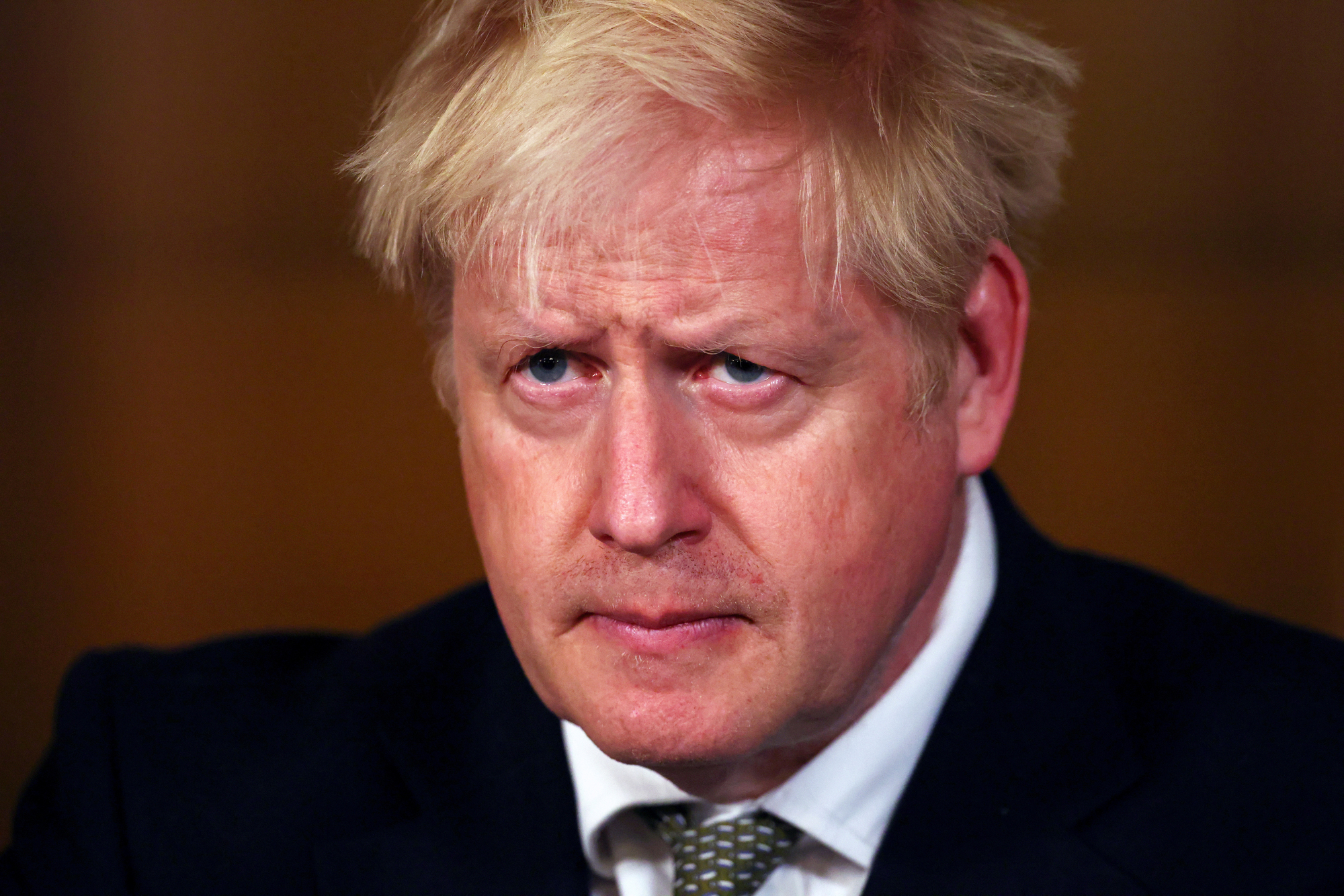
UK prime minister Boris Johnson has promised to introduce a ban on online junk food advertising aimed at children.
There are few events as persuasive as a brush with mortality. A minor, dip-in-the-sea boating accident can make someone champion, and a persistent nag, for lifebelts.
A teenager’s car crash can turn that person into a careful, considerate driver; getting your fingers burnt is still one of the very best lessons anyone can experience.
A brush with death can provoke a Pauline conversion even in the most unexpected quarters.
Though Boris Johnson inspires many things and it is not always easy to agree with him, his brush with the certainty of finality when he was sick with coronavirus has had, or may yet have, positive consequences.
He was overweight and more vulnerable than he might have been had he been a less enthusiastic diner.
Shaken, he lost a good deal of weight. He also, and more importantly, promised to introduce a ban on online junk food advertising aimed at children.
He promised the toughest digital marketing restrictions in the world as a foil to obesity but, as is all too often the case with Mr Johnson, promise and delivery remain strangers.
As the Greensill Capital lobbying controversy shows, Johnson may have to resist the paid-for blandishments of former party colleagues to make that laudable promise real — or he, as is feared, may have already quietly put their needs before public health measures showing, once again, the almost uncontrollable power of the food sector.
In Ireland, that issue has been confronted in a different way.
A study by Ipsos MRBI for the Irish Heart Foundation has found that 76% of people would welcome a ban on celebrities promoting junk food.

Even more of us — 85% — support a ban on unhealthy food and drink brands’ advertisements embedded within games and apps used by children under 16.
This move to that platform, so often beyond the watchful eyes of parents, accelerated after a partial ban on broadcast advertising aimed at children was introduced in 2013.
Brands have inappropriate proximity to children online, engaging relentlessly in school, at home, and even in their bedrooms, primarily through smartphones, warns the IHF.
As the WHO has repeatedly warned, it is time for Ireland, on course to become the most obese country in Europe this decade, to update legislation to cope with the consequences of that 2013 broadcasting limitation, especially as traditional broadcasters are increasingly leapfrogged by younger audiences.
It is time, too, to realise that much of today’s food industry is at the point tobacco was maybe 30 years ago.
Their prospects and profits depend on otherwise sensible people turning a blind eye to the impact their products can have.
Should that realisation become widespread and change habits, it would be a thoroughly positive Pauline conversion we could all celebrate, whether Boris introduces the ban on junk food ads or not.
After all, civilisation did not end when tobacco and drink advertising was greatly constrained.