Irish Examiner view: €405m funding marks new era of growth for Cork
Urban regeneration of city and docklands will turn lofty aspirations into concrete reality
Irish Examiner view: €405m funding marks new era of growth for Cork

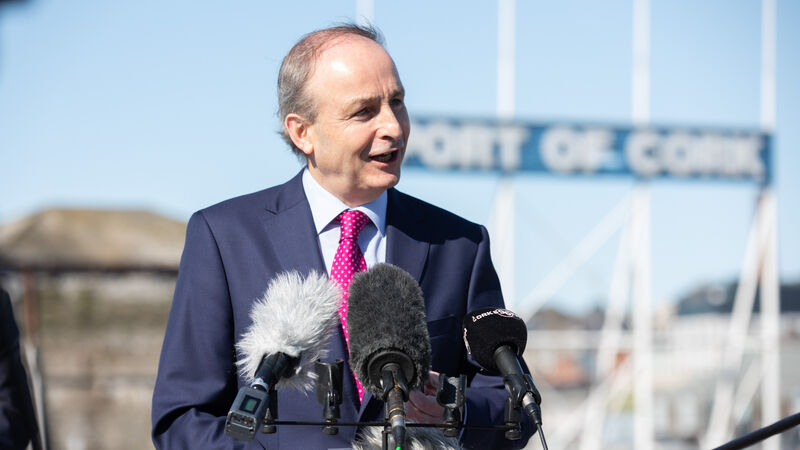
An Taoiseach Micheál Martin at Cork docklands for the announcement of  significant government investment in Cork City Docklands and the Grand Parade Quarter under Ireland 2040’s Urban Regeneration and Development Fund (URDF).


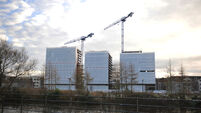
The allocation of €405m in funding for the regeneration of Cork City and docklands represents the kind of investment needed to turn lofty aspirations into concrete reality.

For decades, city plans have been big on ambition but short on the kind of significant investment needed to transform our urban centres into “better places in which to live, visit, and invest”, as Taoiseach Micheál Martin put it yesterday when he announced a regeneration plan that finally stumps up the kind of money needed to bring about real change.

The regeneration package is the largest allocation for a single local authority in the country. It will finally allow that body to build the infrastructure — roads, bridges, flood defences — needed to attract investors and residents to the city’s vast docklands site.

Some €353m is earmarked for the docklands quarter, which will be spent on a mix of apartments, schools, and sports and recreation facilities to cater for up to 25,000 people. A €46m investment in the Grand Parade area will go a long way towards reimagining the city as a ‘neighbourhood’ rather than just a commercial centre.

There are plans to build a new central library and revamp Bishop Lucey Park to create a public space linking Grand Parade and South Main St. That is the kind of development with real potential to make our cities more people-friendly.

We have seen in recent months how steps to make urban spaces more liveable can reduce traffic and increase footfall, not to mention morale. Some of the temporary measures introduced in Cork and elsewhere, such as al fresco dining, pedestrianisation, and cycle lanes, have been transformative.

When the pandemic brought the shutters down on the commercial heart of our towns and cities, it forced us to rethink how we lived, worked, and travelled. Here, and in cities all around the world, there was renewed interest in a model of urban living known as the ‘15-minute city’.

The idea behind that model is to improve quality of life by designing urban centres where people live no more than 15 minutes away from offices, restaurants, and sporting, cultural, and other facilities. The funding announced yesterday means we are a step closer to ensuring our built environments fulfil that model’s six essential functions: Living, working, supplying, caring, learning, and enjoying. We might add safety to that list to make women feel a little safer in the public sphere by ensuring good street lighting and CCTV.

The investment is also very welcome because it shifts the focus outside the capital and shows the Government is starting to make good on its promise to develop regional cities of scale. The National Spatial Strategy promised a better spread of job opportunities, a better quality of life for all, and better places to live in. Funding for city rejuvenation projects in Waterford was announced earlier this week, followed by news of €100m for two major initiatives in Limerick.

Along with yesterday’s welcome announcement for Cork, these are very important steps on the way to ensuring a better balance of social and economic development across Ireland.

More in this section

Revoiced

Newsletter

Sign up to the best reads of the week from irishexaminer.com selected just for you.

Cookie Policy Privacy Policy Brand Safety FAQ Help Contact Us Terms and Conditions

© Examiner Echo Group Limited