Will mass protests change the future for Belarus?
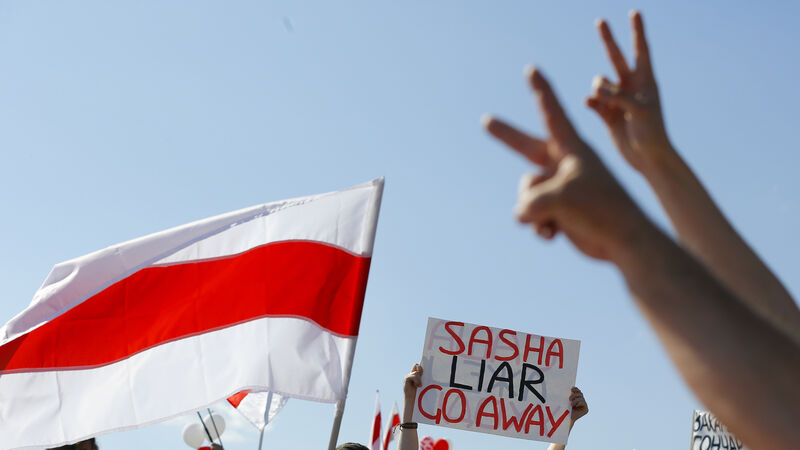
Despite the tightening grip of Covid-19, and its draining economic fallout, the great struggles of ordinary life — and history — continue. This morning almost 10m Belarusians will, like everyone else, begin a new week — but they will have a better idea of what their immediate future might hold. Will they, as they have been for 26 years, still be subject to the authoritarianism, brutality, and iron grip of Alexander Lukashenko, or might yesterday’s mass protests in Minsk turn the country towards a different future?
If Lukashenko again uses force to quell those protests, it will show he has the continuing support of Moscow and feels free to ignore the great number of Belarusians who fear that the recent election, which apparently gave Lukashenko 80% of the popular vote, was compromised.


Read

Listen

Watch

Play
CONNECT WITH US TODAY



Be the first to know the latest news and updates




Revoiced
Newsletter

Had a busy week? Sign up for some of the best reads from the week gone by. Selected just for you.

Lunchtime News
Newsletter
Get a lunch briefing straight to your inbox at noon daily. Also be the first to know with our occasional Breaking News emails.
Revoiced
Newsletter
Had a busy week? Sign up for some of the best reads from the week gone by. Selected just for you.


Most Read
Saturday, May 9, 2026 - 7:00 PM
Saturday, May 9, 2026 - 7:00 PM
Saturday, May 9, 2026 - 7:00 PM