Blasket calling: 23,000 applications for one job
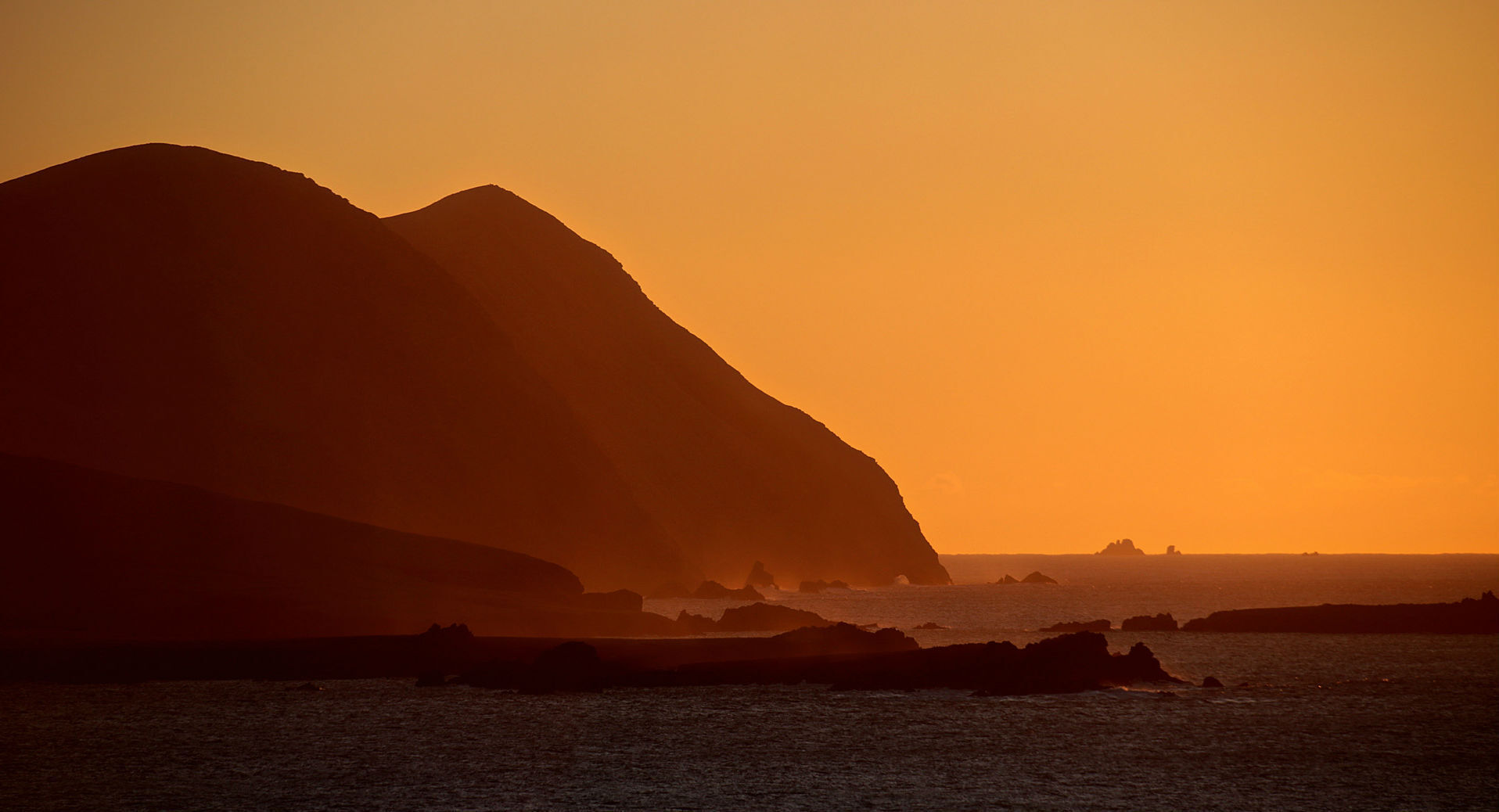
Like many great artists, poet WB Yeats recognised the enduring human need to reconnect with an imagined, probably lost idyll when he wrote The Lake Isle of Innisfree, in 1888: “I will arise and go now, and go to Innisfree, And a small cabin build there, of clay and wattles made; Nine bean-rows will I have there, a hive for the honey-bee, And live alone in the bee-loud glade. And I shall have some peace there, for peace comes dropping slow, Dropping from the veils of the morning to where the cricket sings.”

Blasket calling: 23,000 applications for one job

Like many great artists, poet WB Yeats recognised the enduring human need to reconnect with an imagined, probably lost idyll when he wrote The Lake Isle of Innisfree, in 1888:

I will arise and go now, and go to Innisfree,

And a small cabin build there, of clay and wattles made;

Nine bean-rows will I have there, a hive for the honey-bee,

And live alone in the bee-loud glade.

And I shall have some peace there, for peace comes dropping slow,

Dropping from the veils of the morning to where the cricket sings

The simplicity and romance of that ambition resonates today. Indeed, it may be behind the fact that almost 23,000 people have applied for a job on the Great Blasket Island, managing three cottages and a coffee shop. The attractions of a summer on the Great Blasket are undeniable, but that so many people applied must speak to a discontent — the kind Blasket writer Peig Sayers shared with generations of captive schoolchildren. Whoever gets the job should read Peig before they leave Dingle. After all, there are two sides to every story, even back-to-nature romances.

x

More in this section

Revoiced

Newsletter

Sign up to the best reads of the week from irishexaminer.com selected just for you.

Cookie Policy Privacy Policy Brand Safety FAQ Help Contact Us Terms and Conditions

© Examiner Echo Group Limited