Linguistic shifts and poisoned words
The meaning of words, so the etymologists tell us, can be changed through the centuries by fashion, foreign influences, and carelessness. English is especially vulnerable to mutations that can enrich the vocabulary and sometimes infuriate. To flirt in the 1600s was to make an unexpected sharp movement. Nice began as a negative description of an idiot, stance described an ungainly position.
But what has happened to the excellent Greek import, phobia, which until now has meant fear, rational or otherwise, of, for example, snakes, spiders, heights, confined spaces, flying, and dentistry?
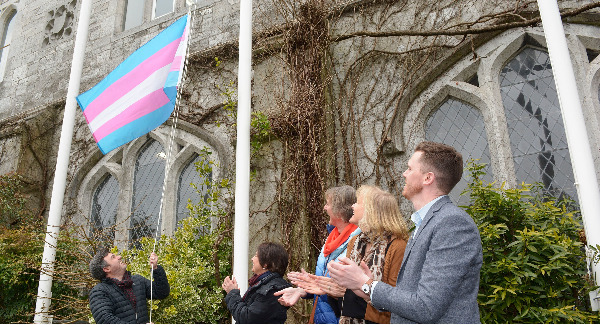
Worryingly, its employment as a suffix in Islamophobia and transphobia is now ubiquitous and unchallenged, and the inference we are required to take is that they are expressions of a hatred of Muslims and transsexual people so fierce as to be likely to incite violence or discrimination. The danger in linguistic shifts of this kind is that the entirely legitimate examination and critiques of religions and of the arguments around gender identification could be shut down.
A mere phobia is not a crime; new words are needed.

CONNECT WITH US TODAY



Be the first to know the latest news and updates