Rejuvenating the EU: Macron right to demand EU reforms
Our capacity to absorb, to move on, to learn from trauma is a survival mechanism to try to live contented lives.

Rejuvenating the EU: Macron right to demand EU reforms

Our capacity to absorb, to move on, to learn from trauma is a survival mechanism to try to live contented lives. Sometimes, if memory is too disturbing, we deliberately forget; we block out grim circumstances that made our lives far harder than they might have been. That denial-to-survive may silence memory, but it does not purge it.

We may wear rose-tinted glasses as we look backward, but the ghosts linger. How we process our past shapes our character, behaviour, and expectations. Simple, random time frames memory, too.

No Irish person under the age of, say, 50, can have a reliable understanding of how this country struggled to provide basic living standards before we, along with Britain, joined the EEC in 1973.

At a moment when the centrist, largely liberal politics that drive the European project face great challenge, that demarcation assumes a new significance — especially as most of Europe’s 512m citizens will have a chance to vote on a new parliament in less than three months.

Though Brexit was decided by Britain’s older voters, we must rely on older Irish voters to winnow fantasy from fact; we must rely on them not to betray the principles that have made Europe, especially this region of it, among the richest and most stable in history.

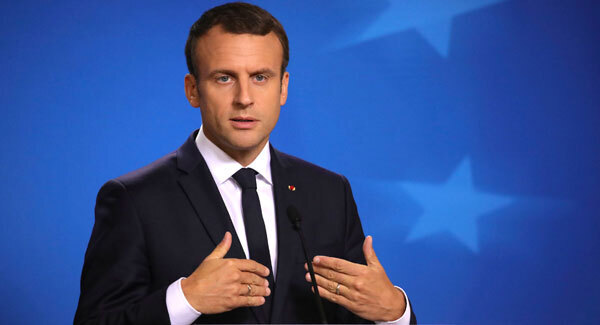
These are the grand issues that French president, Emmanuel Macron, spoke to earlier this week, when he addressed the challenges faced by today’s EU.

Never, since the Second World War, has Europe been so essential,” he said, “yet never has Europe been in so much danger.

A pro-European centrist, Macron called for a new EU agency to fight international cyber-attacks and the manipulation of election results, as well as a veto on foreign powers funding European parties.

He presented a range of proposals for change, including tougher joint action on internet hate speech, the supervision of internet giants, stiffer competition rules, a minimum wage, and a new defence treaty. He also proposed that a kind of EU citizens’ forum should be involved in designing EU reforms.

These are the nuts and bolts of his “roadmap to European renewal”, but the most important element was his admission that the EU must reform to rejuvenate the prosperity and peace it delivered for so very long. He warned that the lessons of Brexit must be learned and acknowledged that vote as an example of how people could turn away from the EU, if it is just seen as a “soulless market” rather than “a historic success, the reconciliation of a devastated continent in an unprecedented project of peace, prosperity, and freedom”.

It is all too easy to be cynical about democratic politicians, but, nonetheless, we should divert some of the energy we are investing in remembering national foundation events of a century ago to remembering a more recent event, as significant as independence. Even better, we should take off the tinted glasses — rose-tinted or green-hued — so we might fully realise the great gifts of European solidarity. That fact stands, despite the challenges and difficulties that collegiality imposes. Any doubt about that can be set aside by considering the alternatives — and by recalling what this small, powerless society was really like just a lifetime ago.

More in this section

Revoiced

Newsletter

Sign up to the best reads of the week from irishexaminer.com selected just for you.

Cookie Policy Privacy Policy Brand Safety FAQ Help Contact Us Terms and Conditions

© Examiner Echo Group Limited