House of Commons manoeuvres - Honourable but pointless?
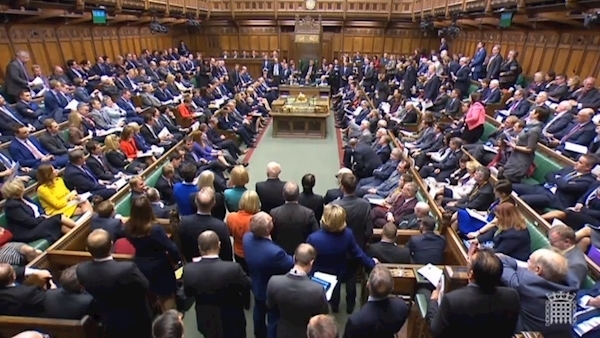
It is natural that we view events through the prism of our beliefs. The 52% of Britons who voted to quit the EU will regard the resignation of seven MPs from the Labour party earlier this week, and yesterday’s decision by three Tory MPs to follow them, as good riddance.
The “betrayers” trying to delay Brexit, or at least trying to reach agreement on the least damaging divorce, have been the target of odious criticism.


Read

Listen

Watch

Play
CONNECT WITH US TODAY



Be the first to know the latest news and updates







Revoiced
Newsletter

Had a busy week? Sign up for some of the best reads from the week gone by. Selected just for you.

Lunchtime News
Newsletter
Get a lunch briefing straight to your inbox at noon daily. Also be the first to know with our occasional Breaking News emails.
Revoiced
Newsletter
Had a busy week? Sign up for some of the best reads from the week gone by. Selected just for you.



Most Read
Wednesday, September 30, 2026 - 6:00 PM
Wednesday, September 30, 2026 - 8:00 PM
Wednesday, September 30, 2026 - 9:00 PM