May’s Brexit plan rejected: Vote showed a dangerous dysfunction
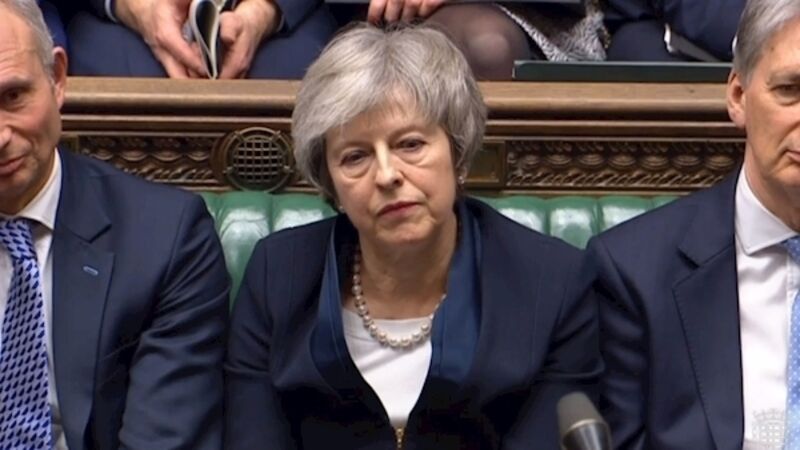
When, less than two years ago, Prime Minister Theresa May prematurely and without a roadmap of any kind, set a date for Britain’s regrettable departure from the EU, she seemed assured, as if she was underpinned by the warm confidence a happy bride-to-be might exude as she announced a wedding date.
Just 22 months later, she has been so forcefully jilted that her future as prime minister and as leader of the Conservatives never seemed more in jeopardy.

Last night’s 432 to 202 rejection of her Brexit plan means that even the absence of a clear, vaguely plausible alternative may not sustain her leadership, one that has tottered since her unwise decision to call a general election last year.
However, the fate — events, dear boy, events — shaping the career of one politician, or even a generation of politicians, pales into insignificance when compared to the tectonic-plate-shifting consequences of Brexit, especially a no-deal Brexit.
A day that had been flagged by Brexit zealots as Independence Day has turned into one that reflected all too accurately the dangerous, and frighteningly, deepening dysfunction turning British politics, the House of Commons, and wider British society into something closer to an ecstasy-fuelled, post-exams rave in Magaluf than the mother of all parliaments discharging its obligations with dignity, clarity, no little pomp, and a strong sense of common purpose.
The Dutch MEP Sophie in ‘t Veld addressed this lacuna this week when she, with the force a steel-in-the-velvet diplomat might eschew, berated the British political system’s failure to reach a consensus that could be offered to EU negotiators.
Despite two-and-a-half years to do so, Britain could not put a coherent proposal together, she said.
The country is so divided that that position may not change in the medium term and the Brextremists will still blame imagined EU intransigence for their self-inflicted difficulties.
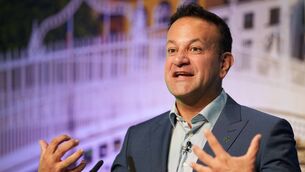
By insisting on taking back control, Britain’s political classes have lost control and are faced with the starkest of choices. These were considered by Taoiseach Leo Varadkar’s Cabinet yesterday.
Issues around medicines and transport were discussed, as was the common travel area and the preparation of Brexit legislation to be enacted before the end of March.
The details of yesterday’s knock-and-drag are in so many ways water under the bridge.
Ms May’s defeat is yet another symptom of what has become Britain’s permanent civil war between those happy in the modern world and those who, from an Irish, pro-Europe standpoint, confuse the past with the future.
That confusion is exacerbated by the slimness of the 52%-48% majority feeding this not-for-turning monster.
That vote, in a first-past-the-post world, has legitimacy but the dishonesty of the campaign that preceded it undermines that legitimacy, almost fatally and gives real weight to the argument for a second vote.
Whatever the eventual outcome of yesterday’s Punch ’n Judy, its was a terribly sad day for the wonderful European project, a day made even sadder by the probability that it was just one more toxic skirmish along a wishful journey to promised land that will inevitably disappoint.