Where are resources to protect women?
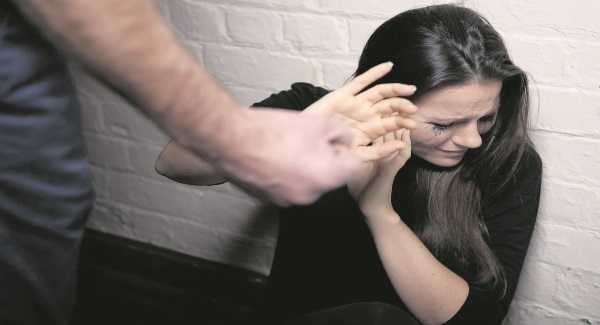
Even in a society where a man with 42 previous convictions, including one that led to a 15-year sentence for multiple rape and sexual assaults, is given a concurrent sentence for yet another rape — leading his victim to say he was given a “free rape” — there has been a profound shift in attitudes to violence against women.
This change was provoked, partially at least, by sobering statistics gathered over decades and published by Women’s Aid that show that of the 225 women murdered in Ireland since 1996, 90% were killed by a man known to them. More than half — 56% — were killed by a current or former partner. Those murder figures, almost one a month for 22 years, suggest domestic violence that is unacceptable.

CONNECT WITH US TODAY



Be the first to know the latest news and updates