Preserving rural post offices: Maybe we’re fighting the wrong fight
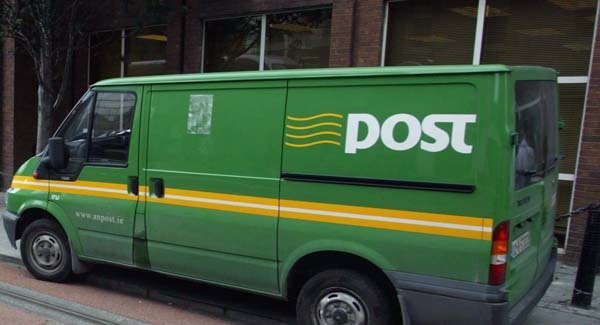
The suggestion that more than 100 rural post offices may close because of a retirement deal has rejuvenated the heartfelt protests around this issue.
These protests usually assert that a local post office is a vital part of a community, that it is an irreplaceable piece of the mosaic that a thriving, happy village or small town stands on.
It is not unusual for those opposed to closure, especially out-of-power politicians, to warn that closing a post office might be the final nail in the coffin of a once vibrant but now faltering village.
In rural areas with usable broadband, those arguments hold some water, but not because of any professional service provided by even the most dedicated postmaster.
They stand rather because some post offices can offer a warm, friendly contact point, a meeting place for people who might otherwise live isolated lives.
That argument suggests that the post offices’ value is represented by a human function rather than its administrative, postal, or social welfare obligations.
That argument holds even more water in areas awaiting real-world-ready, film-downloadable broadband.
A person living in an area with rudimentary broadband does not need to go to a post office to pay for a dog licence, to collect a pension or get an application form for a passport.
In an area served by robust broadband, it is possible, though it may not be popular, to argue that trying to preserve a post office because of its 18th-century raison d’être is a modern version of Canute’s delusions about holding back the tide.
Virtually every facet of life has had to accept that technology can outstrip tradition and make the old, familiar and comfortable ways obsolete and even folk-museum quaint.
We have, in purely commercial, bureaucratic terms, sadly reached that point with some rural post offices.
Only the absence of basic or better broadband offers a lifeline argument for their retention as commercial enterprises.
That may be an unwelcome, uncomfortable truth but it is a truth nonetheless.

But what about the very valid social, warmth-of-human-kindness, arguments behind so much of the resistance to closing rural post offices?
That argument is as powerful as it ever was but it would be dishonest not to ask if it is the function of a post office to be a kind of community hall where neighbours occasionally meet to swap gossip.
It seems reasonable too to ask if these arguments might not be overweighted and that the social element of a trip to a post office might be exaggerated.
What is certain though is that the charge of communications technology is relentless. It will not be turned.
This, in the old God’s time, may have seemed a threat but it is one of the opportunities of the age.
Rather than try to, like Canute, hold back the tide would it be better to use the energy and political capital needed to preserve rural post offices to deliver rural broadband?
There is no “if” in the question about when broadband will replace more social services but there is a “maybe”.
If we finally, belatedly, embrace broadband as a lubricant of community, as an online concourse, then rural Ireland might be an enriched, less isolating place.
As ever, change is coming and how we manage it is the only question.