Policing under pressure - Garda’s lot not a happy one
The two sides of the policing spectrum in modern Ireland are bleakly represented in reports in today’s newspaper.
On the opposite page our special correspondent Mick Clifford recounts his experience at a forum for young people run by the Rialto project in Dublin’s south inner city.
Their complaints about stop-and-search, and what were once known as “sus” laws, would sound equally as familiar in a scene from Straight Outta Compton or on the streets of south London.
Conflict between youth and authority is as old as time itself.
But in an era when “respect”, in itself an imprecise and misunderstood term in the accelerated timescales of a world connected by social media, increasingly counts on the streets there is a sense of the scale of the challenge faced by trainee officers in the Policing Dialogue feedback.
While policing depends on consent the ability to earn and sustain that depends on a shared set of values. A forum which promotes such interchange and debate should be supported.
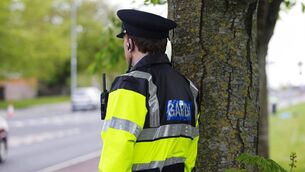
Meanwhile, the consequences of antipathy and animosity within society can be stark, as is evidenced by the survey into the wellbeing of more than 2,200 members of the Garda Representative Association with around one in five working despite showing signs of post-traumatic stress disorder.
Being a guard has never been an easy job, but there is an increasing sense that pressures and responsibilities are becoming intolerable.
It will be a major challenge for the country to introduce changes and support which will make confidence return to this fundamentally important service and ensure that it is fit for the future.
CONNECT WITH US TODAY



Be the first to know the latest news and updates