Northern Ireland after Brexit: Martin’s plan is worth considering
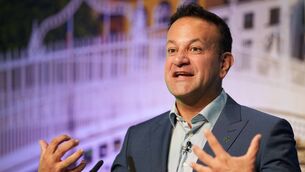
WHILE the Taoiseach has a habit of grandstanding on Brexit negotiations, irritating unnecessarily Theresa May and her government, Fianna Fáil leader Micheál Martin has advanced a more conciliatory approach towards British concerns to ensure the softest possible UK exit from the EU and the avoidance of a hard border.

WHILE the Taoiseach has a habit of grandstanding on Brexit negotiations, irritating unnecessarily Theresa May and her government, Fianna Fáil leader Micheál Martin has advanced a more conciliatory approach towards British concerns to ensure the softest possible UK exit from the EU and the avoidance of a hard border.

Leo Varadkar has repeatedly stated – loudly and tactlessly – that the Irish Government will not countenance a hard border, insisting that the ‘backstop’ arrangement agreed between the EU and UK last December guarantees that.


It doesn’t for two reasons: there is no agreement on how the backstop would actually work and little or no consideration of a mechanism to make it legally binding and enforceable. While the backstop seeks to ensure no hard border, it is more a statement of intent than anything else.

On top of that, as he and politicians in all parts of this island are aware and as the Peace Process made clear, nothing is agreed until everything is agreed.

The Taoiseach’s tough-man approach towards the UK may have won him popular support but such megaphone diplomacy is rarely either successful or worthwhile.

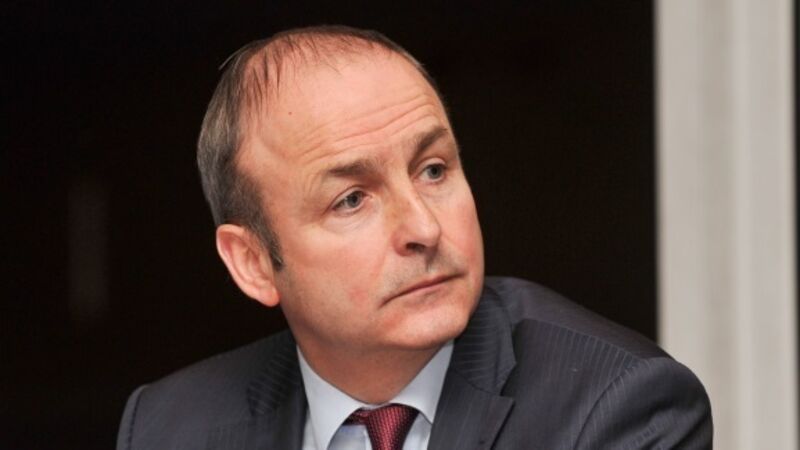
Micheal Martin’s more nuanced approach is a good alternative. While denouncing what he terms “the ridiculous and almost messianic over-spinning of the backstop last December,” he has advanced an alternative to the border issue that is worth detailed analysis.

In a speech at the Magill Summer School, Mr Martin said the best opportunity for Northern Ireland was for it to become a special economic zone.

This would allow it to benefit from the “best of both worlds”, with access to both the UK and EU markets, and that special treatment would give it a competitive advantage.

Under the plan, the zone could cover both Northern Ireland and border counties in the Republic. Such a model could be created while respecting the constitutional rights protected in the Belfast Agreement.

There are plenty of examples of such zones both within the EU itself and in areas bordering and associated with the bloc. There are 31 overseas territories of EU member states which, for historical, geographical, or political reasons, enjoy special status within or outside the union.

Livigno in Italy, the Canary Islands and parts of Germany enjoy VAT free status and are not subject to customs rules while Greenland has a peculiarly exotic relationship with the EU.

It joined the European Community in 1973 as part of Denmark, but after gaining autonomy with the introduction of home rule left in 1985. Citizens of Greenland are, nonetheless, EU citizens within the meaning of EU treaties. Norway, Iceland and Leichtenstein are in the Single Market but not the VAT area or the EU customs market.

The EU is not the monolithic union that many of its citizens assume it to be. Northern Ireland has more options than the current Brexit negotiations would suggest.

Micheál Martin’s plan is a good example of thinking outside the bloc. It should be given serious consideration.

Lunchtime News Wrap

A lunchtime summary of content highlights on the Irish Examiner website. Delivered at 1pm each day.

Sign up
Revoiced
Newsletter

Our Covid-free newsletter brings together some of the best bits from irishexaminer.com, as chosen by our editor, direct to your inbox every Monday.

Sign up