Updating constitutions: Mind your genders
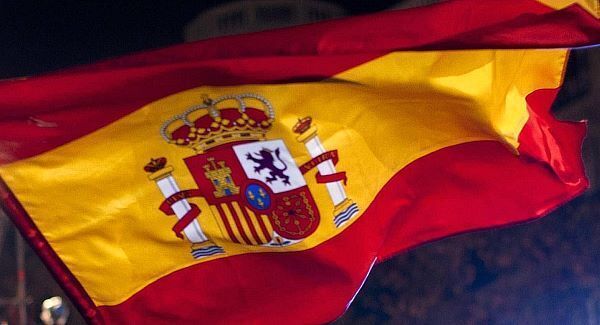
The itch to update gendered language in old constitutions has spread from Ireland to Spain.
Its deputy prime minister and equality minister, Carmen Calvo, has asked the Real Academia Española — the official arbiter of Spanish — to look at rewriting the country’s post-Franco constitution to meet the 21st-century quest for “inclusive” language, her problem being that nouns such as “ministers” and “deputies” take the male gender making, she says, women invisible.
Women invisible in Spain? We don’t think so; the cabinet appointed by country’s prime minister has 11 women and six men.
This is a problem that might perplex people in primarily English-speaking countries, which are free of nouns that have genders, and some of which have no written constitutions anyway.
It might also not be too much of a worry for women who might not be ministers but who understand that societies change regardless of archaic language and attitudes in constitutions written for another age.
As far as we know, there’s no proposal to update the second paragraph of the 1776 US declaration of independence: “We hold these truths to be self-evident, that all men are created equal, that they are endowed by their Creator with certain unalienable Rights, that among these are Life, Liberty and the pursuit of Happiness. That to secure these rights, Governments are instituted among Men …”
The men the Founding Fathers — no Founding Mothers were involved in the drafting — had in mind were in the main white Anglo-Saxon Protestants who owned land and slaves. It’s hardly inclusive language, but the idea is clear and enduring.

CONNECT WITH US TODAY



Be the first to know the latest news and updates