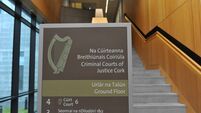
Teaching religion in schools - A small step towards our new reality
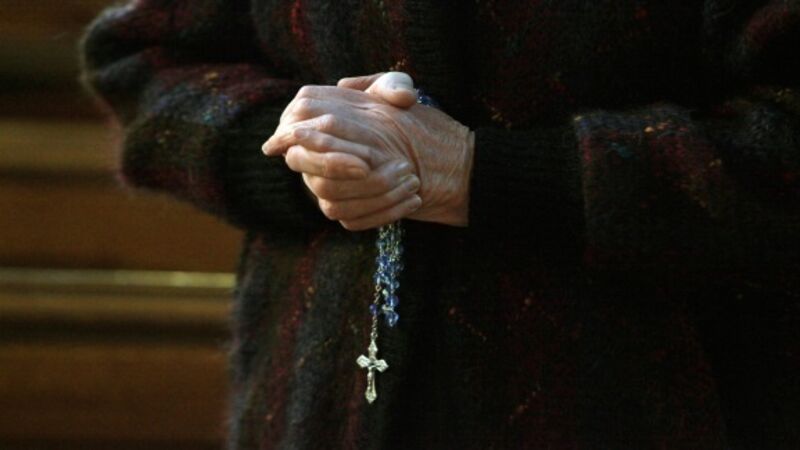
NEW rules on the place of religion in more than 300 multi- denominational second-level schools come into force this morning, but it may be autumn before class timetables can give full force to the change that will, effectively, make religion an optional subject in almost half of our secondary schools. The legislation does not have any consequences for more than 370 voluntary secondary schools operating under the aegis of religious orders. Nine comprehensive schools fall outside its remit, too.
In the schools where the legislation applies, and it is hard to understand why it does not apply in all schools as all are funded by the State, students who do not wish to take religious instruction must get an alternative class; they can no longer be told to sit silently at the back of a classroom or banished to a library. To borrow a phrase from another area of conflict, they must be offered parity of esteem rather than being cordoned off in a way that must be seen as a tacit condemnation of their position. This enforced separation not only divides classmates, it must put unnecessary pressure on relationships between children and parents too. In an increasingly diverse society — and one that will become even more so — it hardly encourages the idea of assimilation either. Failure in this area is a real threat, as many European countries have discovered to their cost.


CONNECT WITH US TODAY



Be the first to know the latest news and updates